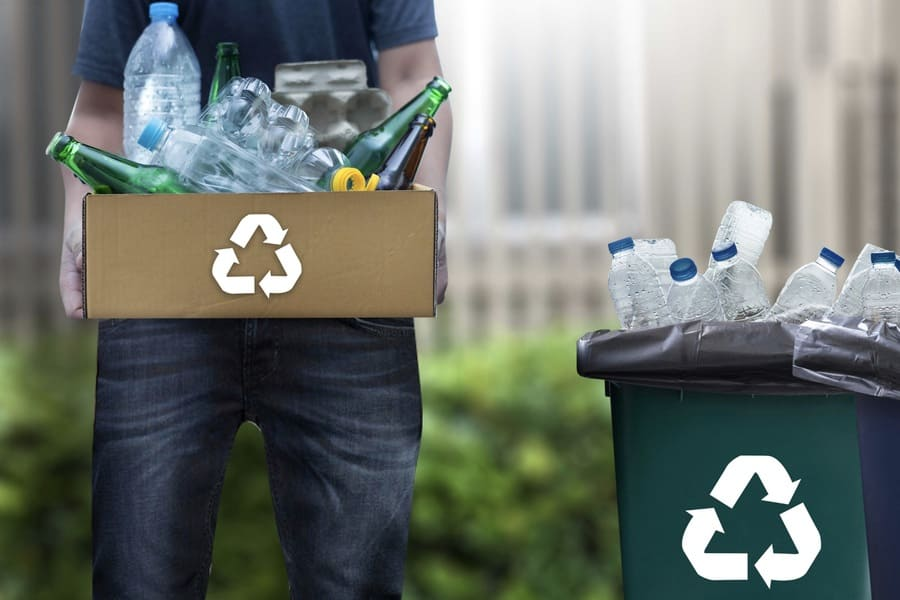
Proper waste management is essential for keeping communities healthy, safe, and environmentally sustainable. A professional garbage collection service ensures that residential, commercial, and industrial waste is collected, transported, and disposed of efficiently and responsibly. This service not only maintains cleanliness but also reduces health hazards, prevents pollution, and promotes sustainability. In this comprehensive guide, we will explore the importance of garbage collection services, their processes, challenges, and the benefits they provide.
Understanding Garbage Collection Service
A garbage collection service is a systematic approach to collecting and managing waste from various sources, including households, businesses, and industries. The service typically handles general trash, recyclables, organic materials, and hazardous waste. The main goal is to prevent the accumulation of waste, which can lead to environmental pollution, health risks, and decreased quality of life.
Modern garbage collection services often integrate sustainable practices, such as recycling, composting, and waste-to-energy initiatives. Using technology like GPS tracking, automated trucks, and real-time monitoring improves efficiency, reduces operating costs, and ensures timely collection. By adopting these strategies, communities and businesses can maintain a cleaner and safer environment.
Importance of Garbage Collection Service
The significance of a reliable garbage collection service extends beyond aesthetic cleanliness. Waste left uncollected can attract rodents, flies, and other pests that spread disease. Decomposing waste produces unpleasant odors and emits harmful gases like methane, contributing to climate change and air pollution.
For businesses, effective garbage collection ensures compliance with health and safety regulations. Proper waste management prevents fines, protects employees and customers, and supports a professional environment. Recycling and composting programs conserve natural resources and reduce the volume of waste sent to landfills, contributing to environmental sustainability.
Communities with robust garbage collection services experience improved public health, cleaner streets, and enhanced overall quality of life. Educating residents and businesses about responsible waste disposal and recycling encourages sustainable habits and strengthens the impact of waste management programs.
How Garbage Collection Services Operate
A comprehensive garbage collection service involves several critical steps to manage waste effectively. The process begins with source segregation, where residents and businesses separate recyclables, organic materials, and general waste. Proper segregation ensures efficient recycling and safe disposal of hazardous materials.
Collected waste is transported to transfer stations, recycling centers, composting facilities, or landfills. Residential services often provide curbside pickups using bins or bags, while commercial and industrial services use larger dumpsters or compactors for higher volumes of waste. Many modern services employ automated trucks with robotic arms, improving collection efficiency and worker safety.
After collection, recyclable materials are sorted and sent to processing facilities, organic waste is composted or converted into energy, and non-recyclable or hazardous waste is safely disposed of according to regulations. This organized process ensures that waste management is both environmentally responsible and compliant with local laws.
Challenges in Garbage Collection
Despite advancements, garbage collection services face multiple challenges. Population growth, urbanization, and changing consumption patterns increase the volume and complexity of waste. Managing hazardous, electronic, and industrial waste requires specialized handling and training, raising operational costs.
Improper segregation at the source complicates recycling efforts, reduces efficiency, and increases processing expenses. Traffic congestion, narrow streets, and limited accessibility can make collection difficult. Aging infrastructure and equipment maintenance also pose significant operational challenges.
Environmental regulations require proper disposal and reporting, adding administrative responsibilities. Public cooperation and awareness are essential to address these challenges effectively and ensure a smooth waste collection process.
Benefits of a Reliable Garbage Collection Service
An effective garbage collection service provides numerous advantages for communities, businesses, and the environment. Prompt waste removal protects public health, reduces the risk of disease transmission, and prevents pest infestations. Clean streets, parks, and commercial areas enhance the overall quality of life for residents, employees, and visitors.
Environmentally, these services promote recycling, reduce landfill use, and minimize greenhouse gas emissions. Diverting organic and recyclable materials from landfills conserves resources and supports sustainable practices. Businesses benefit by maintaining compliance, reducing operational disruptions, and protecting their brand reputation.
Economically, efficient garbage collection reduces cleanup costs, prevents property damage, and creates employment opportunities in waste management, recycling, and related industries. Communities with reliable services experience improved urban aesthetics and better public health outcomes, which contribute to overall social and economic well-being.
Integration of Technology in Garbage Collection
Technology plays a key role in modern garbage collection services. Automated trucks reduce manual handling, improve collection speed, and minimize worker injuries. GPS tracking allows optimized collection routes, reducing fuel consumption and service delays. Smart bins with sensors monitor fill levels and notify service providers when pickup is required, preventing overflow and maintaining cleanliness.
Data analytics and monitoring software enable providers to track waste generation patterns, plan efficient schedules, and identify opportunities for waste reduction. Mobile applications allow residents and businesses to schedule pickups, report missed collections, and access recycling information, increasing engagement and compliance.
Strategies for Effective Waste Management
A successful garbage collection service is complemented by waste reduction strategies. Encouraging residents and businesses to minimize single-use items, adopt reusable products, and reduce packaging significantly decreases waste volumes. Recycling programs allow materials such as plastics, paper, metals, and glass to be reused or converted into new products, while composting organic waste enriches soil and reduces landfill use.
Education and awareness campaigns foster responsible behavior and community participation. Collaborative efforts between service providers, governments, and residents ensure that waste collection is efficient, sustainable, and environmentally friendly. Regular audits and monitoring help optimize operations and identify areas for improvement.
Environmental and Social Impact
Efficient garbage collection has significant environmental and social benefits. Proper waste handling reduces greenhouse gas emissions, prevents soil and water contamination, and conserves natural resources. Recycling and composting help reduce landfill dependency and promote sustainability.
Socially, a reliable garbage collection service contributes to public health, safety, and quality of life. Clean communities improve mental and physical well-being and foster pride among residents. Businesses benefit from a safer, cleaner environment, which positively impacts employees and customers alike.
Conclusion
A professional and efficient garbage collection service is essential for clean, safe, and sustainable communities. From residential areas to commercial and industrial facilities, these services protect public health, reduce environmental impact, and promote responsible waste management practices.
By integrating technology, promoting recycling and composting, and encouraging public awareness, garbage collection services ensure that waste is managed efficiently and sustainably. Investing in reliable garbage collection systems benefits everyone by creating cleaner, healthier, and more resilient communities.
The importance of a garbage collection service extends beyond aesthetics, encompassing environmental stewardship, public health, and economic efficiency. A well-maintained waste management system ensures a safer and more sustainable future for residents, businesses, and the environment alike.