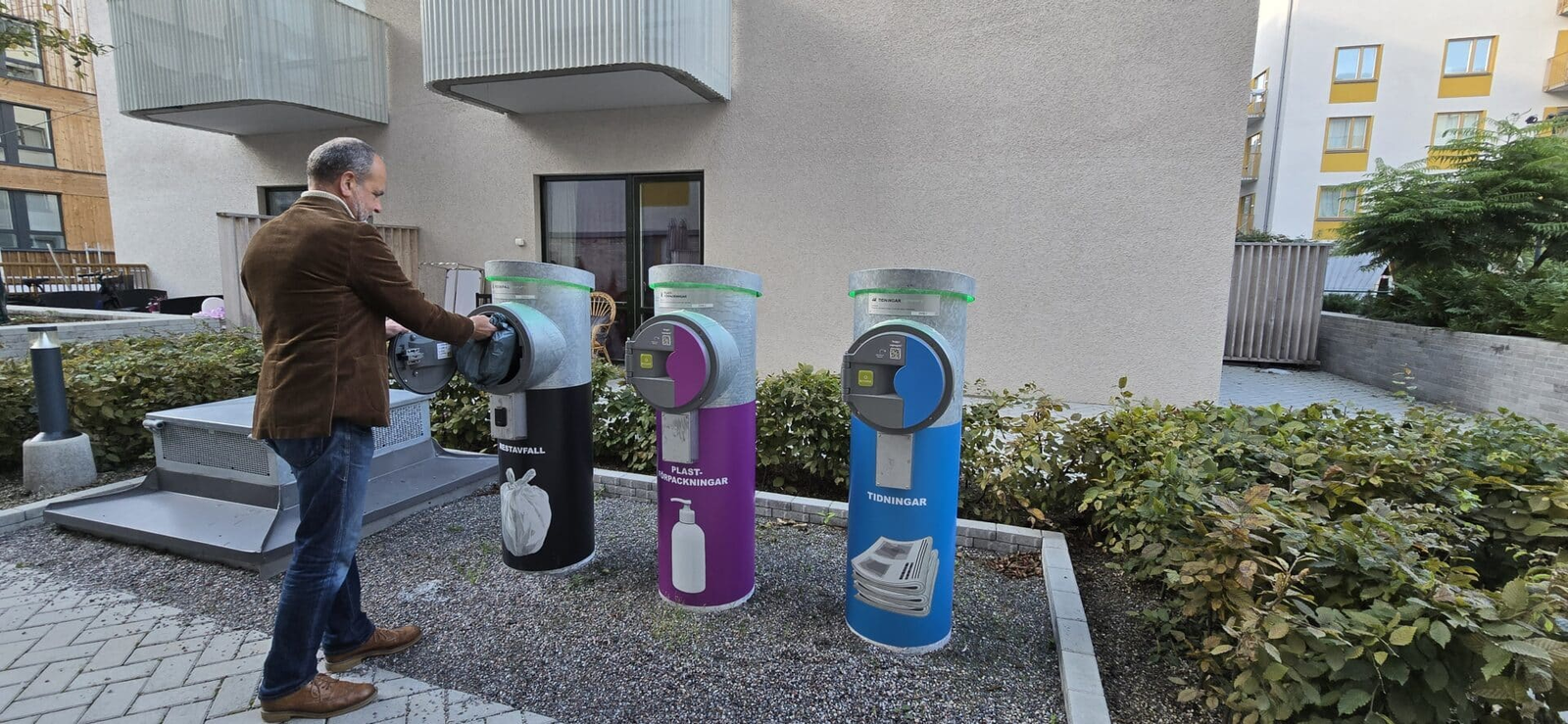
Effective waste management is a foundational element of successful residential, commercial, and industrial projects. Whether the work involves remodeling a home, clearing out a property, managing a construction site, or overseeing a large renovation, waste accumulation is unavoidable. Without a structured plan in place, debris can quickly disrupt workflows, compromise safety, inflate costs, and negatively affect overall project outcomes.
This in-depth guide explores how professional waste solutions support efficiency, safety, sustainability, and long-term planning. It also explains why choosing the right waste strategy is essential for keeping projects organized and on schedule while meeting modern environmental and operational standards.
The Role of Waste Management in Modern Projects
Waste management is no longer just about removing trash when it becomes inconvenient. Today, it is a strategic process that directly affects productivity, compliance, and project timelines. As projects grow more complex and regulations become stricter, having a reliable waste plan in place has become a necessity rather than an option.
Poorly managed waste can lead to cluttered workspaces, limited mobility, and increased risk of accidents. Materials scattered across a site slow progress and make it difficult for workers to access tools and equipment efficiently. Over time, these issues can cause delays and raise labor costs. A structured approach ensures that waste is handled consistently, keeping sites clean and functional from start to finish.
How Organized Waste Handling Improves Efficiency
Efficiency is closely tied to organization. When waste is managed properly, teams can focus on productive tasks instead of dealing with debris. Clear work areas allow for smoother movement, better coordination, and fewer interruptions throughout the day.
Predictable waste removal schedules also help with planning. Project managers can align tasks with disposal timelines, reducing downtime and preventing bottlenecks. This level of coordination is especially important for projects involving multiple teams or phases, where timing and space management are critical.
Integrating Dumpster rentals into a project workflow creates a dependable system for handling debris. With designated containers available on-site, waste disposal becomes part of the daily routine rather than a recurring challenge.
Understanding Common Types of Project Waste
Different projects generate different kinds of waste, and understanding these materials is essential for effective disposal. Early stages often involve heavier debris such as soil, concrete, or masonry. As work progresses, wood scraps, metal offcuts, and packaging materials become more common.
Interior and finishing phases produce drywall, insulation, flooring remnants, fixtures, and outdated components. Cleanout and renovation projects may also involve mixed materials, including furniture and appliances. Each category has its own handling requirements, and some materials may be recyclable or restricted.
Identifying waste streams early helps prevent improper disposal and supports better planning. It also makes it easier to incorporate recycling efforts, which can reduce overall waste volume and environmental impact.
Choosing the Right Container Size and Setup
Selecting the appropriate container size is a key decision that influences both cost and convenience. Containers that are too small may fill up quickly, requiring frequent service and potentially slowing progress. Containers that are too large can occupy valuable space and increase expenses unnecessarily.
The right choice depends on several factors, including project duration, estimated waste volume, and material type. Short-term projects with limited debris may require smaller solutions, while long-term or high-volume projects benefit from larger capacity options.
Careful assessment and planning help strike the right balance. Experienced waste professionals can provide guidance to ensure the setup aligns with project needs and avoids common mistakes.
Cost Management and Budget Control
Waste management costs can have a significant impact on overall project budgets. Rental fees, transportation charges, disposal costs, and potential overage penalties all contribute to total expenses. Without proper planning, these costs can quickly escalate.
A structured waste strategy helps control spending by aligning services with actual needs. Efficient scheduling prevents containers from sitting idle or overflowing, both of which can result in unnecessary charges. Clear guidelines on acceptable materials also reduce the risk of penalties.
Recycling plays an important role in cost efficiency. Separating recyclable materials can lower disposal fees and reduce the amount of waste sent to landfills. Over time, these savings contribute to a more cost-effective operation.
Safety Advantages of a Clean and Organized Site
Safety is a top priority on any project involving physical labor and heavy materials. Debris scattered across work areas increases the risk of trips, falls, and injuries. Sharp objects, unstable piles, and blocked pathways create hazards that can lead to costly accidents.
Organized waste handling minimizes these risks by keeping debris contained and workspaces clear. Workers can move freely and focus on their tasks without navigating cluttered environments. A clean site also makes it easier to identify potential safety issues before they escalate.
Improved safety leads to fewer injuries, reduced downtime, and lower insurance costs. It also boosts worker morale, creating a more productive and positive work environment.
Environmental Responsibility and Sustainable Practices
Sustainability has become a central concern in modern project planning. Responsible waste management supports environmental goals by reducing landfill use, conserving natural resources, and minimizing pollution.
Recycling materials such as metal, wood, and concrete extends their life cycle and reduces the demand for new raw materials. Proper disposal of hazardous substances prevents contamination of soil and water, protecting ecosystems and public health.
Many clients and stakeholders value environmentally conscious practices. Demonstrating a commitment to sustainability through effective waste handling can enhance credibility and strengthen long-term relationships.
Compliance and Risk Reduction
Waste disposal is subject to various regulations designed to protect health and the environment. Failure to comply with these rules can result in fines, project delays, and reputational damage.
A well-organized waste plan ensures that materials are handled and disposed of correctly. This includes proper separation of recyclables, safe handling of restricted items, and adherence to disposal guidelines. Clear procedures reduce uncertainty and help maintain consistent standards throughout the project.
Integrating waste management into early planning stages makes compliance easier to achieve and sustain, reducing risk and administrative burden.
Flexibility for Different Project Requirements
Every project is unique, and waste generation patterns can change over time. Residential renovations, commercial upgrades, and large-scale developments all require different approaches to waste handling.
A flexible strategy allows adjustments to container size, quantity, or service frequency as needs evolve. This adaptability is especially valuable for long-term or multi-phase projects where waste volume may fluctuate.
Using Dumpster rentals as part of a flexible waste solution allows managers to respond to changing conditions without disrupting progress. This responsiveness helps maintain efficiency from beginning to end.
Productivity Gains Through Better Organization
Productivity improves significantly when workspaces are clean and organized. Workers spend less time managing debris and more time completing tasks. Clear areas also improve accuracy and reduce errors caused by disorganization.
Better waste planning improves coordination between teams. When everyone understands how waste is handled, transitions between project phases are smoother, and miscommunication is reduced. These efficiencies contribute to faster completion times and improved overall performance.
Over the life of a project, these productivity gains can translate into meaningful cost savings and higher-quality results.
The Value of Professional Waste Services
Professional waste service providers bring experience and industry knowledge that simplify project logistics. They understand disposal regulations, material handling requirements, and best practices for efficient waste removal.
Their reliability ensures that containers are delivered, serviced, and removed on schedule. This consistency allows project managers to focus on core responsibilities rather than logistical challenges.
Professional services also provide access to recycling programs and specialized disposal options that support sustainability goals while maintaining operational efficiency.
Long-Term Benefits Beyond Individual Projects
Effective waste management delivers benefits that extend well beyond a single project. Clean, organized sites reflect professionalism and attention to detail, leaving a positive impression on clients and stakeholders.
Consistent practices build trust and credibility over time. Companies that prioritize safety, organization, and environmental responsibility are more likely to secure repeat business and referrals.
Incorporating Dumpster rentals into standard operating procedures helps establish consistency across projects, supporting long-term growth and continuous improvement.Conclusion
Waste management is a critical component of successful project execution. From improving safety and productivity to supporting sustainability and regulatory compliance, organized debris handling provides measurable advantages. By planning ahead, selecting appropriate solutions, and working with experienced providers offering reliable dumpster rentals, project teams can transform waste management into a strategic asset. A clean, organized environment not only supports efficient operations but also lays the foundation for high-quality results and long-term success. When handled thoughtfully, waste becomes less of a burden and more of an opportunity to build smarter, safer, and more efficiently.