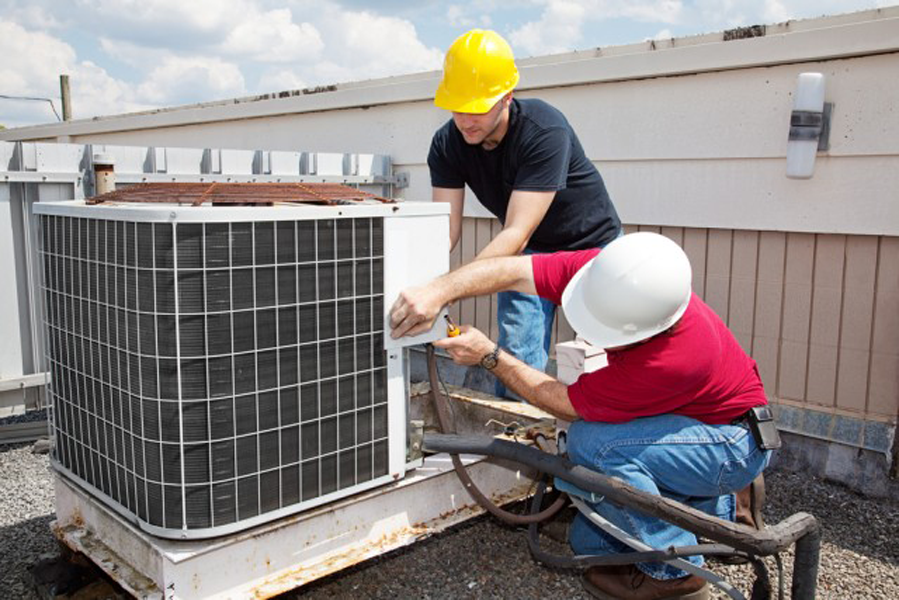
Seasonal transitions can place quiet but persistent stress on a home’s heating and cooling system. As temperatures move from cold to mild or warm to cool, indoor comfort often becomes unpredictable. Rooms that felt balanced weeks earlier may suddenly feel stuffy, drafty, or uneven. HVAC contractors help homes adapt to these changes by focusing on how systems respond to changing outdoor conditions rather than reacting only when discomfort occurs. Their work ensures that heating and cooling systems transition smoothly between seasons, maintaining comfort without overcorrection. Understanding this role shows how seasonal readiness supports consistent living conditions and reduces long-term strain on HVAC equipment.
Preparing Homes for Seasonal Change
- Evaluating System Readiness Before Weather Shifts
Before seasonal changes fully arrive, HVAC contractors evaluate how systems are prepared to respond. This evaluation assesses how quickly the system switches between heating and cooling modes and whether the controls respond accurately to moderate temperature swings. Contractors look for signs of delayed response, uneven airflow, or lingering settings from the previous season. In many service calls supported by Trust 1 Services Plumbing, Heating, and Air Conditioning, early evaluations reveal that minor adjustments prevent larger comfort issues later. This readiness check helps systems adapt gradually rather than react abruptly when temperatures fluctuate from day to night.
- Airflow Adjustments for Transitional Conditions
Airflow needs to change significantly during seasonal transitions. Mild outdoor temperatures can reduce system runtime, making airflow balance more noticeable. HVAC contractors adjust dampers, registers, and fan settings to ensure air circulates evenly, even when systems run less frequently. Poor airflow during these periods can cause rooms to feel stagnant or unevenly conditioned. By fine-tuning circulation, contractors help maintain consistent indoor conditions without relying on extended system operation. These adjustments are particularly important during spring and fall, when systems may cycle differently than during extreme weather.
- Humidity Management During Seasonal Shifts
Humidity often changes before temperature extremes arrive, affecting comfort during transitions. HVAC contractors assess how moisture levels change with the seasons, noting whether the air feels damp or overly dry. Transitional weather can confuse systems that were previously set for summer dehumidification or winter dryness. Contractors adjust settings to support balanced moisture removal or retention, helping homes remain comfortable even in moderate temperatures. Proper humidity management reduces discomfort and prevents issues such as condensation or dryness that often appear during seasonal overlap.
- Thermostat Calibration and Control Behavior
Thermostats play a central role during seasonal transitions, guiding how systems respond to fluctuating conditions. HVAC contractors verify calibration to ensure temperature readings accurately reflect indoor conditions. Transitional weather can expose inaccuracies that were unnoticed during steady seasons. Contractors also review programming to prevent systems from switching between heating and cooling unnecessarily. Proper control behavior helps maintain stable indoor temperatures without frequent cycling, enabling systems to respond proportionally as outdoor conditions change.
- Inspecting Insulation and Air Sealing Effects
Seasonal transitions often highlight weaknesses in insulation and air sealing. Mild temperatures can make drafts more noticeable as systems run less often. HVAC contractors evaluate how insulation and sealing affect indoor comfort during these periods. Air leaks that were masked during extreme heating or cooling become apparent, contributing to uneven temperatures. Contractors identify these influences and recommend adjustments that support smoother transitions. Addressing these factors helps systems maintain comfort without compensating for structural inefficiencies.
- Equipment Response Under Reduced Demand
During transitional seasons, HVAC equipment operates under lighter loads. HVAC contractors observe how systems perform during low-demand periods, noting whether components cycle smoothly or struggle to maintain stability. This behavior can indicate oversizing or control mismatches that affect comfort. Contractors adjust timing and operation to support steady performance even when systems run intermittently. These refinements ensure that equipment remains responsive and efficient throughout changing conditions.
- Preventing Seasonal Wear and Stress
Abrupt seasonal changes can strain HVAC components if systems are not properly adjusted. HVAC contractors help prevent wear by ensuring smooth transitions between modes and reducing unnecessary cycling. This approach protects components from repeated start-and-stop cycles that shorten their lifespan. By managing how systems adapt, contractors support reliability and reduce the likelihood of breakdowns during peak seasons. Preventive adjustments during transitions help systems enter demanding periods in stable condition.
- Adapting Comfort to Daily Temperature Swings
Seasonal transitions often bring wide temperature swings within a single day. HVAC contractors consider how systems respond to these changes, ensuring comfort remains consistent from morning to evening. Adjustments to airflow and controls enable systems to adapt without causing significant indoor temperature fluctuations. This adaptability improves comfort during unpredictable weather and reduces reliance on constant thermostat changes by occupants.
Smoother Transitions Through Thoughtful Adjustment
Seasonal transitions challenge HVAC systems in subtle but important ways. HVAC contractors help homes adjust by preparing systems in advance, balancing airflow, managing humidity, and refining controls. Their work focuses on gradual adaptation rather than reactive correction, keeping indoor comfort stable as outdoor conditions change. Understanding this process highlights why seasonal readiness matters beyond extreme weather. When systems are guided through transitions thoughtfully, they perform more reliably, maintain comfort more consistently, and experience less long-term stress.