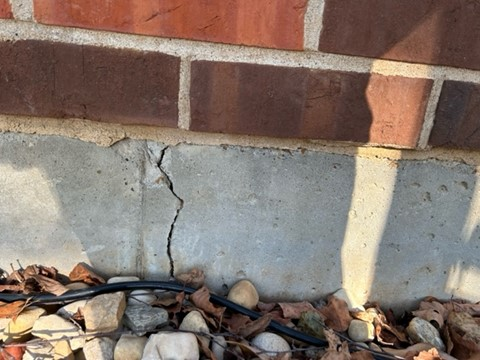
Introduction to Foundation Integrity
The foundation of a building is responsible for supporting its entire structure, making it one of the most critical components of any property. When a foundation is compromised, the effects can extend far beyond the basement or crawl space. One of the most common and concerning foundation issues homeowners face is cracked foundations. These cracks may start small and appear harmless, but over time they can evolve into serious structural problems if not properly addressed.
Foundation cracks are not limited to older buildings. Even newer structures can experience cracking due to soil movement, moisture changes, or construction-related factors. Understanding why these cracks occur and how they impact a building is essential for protecting both the property and the people who live in it.
What Causes Foundation Cracks
Foundation cracks develop for a variety of reasons, many of which are related to environmental and structural stress. One major cause is soil movement. When soil expands and contracts due to changes in moisture levels, it places pressure on foundation walls. Over time, this pressure can cause the concrete to crack.
Another common cause is water accumulation around the foundation. Poor drainage allows water to collect near the base of a structure, increasing hydrostatic pressure against the foundation walls. This pressure can force moisture through tiny openings and gradually widen existing cracks.
Construction factors can also contribute to foundation cracking. Improper curing of concrete, inadequate reinforcement, or uneven settling during the early life of a building can all result in structural weaknesses. These weaknesses may not be immediately visible but can become more pronounced as the building ages.
Types of Foundation Cracks and Their Significance
Not all foundation cracks are the same, and understanding their characteristics can provide insight into their severity. Vertical cracks are often caused by natural settling and may be less serious if they remain narrow and stable. However, even these cracks can allow water infiltration if left untreated.
Horizontal cracks are generally more concerning. They often indicate significant pressure from surrounding soil or water buildup and may suggest structural instability. Diagonal cracks can form due to uneven settling and may worsen over time if the underlying cause is not addressed.
Regardless of the type, cracked foundations should never be ignored. Even minor cracks can serve as entry points for water, pests, and cold air, leading to additional problems that affect both the structure and indoor environment.
The Relationship Between Foundation Cracks and Moisture
Moisture plays a critical role in the development and progression of foundation cracks. Once a crack forms, water can easily enter the foundation through it. This moisture not only worsens the crack by weakening the surrounding concrete but also introduces humidity into the basement or lower levels of the building.
Over time, repeated moisture exposure can lead to mold growth, material deterioration, and corrosion of metal components. This cycle of damage can accelerate quickly, turning a manageable crack into a major structural concern. This is why addressing moisture control alongside crack repair is essential for long-term protection.
In many cases, homeowners turn to basement waterproofing services to manage moisture intrusion while also preventing further foundation deterioration. This combined approach helps ensure that cracks are not only sealed but also protected from future water-related stress.
Structural and Safety Risks of Cracked Foundations
The most serious consequence of foundation cracking is structural instability. As cracks expand, they can compromise the foundation’s ability to evenly support the building. This may lead to uneven floors, sticking doors and windows, and visible wall separation inside the home.
In extreme cases, foundation failure can pose safety risks to occupants. Walls may bow or shift, increasing the likelihood of sudden structural damage. While such outcomes are rare, they underscore the importance of early detection and timely intervention.
Beyond structural concerns, cracked foundations can also reduce a building’s resistance to environmental forces. Water intrusion during heavy rainfall or seasonal changes can exacerbate existing cracks, making the structure more vulnerable over time.
Impact on Property Value and Marketability
Foundation issues are among the most significant concerns for potential buyers. Even the appearance of foundation cracks can raise red flags during inspections, often leading to reduced offers or demands for costly repairs before a sale can proceed.
Properties with unresolved foundation problems may sit on the market longer and attract fewer interested buyers. On the other hand, documented repairs and preventive measures demonstrate responsible ownership and can help preserve or even enhance property value.
By addressing cracked foundations proactively and incorporating moisture control solutions, homeowners can protect their investment and maintain confidence in their property’s long-term stability.
Repair Methods for Foundation Cracks
Foundation crack repair methods vary depending on the size, type, and cause of the crack. Small, non-structural cracks are often repaired using specialized sealants or epoxy injections. These materials bond with the concrete, restoring strength and preventing water penetration.
For more severe cracks, structural reinforcement may be necessary. This can involve installing carbon fiber straps, steel braces, or other support systems designed to stabilize foundation walls. These solutions help prevent further movement while restoring the foundation’s load-bearing capacity.
In many situations, repair efforts are most effective when combined with basement waterproofing services. By managing water around the foundation, these services reduce the pressure that often leads to cracking in the first place.
Preventing Future Foundation Damage
Prevention is one of the most effective strategies for managing foundation health. Proper drainage plays a key role in reducing water accumulation near the foundation. Ensuring that water is directed away from the structure helps minimize hydrostatic pressure and soil movement.
Maintaining consistent moisture levels in the surrounding soil is also important. Extreme fluctuations between dry and saturated conditions can cause soil expansion and contraction, increasing stress on the foundation. Regular inspections allow homeowners to identify early warning signs before cracks become severe.
Preventive measures often include sealing vulnerable areas and reinforcing moisture barriers. Many homeowners rely on basement waterproofing services as part of a comprehensive prevention plan, ensuring long-term protection against both water intrusion and structural damage.
Long-Term Benefits of Professional Intervention
Addressing foundation cracks with professional solutions provides lasting benefits that go beyond immediate repairs. High-quality materials and proven techniques ensure that repairs remain effective for years, reducing the likelihood of recurring problems.
Professional intervention also offers peace of mind. Knowing that cracked foundations have been properly evaluated and repaired allows homeowners to focus on other aspects of property maintenance without constant concern about structural integrity.
When moisture control systems are integrated with crack repair, the foundation is better equipped to withstand environmental stress. This holistic approach supports the overall durability of the building and contributes to a healthier indoor environment.
Foundation Health and Indoor Living Conditions
Foundation issues often extend their impact into living spaces. Cracks that allow moisture entry can increase indoor humidity levels, making lower levels uncomfortable and prone to musty odors. Over time, this environment can affect air quality throughout the building.
By repairing cracks and implementing moisture control measures, homeowners can create a more stable and comfortable indoor climate. Dry basements are easier to maintain, safer for storage, and more suitable for future renovations or living space conversions.
This is another reason why addressing cracked foundations early, along with appropriate waterproofing solutions, is essential for preserving both structural integrity and daily comfort.
Conclusion
Foundation cracks are more than cosmetic imperfections. They are indicators of underlying stress that can affect the safety, value, and longevity of a building. Cracked foundations develop due to soil movement, moisture pressure, and construction-related factors, and they tend to worsen when ignored.
Through timely repair, moisture management, and preventive strategies, homeowners can significantly reduce the risks associated with foundation damage. Solutions that combine structural repair with basement waterproofing services offer comprehensive protection and long-term reliability.
Ultimately, understanding the causes and consequences of cracked foundations empowers property owners to take informed action. By investing in proper repairs and ongoing maintenance, they safeguard their homes, protect their investment, and ensure a stable and secure environment for years to come.