Post Preview
Table of Contents
- Introduction
- Site Speed and Performance
- Mobile-First Indexing
- Secure HTTPS Protocol
- Structured Data Markup
- Crawlability and Indexability
- Core Web Vitals
- Internal Linking and Site Structure
- Conclusion
In today’s online landscape, every second counts, and website visibility is more crucial than ever. Optimizing your site goes beyond just keywords and content—strong technical SEO ensures search engines can discover, crawl, and rank your site efficiently. Consulting a technical SEO expert is often the fastest way for businesses to resolve underlying issues that may be holding them back in search results.
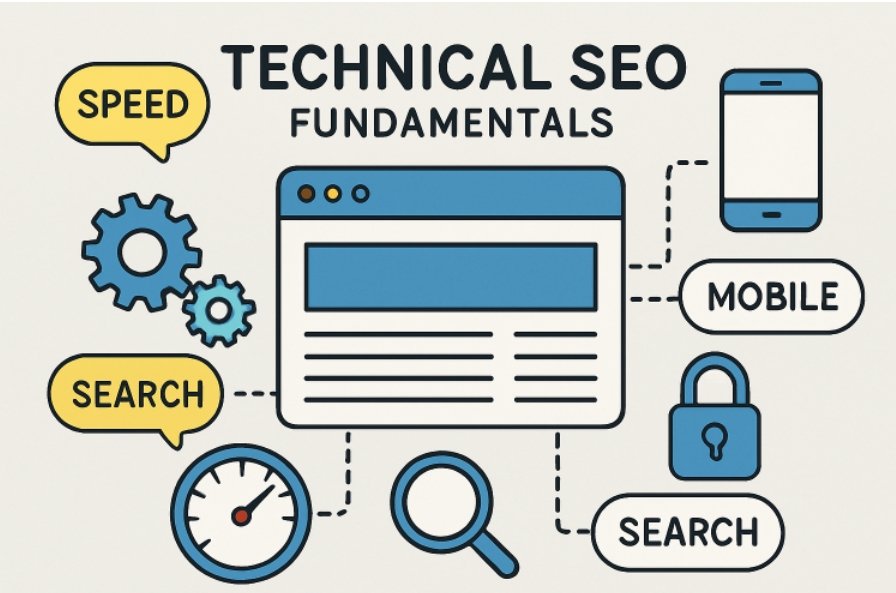
A dedicated technical SEO strategy covers essential elements such as performance, mobile responsiveness, security, and structured data; all of which are foundational to achieving and maintaining strong rankings. By proactively addressing these factors, you not only enhance your site’s search performance but also deliver a more reliable and enjoyable user experience that keeps visitors coming back.
Modern users won’t wait for slow, insecure, or confusing websites. In fact, Google places significant weight on technical aspects when ranking sites. As these algorithms become more sophisticated, mastering technical SEO has become mission-critical for webmasters, developers, and business owners alike.
Whether running a small blog or a complex e-commerce store, consistent technical SEO improvements can lead to significant gains in both traffic and conversions. In this comprehensive guide, you’ll unlock actionable steps for optimizing your website’s infrastructure and future-proofing your digital presence.
Site Speed and Performance
Page speed is a vital ranking factor and directly affects the user’s perception of your brand. Google research shows that as page load time increases from one to five seconds, the probability of a visitor bouncing increases by 90%. To enhance your site’s performance:
- Compress images using next-gen formats like WebP to reduce their file size without sacrificing quality.
- Minify CSS, JavaScript, and HTML files to remove unnecessary code and enhance page loading speed.
- Leverage browser caching so returning visitors experience even faster load times.
- Implement lazy loading for visual content, ensuring that images and videos only load when they are in view.
These practices not only deliver a smoother experience to users but may also yield higher search rankings.
Mobile-First Indexing
With over half of all web traffic originating from mobile devices, Google now primarily uses the mobile version of a site for indexing and ranking. Ensuring a seamless experience across all screens is a must:
- Adopt a responsive design that allows the content to adapt automatically to any device.
- Evaluate mobile usability with Google’s Mobile-Friendly Test.
- Optimize mobile page speed, as sluggish pages increase abandonment rates on smartphones and tablets.
Sites ignoring mobile-first best practices risk lower rankings and fewer conversions from an ever-growing mobile audience.
Secure HTTPS Protocol
Security signals trust to both users and search engines. Google now marks HTTP pages as “Not Secure,” potentially driving visitors away and impacting your reputation. To implement HTTPS:
- Install an SSL certificate from a reputable certificate authority (CA).
- Use 301 redirects to ensure all traffic uses secure HTTPS instead of HTTP.
- Eliminate mixed content (serving some resources over HTTP) to ensure full encryption.
Adopting HTTPS not only protects sensitive user data but also gives your site a small rankings boost, as confirmed by Search Engine Land. HTTPS also enables modern web features such as HTTP/2, which can improve page load speeds and overall performance. It reassures users that their personal information, logins, and transactions are protected from interception and unauthorized access. Over time, a secure browsing experience strengthens brand credibility and encourages higher engagement and conversions.
Structured Data Markup
Structured data helps search engines better interpret your website’s content, potentially earning your site rich snippets, which boost visibility and click-through. Use schema.org markup for key content types:
- Articles and blog posts
- Products and services
- FAQs for direct answers in SERPs
- Events for enhanced local and calendar visibility
Test and validate your structured data using Google’s Rich Results Test tool to catch and resolve any errors.
Crawlability and Indexability
If bots can’t find or understand your content, it won’t rank. Ensuring your website is crawlable and indexable requires:
- Submitting accurate XML sitemaps to Google Search Console and Bing Webmaster Tools.
- Regularly reviewing and updating your robots.txt file to avoid accidental blockages.
- Fixing crawl errors, dead links, and unnecessary redirects that can waste crawl budget.
- Implementing canonical tags to consolidate duplicate content and channel link equity to priority pages.
An efficient crawling and indexing process is essential for new pages and updates to surface quickly in search results.
Core Web Vitals
Google’s Core Web Vitals focus on real-world user experience metrics:
- Largest Contentful Paint (LCP): Measures how quickly main content loads (aim for under 2.5 seconds).
- First Input Delay (FID): Reflects the speed of interactivity (target less than 100ms).
- Cumulative Layout Shift (CLS): Captures visual stability (keep shifts below 0.1).
Poor scores may lead to diminished rankings. Regularly monitor and address these through platforms like Google Search Console and PageSpeed Insights for sustainable success.
Internal Linking and Site Structure
An organized site hierarchy allows search engines to easily access and interpret every page, distributing authority across your site. Recommended best practices include:
- Use descriptive anchor text for internal links to clarify each page’s topic.
- Build a flat site architecture—avoid placing valuable pages deep within your structure.
- Ensure your most important content is accessible within three clicks from your homepage.
Strong internal linking improves crawl efficiency, boosts page authority, and enhances user navigation for better engagement.
Conclusion
Technical SEO is the foundation on which all digital marketing success is built. By prioritizing site speed, mobile usability, security, structured data, crawlability, Core Web Vitals, and effective internal linking, you build a future-proof website that satisfies both users and search engines. Focusing on these technical fundamentals not only lifts your site’s rankings but also delivers a frictionless, engaging experience for your audience.