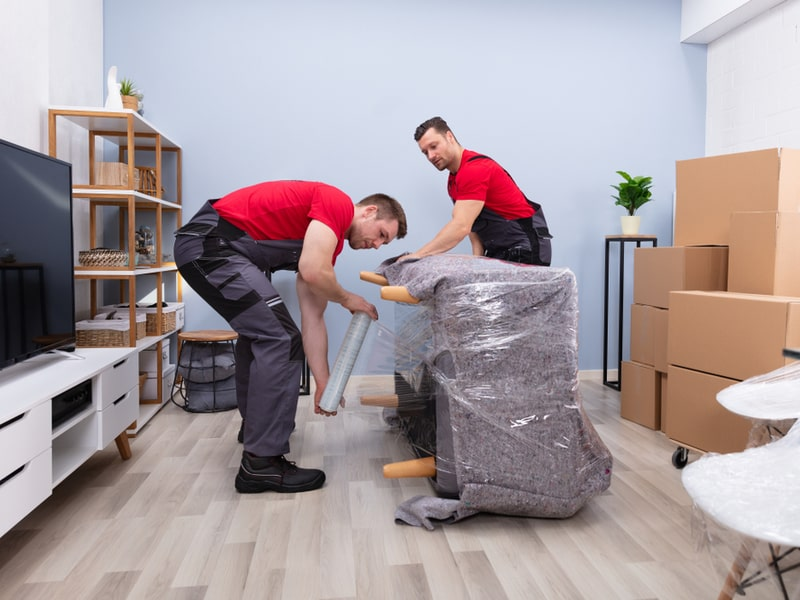
Furniture moving looks simple until you try to shift a sectional through a narrow hallway, carry a solid-wood dresser down a tight staircase, or transport a fragile glass table without a single scratch. Most damage during a move happens in the small moments: a corner clips a door frame, a drawer slides open, a leg snaps under uneven weight, or a sofa scrapes along a wall. Professional furniture movers reduce these risks by planning the route, using protective materials, and handling bulky items with coordinated technique. They also bring the right tools—dollies, straps, blankets, and floor protection—so the home stays intact and the furniture arrives in the same condition it left. For homeowners, renters, and businesses, hiring movers is often about preventing repairs, stress, and surprise costs.
Why Furniture Moving Is More Than Heavy Lifting
- How Movers Plan a Safe Route Before Anything Moves
A professional move usually begins with preparation, not lifting. Movers assess furniture, measure tight areas, and identify obstacles such as sharp turns, low ceilings, narrow doorways, and fragile railings. They decide which items should be disassembled, which should stay intact, and what order makes sense so heavy pieces do not block access to everything else. This planning step matters because it reduces rushed decisions that lead to damage. Movers also protect the route inside the home by laying floor runners, using corner guards, and wrapping door frames when needed. They identify surfaces that scratch easily, such as hardwood, laminate, and painted walls, and adjust handling technique accordingly. Even in short-distance moves, route planning can be the difference between a smooth job and a series of minor accidents that turn into expensive repairs after the truck is gone.
- Packing, Wrapping, and Disassembly for Real Protection
Furniture movers focus on protection because many items are not built to handle shifting forces during transport. They wrap pieces with moving blankets, stretch wrap, and padding to prevent scuffs, dents, and fabric snags. Drawers may be removed or secured to keep the weight manageable and stop them from sliding open during carrying. For bed frames, tables, and shelving, disassembly is often the safest route, especially when doorways are tight or stairs are steep. Hardware is typically bagged and labeled so reassembly is fast and correct at the destination. When homeowners want a reliable reference point for professional standards and service options, they often start by checking https://www.atlantafurnituremovers.com/ for guidance on what a full-service furniture move should include. Proper packing and disassembly reduce damage, speed up loading, and help movers more safely control weight distribution.
- Carrying Techniques That Prevent Injuries and Furniture Damage
Handling furniture is about balance, coordination, and controlled movement, not raw strength. Professional movers use team communication to lift and pivot together, keeping weight centered and avoiding sudden shifts that can crack wood joints or bend metal frames. They use lifting straps to distribute the load and reduce strain on backs and shoulders, which also improves stability while moving bulky items through tight spaces. Dollies and hand trucks are used for heavy pieces when the route allows, and movers carefully manage transitions over thresholds, stairs, and uneven surfaces. They also understand “weak points” in furniture construction, such as decorative legs, thin rails, and older joints that may fail if lifted incorrectly. Instead of grabbing by arms or trim that can snap, they lift from stronger structural areas. These techniques protect both the crew and the furniture, reducing the chance of accidents that can derail a moving day.
- Loading and Securing Furniture Inside the Truck
What happens inside the truck matters as much as what happens in the home. A common reason furniture arrives damaged is shifting during transit, especially on bumpy roads or during sudden stops. Movers load strategically, placing heavier items low and distributing weight to keep the truck stable. They use straps to secure pieces to the truck’s anchor points and prevent movement, and they create protective barriers with blankets between items that could rub or collide. Sofas, mattresses, and upholstered items are positioned to avoid pressure points that can crush cushions or tear fabric. Fragile pieces like glass-top tables and mirrors are padded heavily and often placed upright in safe zones where they will not be compressed. Good loading is a skill because it blends safety, speed, and protection. A carefully packed truck reduces unloading time and prevents the kind of damage that only becomes visible after everything is set in place.
- Special Challenges: Stairs, Tight Turns, and High-Rise Moves
Furniture moving becomes more complex when stairs, elevators, or long carries are involved. Narrow staircases require careful angling, frequent repositioning, and clear communication so the team moves as one unit. High-rise moves add timing pressure due to elevator reservations, building rules, and limited loading zones. Movers often coordinate with building management, plan staging areas, and protect common areas such as hallways and elevator walls. Tight turns and low ceilings can also force creative solutions, such as temporarily removing doors, adjusting hand placement, or disassembling items that might otherwise fit in an open space. In some situations, items may need to be lifted over railings or moved through alternative entrances if interior pathways are too restrictive. Professional movers reduce risk by choosing the safest method rather than the fastest-looking method, especially when a rushed shortcut could damage furniture or building surfaces.
- Choosing a Furniture Mover and Avoiding Common Mistakes
Homeowners often focus on price, but reliability comes from clarity and planning. A smooth move depends on clear communication about what is being moved, where it is going, and any access challenges. Movers typically ask about stairs, elevator access, parking distance, and any items that need disassembly or extra protection. Providing accurate details prevents unexpected delays and helps the crew arrive prepared with the right tools and materials. It also helps avoid common mistakes, such as moving oversized furniture without measuring doorways, failing to clear pathways, or leaving drawers full and unbalanced. Another key factor is understanding service scope—whether the job includes wrapping, disassembly, reassembly, and placement, or only transport. When expectations align with the service, the move feels more organized, faster, and less stressful, with fewer surprises at the end of the day.
Professional Furniture Moving Protects What You’ve Invested In
Furniture movers do far more than carry heavy items from one place to another. They protect furniture finishes, prevent damage to walls and floors, and reduce the physical risk of lifting and navigating tight spaces. Through route planning, wrapping, disassembly, careful carrying technique, and secure truck loading, they turn a stressful task into a controlled process. This matters whether you are moving across town, rearranging rooms, staging a home for sale, or relocating an office setup. The value is not just speed; it is the confidence that your belongings will arrive intact and your home will not need patching, repainting, or repairs after the move is complete. When handled correctly, furniture moving becomes a smooth transition rather than a costly headache.