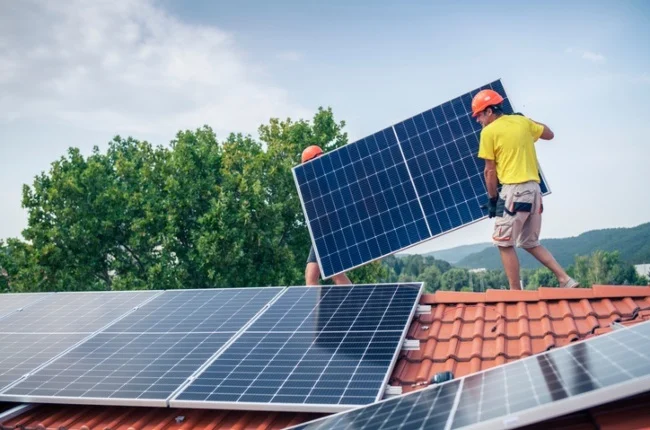
Solar can lower electricity costs and add resilience, but only when the system is designed and installed with care. Many problems that surface months later actually stem from early decisions: inaccurate energy modeling, rushed site assessments, or hardware choices that don’t match the roof. Because solar systems are electrical, structural, and weather-exposed at the same time, small shortcuts can cause long-term headaches such as reduced production, roof leaks, nuisance shutdowns, or monitoring that never tells the full story. The good news is that most issues are predictable and preventable when homeowners know what to look for before signing and what to verify during installation. By understanding the most common mistakes, you can ask sharper questions, confirm key details in writing, and make sure your system performs as expected for years, not just in the first sunny week.
Design, install, and inspection pitfalls
- Mistake 1: Skipping a Real Site Assessment
One of the biggest sources of disappointment is treating solar like a generic product rather than a site-specific build. A proper assessment should consider roof orientation, tilt, shading throughout the year, available roof area, and the condition of the roofing material itself. If the roof is near the end of its life, installing panels without a reroof plan can lead to expensive removal and reinstallation later. Shading is often underestimated because a roof may look clear at noon but receive shade in the mornings, late afternoons, or winter, when the sun sits lower. A detailed assessment should also check attic access, conduit routes, main panel capacity, and where disconnects can be placed to meet local rules. When any of these steps are skipped, the system may be forced into awkward wiring runs, unattractive exterior conduit, or derating due to code limits. Avoid this mistake by insisting on a documented shade analysis, clear layout drawings, and a written confirmation of roof condition and electrical readiness before work begins.
- Mistake 2: Undersizing or Oversizing the System
Sizing mistakes often result from using a quick estimate rather than matching the system to actual consumption patterns and future plans. If the system is undersized, you may not reach the bill savings you expected, especially if rates rise or your household load increases. If it is oversized, you could pay for capacity you can’t fully use, particularly in areas where export credits are reduced or capped. Good sizing starts with at least 12 months of usage data and a conversation about upcoming changes, like adding an EV, switching to electric heating, or planning a pool pump. It also requires realistic production modeling that accounts for roof pitch, orientation, shading, and typical weather, not only ideal conditions. A solid installer will show assumptions and provide a production estimate you can understand. Some homeowners compare proposals from multiple companies, including brands like AWS Solar, to see how each model treats shading losses, panel degradation, and seasonal output swings. The way numbers are presented matters, so ask for clarity rather than marketing language.
- Mistake 3: Poor Panel Placement and Unbalanced Layouts
Even with quality hardware, poor placement can waste production potential. Common problems include placing too many panels on a partially shaded plane, splitting arrays across roof faces without a plan for electrical grouping, or ignoring setbacks that later force a last-minute redesign. Another frequent issue is crowding panels too close to ridges, valleys, or roof edges, which can reduce airflow, increase heat buildup, and complicate maintenance access. Placement should also consider how water flows on the roof, where debris accumulates, and whether panels will obstruct future roof repairs. An unbalanced layout can cause mismatch losses, especially in string-inverter systems, when panels in one string receive different levels of sunlight. Avoid this by requesting a finalized plan set with exact panel positions, the number of panels per roof plane, and an explanation of how those planes will be wired. If the roof has varied sun exposure, ask how the inverter architecture supports that variation and what production impact is expected.
- Mistake 4: Choosing the Wrong Inverter Approach for the Roof
Inverter choice is not a minor detail; it shapes how the system handles shade, panel mismatch, and performance tracking. A mismatch between roof conditions and inverter architecture can cause ongoing production losses that are hard to notice unless you monitor closely. For example, a simple string inverter can work well on a uniform, unshaded roof plane, but it may perform poorly when a single panel is regularly shaded by a vent pipe or a nearby tree. Microinverters or power optimizers can reduce those losses by allowing module-level control, but they add rooftop electronics and may affect the budget. The key mistake is treating inverter selection as a default choice rather than a roof-driven decision. Avoid it by asking how many roof planes will be used, what shading exists in different seasons, and how the chosen inverter approach responds to those conditions. Also request clarity on monitoring: whether you’ll see panel-level data or only overall system output, and how alerts will be delivered if something fails.
- Mistake 5: Cutting Corners on Electrical and Safety Details
Solar installations must meet strict electrical and fire-safety requirements, and shortcuts here can lead to nuisance shutdowns, inspection failures, or hazards. Common issues include improper grounding, messy wire management, undersized conductors, missing labels, or disconnects that do not comply with local rules. Another overlooked area is the main service capacity. If the electrical panel is near its busbar limit, the solar breaker size may be restricted, requiring a load-side tap, a panel upgrade, or alternative interconnection methods. Skipping this analysis can lead to last-minute change orders and delays. Proper conduit routing also matters; long runs, sharp bends, and exposed exterior conduit can be both unattractive and prone to wear. Avoid electrical mistakes by asking for a clear interconnection plan, confirming whether a panel upgrade is required, and ensuring the permit set includes diagrams that match the final installation. After installation, request photos of critical connections and verify that labeling and shutoff access match code and the approved plans.
- Mistake 6: Roof Penetrations and Flashing Done Incorrectly
Roof leaks are one of the most feared solar outcomes, and they often trace back to rushed mounting work. Mounting systems require penetrations, and each penetration must be sealed and flashed properly for the specific roofing type, whether asphalt shingle, tile, or flat roof membranes. Problems occur when installers use incorrect flashing, fail to align mounts with rafters, overtighten hardware, or seal in a way that degrades under UV exposure. Poor workmanship can also crack tiles or compromise underlayment, creating a leak that may not appear until months later. Avoid this by confirming that the installer uses a mounting system approved for your roof type and that flashing details are included in the plan set. Ask how tile replacements are handled and whether extra tiles will be stocked. After installation, request a walkthrough of mount locations and photos of flashed penetrations before panels fully cover them, so you have records if a roof issue later needs warranty attention.
- Mistake 7: Skipping Commissioning, Monitoring Setup, and Owner Education
A system can be physically installed yet still underperform if it is not properly commissioned and explained. Commissioning includes verifying string voltages, confirming inverter settings, ensuring rapid shutdown functions correctly, and verifying that the system reports accurate data to the monitoring portal. A common mistake is leaving the homeowner with an app that displays limited information or that never connects to Wi-Fi, resulting in months of unnoticed downtime. Another issue is failing to explain what “normal” production looks like across seasons, so homeowners panic during winter dips or miss a genuine fault because they assume variability is normal. Avoid this by requiring a commissioning checklist, confirmation that monitoring is live before final payment, and a short owner orientation that covers app access, basic troubleshooting steps, and how to read monthly production. Also, keep all serial numbers, warranty documents, and inspection sign-offs in one place for future service needs.
- Final checks before turning it on
Before the system is turned on, a quick review can prevent lingering issues. Confirm that the installed equipment matches what you signed for, including the panel model, inverter type, and any add-ons such as consumption monitoring. Verify the layout matches the approved drawings and that setbacks and access pathways are respected. Check that conduit runs look clean, labels are present, and shutoffs are easy to locate. Make sure the monitoring app is active, and you can see real-time production data. Ask for documentation of the final inspection and utility permission to operate, as both are required for warranty and billing. These steps take little time but can save months of confusion.
Solar installation problems usually come from predictable missteps: weak site assessment, incorrect sizing, poor placement, mismatched inverter choices, electrical shortcuts, improper roof flashing, and incomplete commissioning. Avoiding them does not require technical mastery, only a structured approach that prioritizes documented plans, clear assumptions, and verifiable post-install checks. A well-installed system should produce reliably, remain safe, and stay easy to monitor, with minimal surprises after the first billing cycle. When you insist on accurate modeling, code-compliant workmanship, and a complete handoff package, you protect both your roof and your investment. With the right precautions, solar becomes a straightforward home upgrade rather than an ongoing project.