A quiet HVAC system can be misleading. Many homeowners assume silence means everything is working well, yet the house still feels warm, damp, uneven, or slow to recover after the thermostat changes. Quiet operation can occur when a blower is moving less air than it should, when refrigerant performance is reduced, or when the system cycles in a way that avoids loud starts but never delivers strong heating or cooling. Contractors treat “quiet but weak” as a clue that something is limiting capacity without creating obvious noise. The diagnosis usually begins with comfort symptoms and runtime patterns, then moves into airflow, temperature change across the equipment, and control settings. A system can be quiet because it is struggling gently rather than failing loudly, and that difference matters when deciding whether the fix is mechanical, duct-related, or building-related.
How Quiet Problems Are Traced
- Airflow That Is Too Low to Feel
One of the first things contractors consider is whether the system is moving enough air, even if the equipment sounds normal. Low airflow can reduce cooling output, cause rooms to feel stale, and increase humidity because the coil may not handle moisture properly with insufficient air passing over it. The blower may be running, but if the filter is loaded, the return grille is undersized, or the ductwork has restrictions, airflow drops while sound levels stay relatively low. Contractors often compare airflow at multiple registers rather than relying one a single room, because a quiet system may still have strong flow in one branch and weak flow elsewhere. They also look for closed dampers, crushed flex ducts, and supply vents blocked by furniture. In humid climates, low airflow can make the house feel sticky without obvious noise, which is why contractors prioritize airflow measurement rather than guessing based on how loud the unit is.
- Static Pressure and Duct Resistance Hidden Behind Silence
A system can be quiet because it is “choked” by resistance. High static pressure in the duct system forces the blower to work harder, but the sound may not be dramatic if the motor ramps smoothly or if the restriction is spread across several points. Contractors check static pressure to see whether the blower is operating within a healthy range or being pushed outside it by tight ductwork, undersized returns, or too many sharp turns. If pressure is high, the system may deliver less air while still sounding calm, and comfort complaints increase as rooms drift away from the set temperature. In older homes, return pathways are a common cause: the unit pulls air from a small grille and starves for return volume. A quick location reference helps illustrate where this can show up with long run times and muggy indoor air: Homes around Valdosta, GA, can experience quiet cooling that still feels weak when duct resistance and return limitations combine with high outdoor humidity. Contractors connect these readings to corrective steps like improving return size, sealing duct leaks, or correcting duct layout issues.
- Refrigerant Performance That Drops Without Obvious Noise
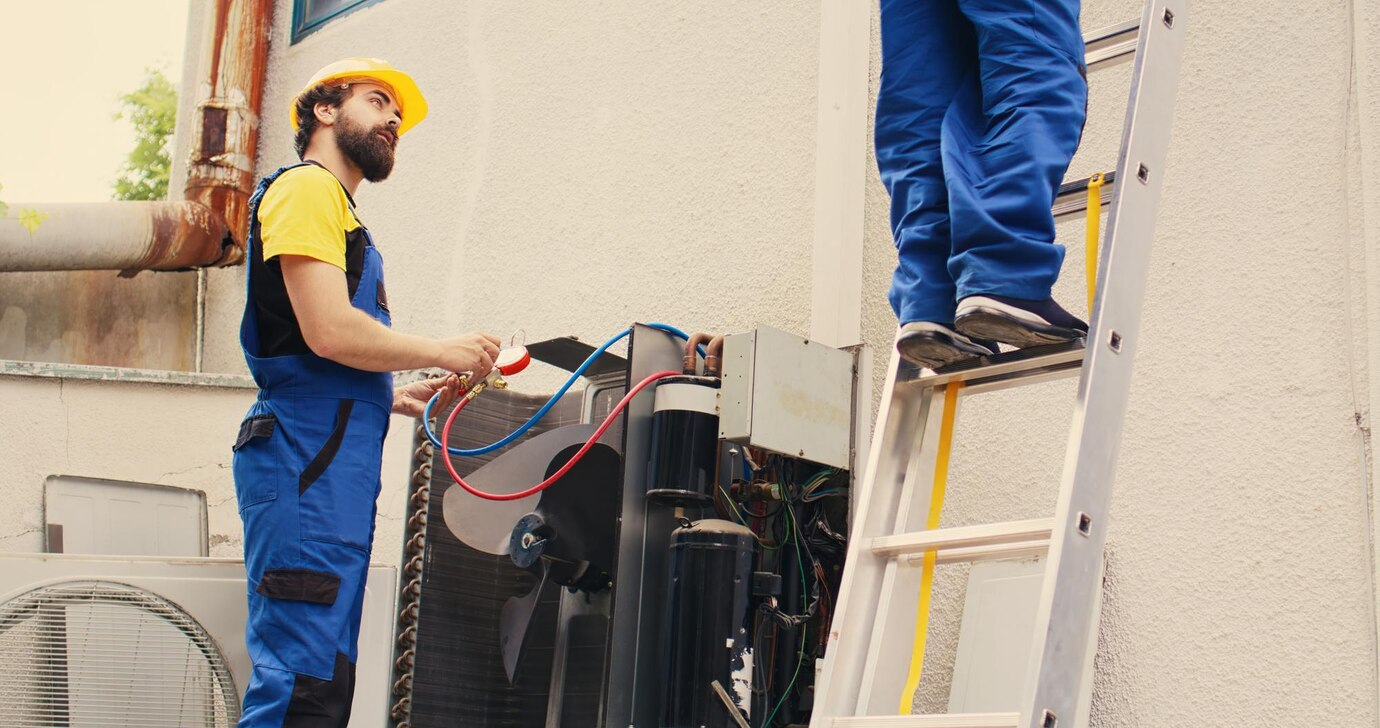
When cooling performance is poor, contractors also evaluate the behavior of the refrigerant circuit. A system can sound smooth even when the coil is not absorbing heat effectively due to a low charge, a restriction at a metering device, or a condenser that cannot reject heat. Unlike a dramatic compressor failure, these issues may cause subtle symptoms: longer run times, mild cooling at the vents, and a lower-than-expected temperature split. Contractors use gauges and temperature measurements to see whether pressures and superheat/subcooling match what the system should produce under current conditions. They inspect for signs of oil staining at joints, which can indicate slow leaks that do not make noise. They also consider whether the outdoor coil is dirty, whether airflow through the condenser is restricted, or whether the fan is running at an incorrect speed. Quiet operation becomes part of the puzzle, not reassurance, because a compressor can run steadily while delivering reduced capacity when the conditions around it are not right.
- Coil Conditions That Reduce Output and Raise Humidity
Even when the system runs quietly, the indoor coil can be the bottleneck. A coil coated with dust or impacted by biological buildup reduces heat transfer and can alter how the system manages moisture. If the coil is partially frozen due to low airflow or refrigerant issues, the system may remain quiet while performance steadily declines, because ice blocks airflow and reduces contact between air and the coil surface. Contractors look for sweating lines, temperature patterns on the suction line, and signs of water management problems in the drain pan. A slow drain can elevate humidity and cause musty odors, making the home feel uncomfortable even if the air temperature is close to the target. They also check blower wheel cleanliness and evaporator accessibility, because a dirty wheel can change airflow and cause a soft, low-output condition without loud mechanical sounds. By connecting humidity complaints to coil condition, contractors can decide whether the solution is cleaning, airflow correction, or a deeper refrigerant diagnosis.
- Thermostat Settings and Control Logic That Limit Capacity
Sometimes a quiet, poor-performing system is not failing mechanically—it is being controlled in a way that reduces output. Contractors review thermostat configuration, staging settings, fan mode, and schedules to confirm the system is allowed to run at full capacity when needed. A variable-speed system might be locked into a low stage due to wiring issues, incorrect thermostat setup, or a staging timer misconfiguration. That can feel “nice and quiet,” but it may never ramp up enough to catch up during hot afternoons or cold mornings. Contractors also look for mismatched equipment, such as a thermostat that cannot properly control a multi-stage unit or a control board that is not receiving correct signals. In some cases, continuous fan operation can re-evaporate moisture from the coil after a cooling cycle, raising indoor humidity while the temperature remains acceptable. These control-related issues often produce comfort complaints without mechanical noise, and adjusting settings can quickly restore performance without replacing major parts.
- Building Factors That Overwhelm a Quiet System
Contractors also step back and consider whether the building is asking more from the system than it can deliver, especially when the equipment appears to run smoothly. Poor insulation, high solar gain, leaky ductwork in a hot attic, and large air leaks can make a system run continuously while still falling behind. Quiet operation does not compensate for a high load; it simply makes the struggle less noticeable. Contractors may compare indoor temperature patterns with outdoor conditions and note which rooms drift first, because that points toward envelope issues like attic heat, window exposure, or unsealed penetrations. They also consider whether return air is pulling from a hot zone, like a hallway near an attic access. Even small gaps can matter if the home is under negative pressure due to return limitations or exhaust fans. By treating the house as part of the system, contractors can identify why a well-running unit cannot maintain comfort and propose improvements that lower the load so the equipment can do its job.
- Quick Takeaway on Quiet but Weak Systems
A quiet HVAC system can still perform poorly when airflow is low, duct pressure is high, refrigerant performance is reduced, or controls keep the unit in a low stage. Contractors verify airflow and static pressure, then check coil condition, drainage, and temperature change across the equipment. They review thermostat configuration to ensure staging and fan behavior match the system design. If the equipment tests normally, they look at building loads such as attic heat, duct leakage, and air infiltration that can overwhelm capacity. The goal is to find the limiting factor that reduces comfort without creating obvious noise.
Quiet performance should be treated as a symptom, not a guarantee. Contractors focus on measurements that explain why comfort is lacking: airflow volume, pressure, temperature split, humidity behavior, and how the system responds over time. They look for bottlenecks that restrict heat transfer, such as dirty coils, blocked filters, and duct restrictions that quietly reduce delivery to key rooms. They also verify that controls allow the equipment to ramp when conditions demand it, because staging errors can keep output low while sound remains minimal. When mechanical checks look healthy, the search expands to the home itself—leaks, insulation gaps, attic heat, and duct placement—all of which can lead to long run times and disappointing results. Fixing a quiet-but-weak system often means removing constraints so the same equipment can deliver steadier temperatures, better moisture control, and a more comfortable living space without turning into a loud, short-cycling machine.