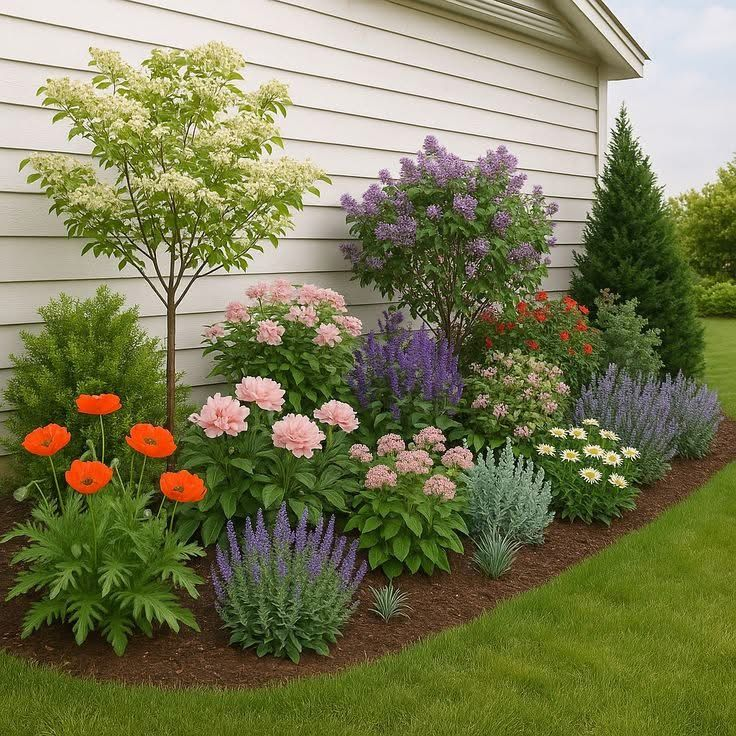
Have you ever wondered why some gardens look absolutely stunning while others seem to clash and compete for attention? The secret lies in understanding how to choose the right flower colors for your landscape. Your flower color choices can make or break your garden’s visual appeal, especially when you consider factors like light quality, seasonal changes, and your home’s exterior.
Creating a beautiful landscape isn’t just about picking your favorite colors and hoping for the best. You need to think about how different hues work together, how they’ll look throughout the seasons, and how they’ll complement your home’s architecture. The good news? Once you understand a few basic principles, you’ll be able to create a garden that looks professionally designed.
Understanding Light Quality in Canada
Did you know that the quality of sunlight in Canada dramatically affects how your flower colors appear? Unlike equatorial regions where the sun sits high overhead, Canadian sunlight comes from a lower angle for most of the year. This creates a unique lighting situation that can make or break your color choices.
The Canadian summer sun has a distinctly cool, blue-toned quality that affects color perception. This means bright, saturated colors that might look beautiful in tropical climates can appear harsh or garish in your Canadian garden. However, these same vibrant colors become absolutely magical during the golden hour when the light warms up.
For your morning sun areas or shaded spots, you’ll want to stick with cool-toned pastels like soft blues, gentle lavenders, and delicate pinks. These colors work harmoniously with Canada’s natural light quality. Save your warm, saturated colors like deep reds, bright oranges, and sunny yellows for areas that receive full sun exposure throughout the day.
Color Theory for Landscaping
Understanding basic color theory will transform how you approach your garden design. There are three main color schemes you can use: monochromatic, analogous, and complementary. Each creates a different mood and visual impact in your landscape.
Monochromatic schemes use various shades of a single color, like different purples from pale lavender to deep violet. This approach creates a sense of calm and makes your space feel larger. Analogous schemes combine colors that sit next to each other on the color wheel, such as yellow, orange, and red, giving you a natural, harmonious look that feels comfortable and pleasing. Complementary schemes pair opposite colors like purple and yellow for high contrast and drama. This approach works particularly well for Canadian gardens because the bold contrast remains visible even on overcast gray days. You can easily spot these combinations from inside your house, making your garden a year-round source of visual interest.
Seasonal Color Progression
Your landscape changes dramatically with each season, so your flower color strategy should change too. Planning for seasonal color progression keeps your garden interesting and psychologically uplifting throughout the year.
Spring calls for bright yellows and crisp whites through flowers like daffodils and tulips. After months of winter’s monochrome palette, these cheerful colors provide the psychological boost you need. They signal renewal and hope, making your outdoor space feel alive again.
Summer brings opportunities for purples, blues, and magentas through plants like lavender and phlox. These colors not only thrive in heat but also provide a cooling visual effect during hot months. As fall approaches, transition to burnt oranges, deep golds, and rich burgundies with flowers like sedum and mums. These warm tones harmonize beautifully with changing foliage colors.
Incorporating Foliage and “Bridge” Colors
Many gardeners focus solely on flower colors and forget about foliage, but leaves play a huge role in your overall color scheme. Smart foliage choices can solve color clashing problems and make your flowers look even more vibrant.
Silver and chartreuse foliage act as neutral “bridges” between colors that might otherwise clash. These foliage colors help different flower hues work together harmoniously while making darker flowers appear more vibrant and noticeable.
Chartreuse foliage deserves special mention for Canadian gardens because it literally glows during overcast weather. When gray skies dominate your landscape, chartreuse leaves provide that bright pop of color that keeps your garden from looking dull. This makes it an invaluable tool for maintaining visual interest during Canada’s frequently cloudy days.
Considering Hardscape and Home Color
Your home’s exterior color should guide your flower color choices, not compete with them. The goal is creating a cohesive look that makes both your house and garden look better together.
If you have a red brick home, avoid mid-tone reds in your flower beds as they’ll create an awkward clash. Instead, choose creamy whites, deep purples, or fresh lime greens that complement rather than compete with your brick. These colors will make your home’s architecture look more sophisticated.
For homes with gray or blue siding, warm yellows and oranges become your best friends. These warm colors add depth and coziness to cool-toned exteriors, creating visual balance. The contrast makes both your home and your flowers more eye-catching and appealing.
The 70-20-10 Rule for Color Balance
Professional landscaping companies often use the 70-20-10 rule to create balanced, visually pleasing gardens. This mathematical approach takes the guesswork out of color distribution and prevents your landscape from becoming chaotic or overwhelming.
Here’s how it works: use 70% dominant color (usually green foliage or soft neutrals), 20% secondary color (your main complementary hue), and 10% accent color (bold, attention-grabbing shades). This formula creates natural focal points that guide your eye through the garden.
Limiting your vibrant colors to just 10% of the overall palette prevents visual chaos while ensuring those bright spots have maximum impact. Your eye naturally travels to these colorful focal points, creating a sense of movement and interest throughout your landscape design.
Tips to Choose Flower Colors for Landscape: Additional Considerations
Beyond color theory and seasonal planning, practical considerations affect your flower color choices. Think about maintenance requirements and growth patterns when selecting your plants. Some colorful flowers need more care than others, and fast-spreading varieties might overwhelm your carefully planned color scheme.
Your personal preferences matter too, but balance them with local growing conditions. A flower might have your favorite color, but if it struggles in your climate, it won’t provide the consistent color impact you’re planning for.
Climate change is also affecting traditional seasonal patterns and flower performance. Stay flexible with your color choices and be prepared to adapt as growing conditions shift. What worked perfectly five years ago might need adjusting as weather patterns change across Canada.