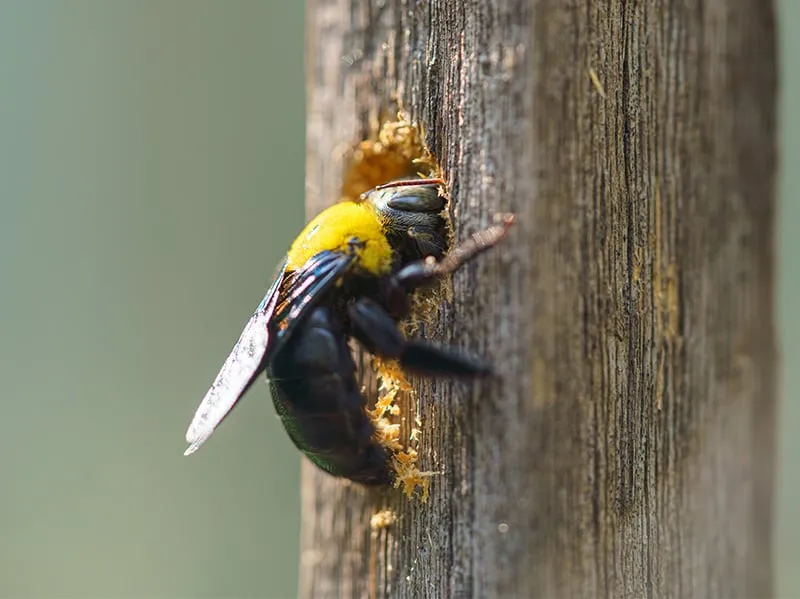
Carpenter bees are fascinating insects that play an important role in pollination but can also cause significant damage to wooden structures around homes and gardens Understanding their behavior, identifying their signs, and learning how to manage them safely is crucial for homeowners, gardeners, and nature enthusiasts This guide will provide comprehensive information about carpenter bees, their life cycle, habits, prevention, and effective management methods
Understanding Carpenter Bees
Carpenter bees are large, solitary bees that resemble bumblebees but differ in appearance and behavior Their shiny, black, hairless abdomens distinguish them from bumblebees, which have fuzzy bodies Unlike social bees, carpenter bees do not live in colonies Instead, they create nests by boring holes into wood, which can damage decks, siding, fences, eaves, and other wooden structures Carpenter bees are most active during spring and summer when they mate and construct nests
While they are not aggressive, carpenter bees can sting if provoked, but male carpenter bees do not have stingers at all Their primary concern for humans is the damage they can inflict on wood surfaces, especially untreated or softwoods such as pine, cedar, and redwood
Life Cycle and Behavior
Understanding the life cycle of carpenter bees is essential for managing infestations Adult female carpenter bees bore tunnels into wood to lay eggs These tunnels are cylindrical and can extend several inches deep, often with multiple chambers Inside each chamber, females lay a single egg with a provision of pollen and nectar for the larva to feed on
The eggs hatch into larvae that consume the provided food and eventually pupate into adult bees Carpenter bees typically have one generation per year, and adult bees emerge in spring to start the cycle again This predictable life cycle makes targeted management more effective
Carpenter bees are attracted to bare, untreated wood and often avoid painted or stained surfaces They are also attracted to areas with exposed rafters, porch beams, wooden eaves, and outdoor furniture
Signs of Carpenter Bee Activity
Early detection is key to preventing structural damage Some common signs of carpenter bee activity include:
- Round holes about half an inch in diameter on wooden surfaces
- Sawdust or wood shavings near or under the holes
- Presence of bees hovering near holes or wooden structures
- Discoloration or splintering of wood around the entry point
Unlike termites or other wood-boring insects, carpenter bee holes are smooth and rounded, and they do not consume wood for nutrition Their damage is caused by excavation for nesting purposes
Prevention and Protective Measures
Preventing carpenter bee infestations is easier than repairing extensive wood damage Some effective preventive measures include:
- Painting or staining wood surfaces to make them less attractive for nesting
- Sealing cracks, holes, and crevices in exposed wood structures
- Using hardwoods instead of softwoods for construction when possible
- Regularly inspecting wooden surfaces, decks, eaves, and furniture
- Installing artificial nesting blocks away from important structures to divert bees
Maintaining painted or treated wood surfaces is one of the most effective strategies because carpenter bees prefer bare wood for nesting
Natural and DIY Management
For homeowners preferring non-chemical approaches, several natural methods can reduce carpenter bee activity:
- Plugging old holes with wooden dowels or caulk after winter when bees are inactive
- Using citrus oil sprays, as carpenter bees dislike the scent of citrus
- Installing decoy nests to encourage bees to nest elsewhere
- Keeping outdoor wood surfaces clean and well-maintained to reduce attractiveness
While these methods may not completely eliminate carpenter bees, they help reduce the number of nesting sites and minimize damage
Chemical and Professional Treatments
In cases of severe infestations, chemical treatments or professional pest control services may be necessary carpenter bees can be managed using insecticidal dust applied directly into their tunnels or with sprays targeting adult bees during spring when they are active Before applying chemicals, it is important to follow safety guidelines and avoid harming pollinators in the surrounding area
Professional pest control services offer a comprehensive approach, including inspections, targeted treatments, and long-term management strategies They can also recommend preventive measures tailored to the specific structure and environment
Seasonal Considerations
Carpenter bees are most active in the spring when mating occurs and females create new nests Summer is the time when larvae grow and develop inside tunnels By late summer and fall, adults may die off or seek sheltered areas for winter This seasonal pattern allows homeowners to plan preventive measures, repair damage, and implement treatments at optimal times
Timing interventions, such as plugging holes or applying treatments in early spring or late fall, increases effectiveness while minimizing risks to beneficial pollinators
Ecological Importance
Although they can damage wood, carpenter bees are essential pollinators that contribute to the health of gardens, orchards, and wild ecosystems They pollinate flowers, fruits, and vegetables, supporting biodiversity and food production Understanding their ecological role helps balance pest management with environmental preservation
Instead of trying to eliminate all carpenter bees, controlling their nesting in human structures while allowing them access to natural habitats ensures both protection of property and support of local ecosystems
Common Mistakes to Avoid
Homeowners often make mistakes that reduce the effectiveness of carpenter bee management These include failing to repair old holes, ignoring preventive measures, applying chemical treatments at the wrong time, and painting over active nests instead of addressing them when bees are absent Avoiding these mistakes improves the success of carpenter bees management strategies and protects wooden structures from extensive damage
Conclusion
Carpenter bees are remarkable insects that play a vital role in pollination but can cause damage to wooden structures if left unmanaged Understanding their behavior, signs of activity, preventive measures, and treatment options is key to maintaining safe and healthy homes and gardens Effective carpenter bees management involves a combination of natural, DIY, and professional approaches By implementing preventive strategies, repairing old damage, and monitoring seasonal activity, homeowners can coexist with these pollinators while protecting their property