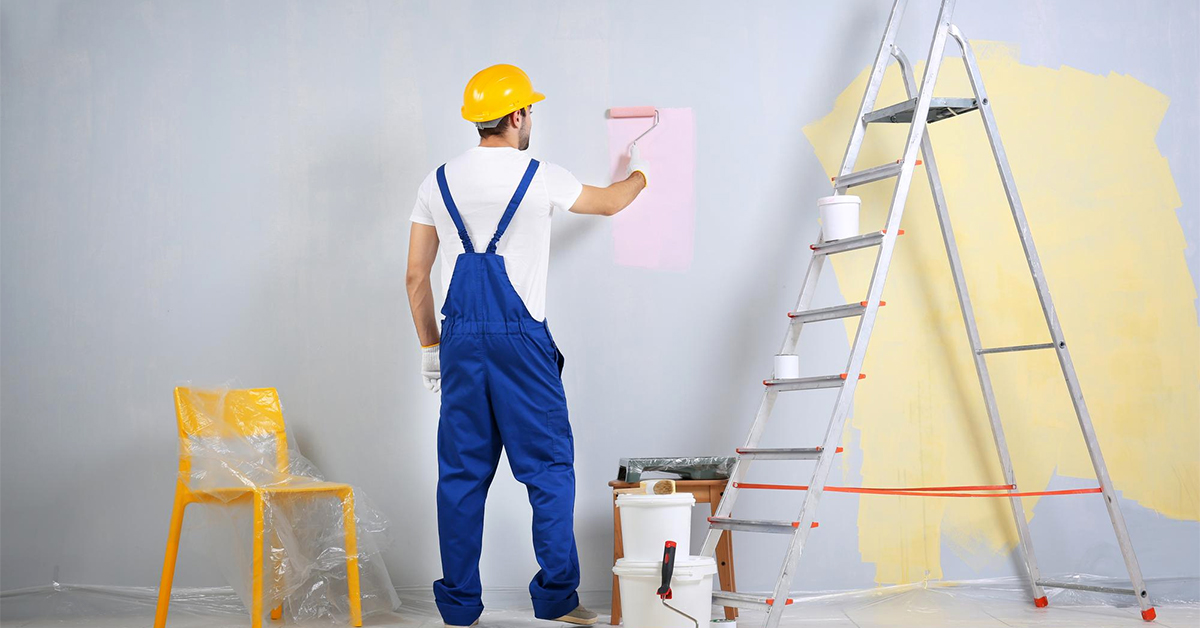
Interior painting is far more than a routine upgrade or a cosmetic task; it is a thoughtful process that reshapes how a space feels, functions, and endures over time. A carefully painted interior has the power to influence mood, enhance comfort, protect surfaces, and express personal or professional identity. While many people see paint simply as color applied to walls, the reality is that successful interior painting blends preparation, material knowledge, technique, design awareness, and long-term maintenance considerations into one cohesive craft.
This article explores the depth of interior painting as a professional discipline, from understanding surfaces and selecting materials to mastering application techniques and maintaining finished results. It also explains why skilled expertise matters and how well-executed interior painting contributes lasting value to any indoor environment.
Understanding Interior Painting as a Professional Discipline
Interior painting requires much more than a brush and a bucket of paint. At its core, it is a trade that combines technical knowledge with artistic sensitivity. Every indoor surface reacts differently to paint depending on its material, age, condition, and exposure to light or moisture. Walls, ceilings, trim, doors, and built-in features each demand a specific approach, and ignoring those differences can lead to uneven finishes, premature wear, or structural issues beneath the surface.
A professional interior painter understands how different materials behave and how preparation impacts the final result. Drywall, plaster, wood, metal, and previously painted surfaces all require tailored treatment. Proper sanding, cleaning, priming, and repair ensure that the paint bonds correctly and maintains its appearance over time. Without these foundational steps, even the most expensive paint will fail to deliver the expected outcome.
The Role of Preparation in Achieving Lasting Results
Preparation is often underestimated, yet it accounts for a significant portion of the total painting process. A flawless finish begins long before the first coat of paint is applied. Preparation includes assessing the condition of surfaces, identifying imperfections, and addressing any structural or cosmetic issues that may interfere with paint adhesion.
Cracks, dents, stains, and moisture damage must be repaired before painting begins. Dust, grease, and residue must be removed to ensure proper bonding. Primers are selected based on surface type and paint choice, serving as a bridge between the surface and the topcoat. Skipping or rushing these steps may save time initially, but it almost always leads to visible flaws and reduced durability.
In professional practice, preparation is approached systematically. Each room is evaluated individually, and surfaces are treated according to their specific needs. This attention to detail is what separates high-quality interior painting from quick, superficial work.
Choosing the Right Paint for Indoor Environments
Paint selection is both a technical and aesthetic decision. Different paints offer varying levels of durability, washability, sheen, and environmental impact. Interior spaces demand paints that can withstand daily use while maintaining visual appeal.
Water-based paints are commonly used indoors due to their low odor, quick drying time, and ease of cleanup. Oil-based paints, while less common for large wall areas, are sometimes chosen for trim or surfaces requiring extra durability. The sheen level, whether matte, eggshell, satin, semi-gloss, or gloss, affects not only appearance but also maintenance and light reflection.
Color selection also plays a critical role. Light colors can make a space feel open and airy, while darker tones create depth and intimacy. Neutral shades offer flexibility and timeless appeal, whereas bold colors express personality and style. A skilled interior painter considers lighting conditions, room function, and overall design when advising on paint choices, ensuring harmony throughout the interior.
Application Techniques That Define Quality
The application phase is where preparation and planning come together. Technique determines whether the final result appears smooth and consistent or uneven and rushed. Professionals use a combination of brushes, rollers, and sometimes sprayers, depending on the surface and desired finish.
Brushwork requires precision, especially along edges, corners, and trim. Roller application must be uniform to avoid streaks or lap marks. Proper loading of tools, controlled pressure, and consistent motion all contribute to an even coat. Multiple thin coats are often preferred over a single thick one, as they dry more evenly and provide better coverage.
Temperature, humidity, and ventilation also influence application. Experienced painters understand how environmental conditions affect drying time and finish quality, adjusting their methods accordingly. This level of control ensures that the painted surface looks refined and remains durable over time.
Interior Painting and the Psychology of Space
Color psychology is an essential aspect of interior painting that goes beyond aesthetics. Colors influence emotions, behavior, and perception. Warm tones can create a sense of comfort and energy, while cool tones promote calm and focus. Neutral palettes offer balance and adaptability, making them suitable for a wide range of environments.
In residential interiors, color choices often reflect personal taste and lifestyle needs. Bedrooms may benefit from soothing shades, while living areas can accommodate more expressive hues. In professional or commercial settings, color selection supports branding, productivity, and user experience. Thoughtful interior painting aligns visual appeal with functional intent, enhancing how people interact with the space.
The Importance of Detail in Finishing Work
Finishing details define the overall impression of an interior paint job. Clean lines, smooth transitions, and consistent coverage demonstrate professionalism and care. Trim, molding, doors, and ceilings require special attention, as imperfections in these areas are immediately noticeable.
Cutting in around edges demands steady hands and patience. Masking techniques must be precise to avoid paint bleed. Hardware and fixtures are protected or removed to maintain a clean result. These details may seem minor individually, but together they create a polished and cohesive appearance that elevates the entire interior.
A seasoned interior painter understands that excellence lies in these final touches. The goal is not merely to apply color, but to enhance the architecture and design of the space through meticulous execution.
Maintenance and Longevity of Interior Paint
Interior painting does not end when the last coat dries. Long-term performance depends on proper care and maintenance. High-quality paint and professional application extend the lifespan of painted surfaces, reducing the need for frequent repainting.
Routine cleaning with appropriate methods helps preserve color and finish. Addressing minor damage promptly prevents larger issues from developing. In high-traffic areas, durable finishes and strategic color choices minimize visible wear. Professionals often provide guidance on maintaining painted interiors, ensuring that clients can enjoy the results for years to come.
Periodic updates may still be necessary as styles change or spaces are repurposed. However, a well-executed paint job provides a strong foundation for future enhancements, making transitions easier and more cost-effective.
The Value of Professional Expertise
While painting may appear accessible, professional expertise brings consistency, efficiency, and reliability to the process. An experienced interior painter offers more than labor; they provide insight, problem-solving, and craftsmanship. From initial consultation to final inspection, professional involvement ensures that every stage of the project meets high standards.
Time management is another advantage of professional painting. Coordinated workflows, proper equipment, and trained teams allow projects to be completed efficiently without sacrificing quality. This is especially important in occupied spaces, where minimizing disruption is a priority.
Investing in professional interior painting ultimately protects the value of the property. Well-maintained interiors leave lasting impressions, whether for personal enjoyment or future resale considerations.
Sustainability and Modern Painting Practices
Modern interior painting increasingly emphasizes sustainability and health-conscious choices. Low-VOC and zero-VOC paints reduce indoor air pollution, creating safer environments for occupants. Eco-friendly materials and responsible disposal practices further minimize environmental impact.
Professionals stay informed about advancements in paint technology, offering options that align with both performance and environmental responsibility. This forward-thinking approach ensures that interior painting remains relevant and responsive to evolving standards and expectations.
Interior Painting as a Long-Term Investment
Beyond immediate visual improvement, interior painting represents a long-term investment in comfort, functionality, and property care. Fresh, professionally applied paint revitalizes interiors, protects surfaces, and adapts spaces to changing needs. It reflects attention to detail and respect for the built environment.
When executed with care and expertise, interior painting becomes a transformative process rather than a temporary fix. The collaboration between technical skill and creative vision results in interiors that feel intentional, welcoming, and enduring.
Conclusion:
Interior painting is a nuanced discipline that combines preparation, material knowledge, technique, and design awareness. It influences how spaces look, feel, and perform over time. From the first assessment to the final coat, every step contributes to the overall quality and longevity of the result.
Choosing to work with a skilled interior painter ensures that this process is handled with professionalism and care. By valuing preparation, thoughtful color selection, precise application, and long-term maintenance, interior painting becomes an art form that enhances daily life and preserves the integrity of indoor spaces. Through this approach, painted interiors continue to inspire comfort, confidence, and lasting visual appeal.