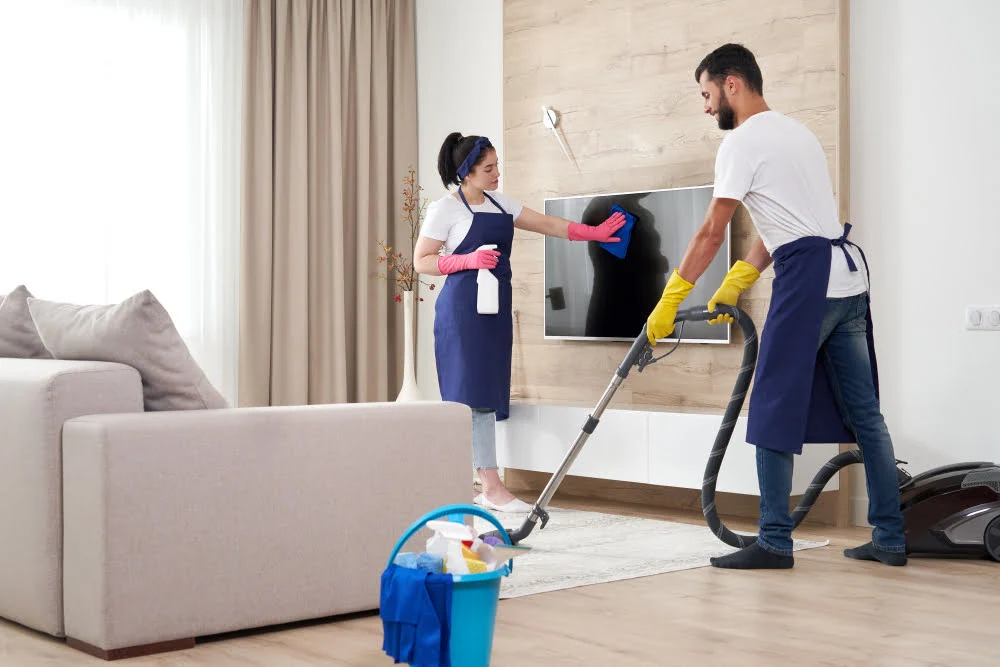
Maintaining a clean and organized space requires more than just occasional tidying. While one-time cleaning sessions are important, they often cannot prevent the accumulation of dust, dirt, and germs over time. This is where recurring cleaning comes into play. Recurring cleaning is a scheduled cleaning routine designed to keep homes, offices, and other spaces consistently clean and hygienic. In this comprehensive guide, we will explore the importance, benefits, techniques, and tips for implementing an effective recurring cleaning strategy that ensures a healthy and comfortable environment.
Understanding Recurring Cleaning
Recurring cleaning is a systematic approach to cleaning that takes place at regular intervals, whether daily, weekly, bi-weekly, or monthly. Unlike one-off deep cleaning sessions, recurring cleaning focuses on maintaining cleanliness consistently, preventing dirt, clutter, and bacteria from building up. It can be applied to residential, commercial, and industrial spaces, and is tailored according to the unique needs of each environment. By establishing a recurring cleaning routine, spaces stay organized, sanitary, and welcoming at all times.
Why Recurring Cleaning Is Important
The importance of recurring cleaning goes beyond appearances. Regular cleaning helps reduce allergens, bacteria, and dust that accumulate over time. Kitchens, bathrooms, and high-traffic areas are particularly prone to contamination, and recurring cleaning ensures these spaces are sanitized frequently. For households with children, pets, or elderly residents, maintaining a clean environment is critical to prevent illnesses and maintain overall health.
Recurring cleaning also has economic benefits. Regular maintenance of furniture, appliances, and surfaces prevents deterioration, extending their lifespan and reducing the need for costly repairs or replacements. A clean and organized environment enhances mental clarity, reduces stress, and creates a more productive and comfortable atmosphere.
Key Areas to Focus On in Recurring Cleaning
While every part of a space benefits from recurring cleaning, some areas require particular attention. Kitchens are often the most-used rooms and can accumulate grease, crumbs, and food residue. Countertops, sinks, stovetops, and appliances should be wiped down regularly to prevent buildup. Bathrooms are another critical area, as moisture can lead to mold and bacterial growth. Regular cleaning of sinks, toilets, tubs, and tiles is essential to maintain hygiene.
Living areas and bedrooms also require recurring attention. Dust settles on furniture, shelves, and electronics, while floors, carpets, and rugs can harbor allergens. Regular vacuuming, dusting, and sanitizing surfaces help maintain a clean environment. Windows, walls, baseboards, and vents should be checked periodically to prevent dust accumulation and ensure proper air quality.
Benefits of Recurring Cleaning
Recurring cleaning provides numerous benefits beyond surface-level cleanliness. Regularly cleaned spaces are healthier and safer, reducing the risk of allergies and infections. Surfaces, furniture, and appliances that are cleaned consistently last longer, reducing the need for replacement or repairs. Mental well-being is also enhanced in a consistently clean environment, as clutter and dirt often contribute to stress and distraction.
In commercial or office settings, recurring cleaning contributes to professionalism and customer satisfaction. A clean workspace not only impresses clients but also improves employee productivity and morale. Consistency in cleaning ensures that all areas are maintained to high standards, preventing the need for intensive, time-consuming cleaning sessions.
Techniques for Effective Recurring Cleaning
Effective recurring cleaning requires a systematic and organized approach. Establishing a cleaning schedule is the first step, determining which areas require attention and how often. Daily tasks may include wiping countertops, washing dishes, and sweeping floors. Weekly routines might involve vacuuming carpets, mopping floors, dusting furniture, and cleaning bathrooms. Monthly or bi-weekly tasks can include washing windows, cleaning appliances, or deep-cleaning carpets and upholstery.
Using the right tools and supplies enhances the efficiency and effectiveness of recurring cleaning. Microfiber cloths, scrub brushes, mops, vacuums, eco-friendly disinfectants, and gloves are essential. Prioritizing high-traffic and high-touch areas ensures that cleaning efforts have the maximum impact. Recurring cleaning is most effective when approached systematically, addressing one area at a time and following a consistent sequence.
Maintaining Consistency in Recurring Cleaning
Consistency is key to achieving the full benefits of recurring cleaning. Creating a checklist of tasks helps ensure that no area is overlooked. Scheduling regular cleaning sessions, whether daily, weekly, or monthly, keeps spaces consistently maintained. Small daily efforts, such as wiping spills immediately, tidying clutter, and keeping frequently used surfaces clean, reduce the workload for scheduled cleaning sessions.
In households or workplaces with multiple occupants, assigning responsibilities or hiring professional cleaning services can help maintain consistency. Professionals bring expertise and equipment that ensure thorough cleaning and adherence to schedules. Combining personal efforts with professional assistance ensures that spaces remain consistently clean without gaps or neglect.
Professional Recurring Cleaning Services
For those who prefer convenience or require expert care, professional recurring cleaning services offer an efficient solution. Professionals provide regular cleaning according to a set schedule, ensuring that every area is addressed consistently. They have access to specialized equipment, eco-friendly products, and effective techniques to maintain high hygiene standards. Whether it is residential or commercial spaces, hiring recurring cleaning services saves time, reduces stress, and guarantees reliable results.
Recurring cleaning services can be customized to meet specific needs, from light maintenance to more intensive periodic cleaning. This flexibility ensures that spaces remain clean and safe, adapting to changing requirements and usage patterns.
Eco-Friendly Recurring Cleaning Practices
Sustainable cleaning practices are increasingly important in recurring cleaning. Using eco-friendly products, such as natural disinfectants, biodegradable cleaners, and reusable cleaning tools, helps reduce chemical exposure and environmental impact. Proper ventilation and waste disposal further enhance the sustainability of cleaning routines. Eco-friendly recurring cleaning ensures that spaces are healthy and safe for occupants while supporting environmental responsibility.
Conclusion
Recurring cleaning is a crucial practice for maintaining clean, organized, and healthy spaces. By establishing a systematic cleaning schedule, addressing key areas, and maintaining consistency, homes, offices, and commercial spaces can remain spotless and hygienic at all times. Regular cleaning reduces allergens, protects surfaces and appliances, enhances mental well-being, and contributes to a welcoming and comfortable environment. Whether performed personally or with the assistance of professional services, recurring cleaning ensures that spaces are consistently maintained, preventing buildup of dirt and bacteria and creating a lasting impression of cleanliness and care. Investing in recurring cleaning saves time, effort, and money while delivering a safe, organized, and enjoyable living or working environment.