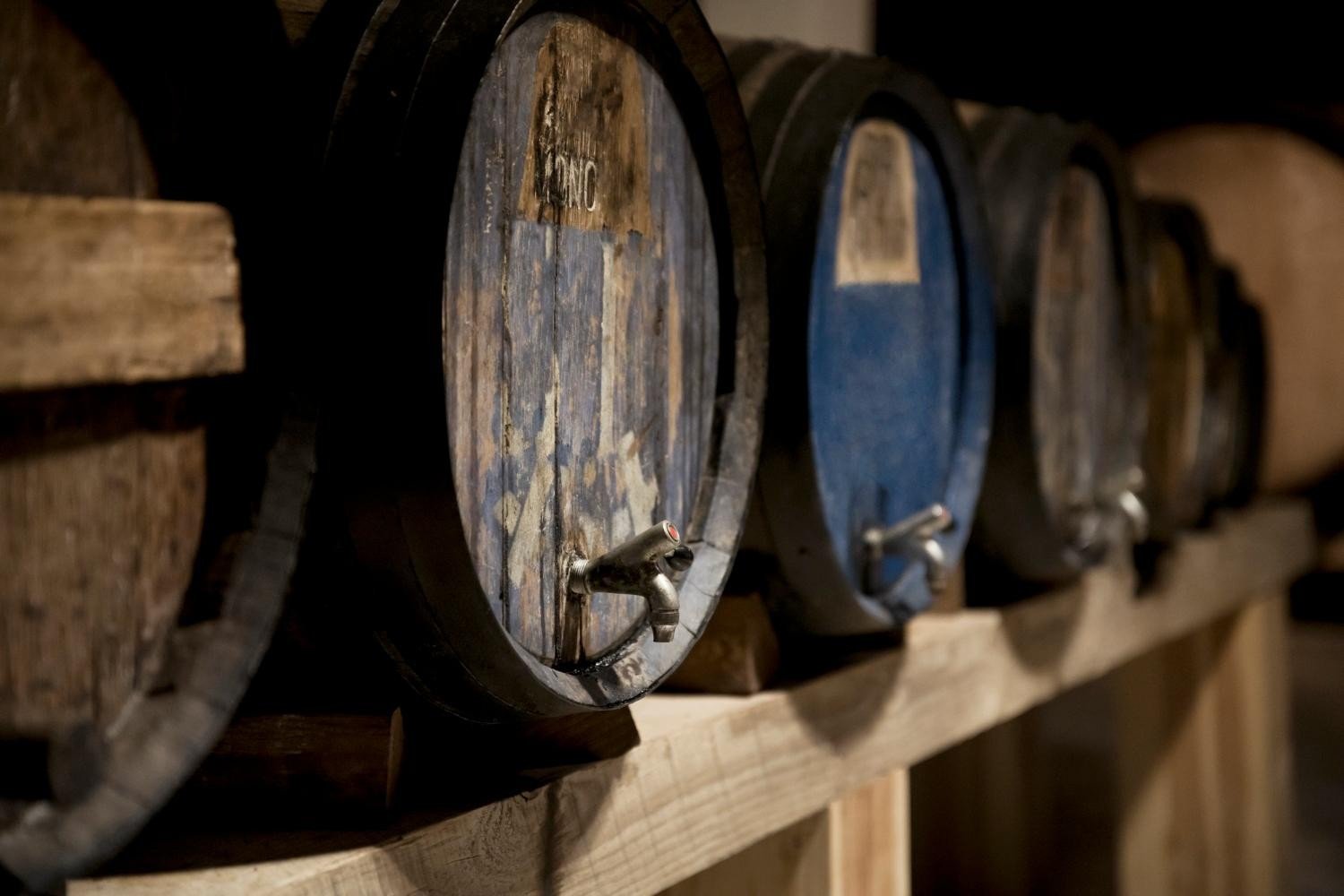
People who enjoy whiskey or rum usually talk about the grain or the mash or maybe the climate where it aged. But if you spend a little time around small distilleries, you’ll notice something else they talk about, almost quietly, because it makes such a big difference. It’s the barrels. More specifically, used rum barrels that come from warm places where the wood has been breathing in sugarcane and heat for years. Those barrels carry a personality of their own, and many distillers swear that nothing else can give their spirits the same kind of soft, tropical edge.
At Rocky Mountain Barrel Company, the demand for these rum casks pops up more often than you’d think. Distillers ask for them the way bakers ask for a very specific vanilla bean, they know exactly what they are trying to achieve. It is about how those barrels behave once they get refilled with a new spirit.
Why Rum Barrels Are So Flavor-Heavy
Rum spends its life in hotter, more humid places than most whiskey. Because of that, the barrel expands, contracts, and basically “breathes” much more. Over the years, bits of rum seep deeper into the wood than what happens in cooler climates. Some of that stays behind. You can smell it when a freshly dumped barrel is opened; sweet, sometimes fruity in a natural, not sugary, way.
When another spirit goes into that same barrel, it meets whatever the rum left behind. And that changes the entire tone of the aging process. Whiskey that might taste sharp or young in a fresh oak barrel will mellow out faster in rum wood.
You get small hints of caramel or banana or dried fruit. No one knows exactly which flavor will lead, because every rum maker leaves a different footprint inside the staves.
Why Distillers Keep Coming Back to Rum Finishes
Many small and mid-sized distillers simply don’t have twenty years to wait for deep complexity. Rum barrels give them a head start. Some only use them for finishing, maybe the last three or four months of aging, because the barrel does its work quickly. Others go all in and age the entire batch in rum wood.
The result is almost always the same: people taste the spirit and ask, “What did you age this in?” That question alone tells the distiller they did something right.
Recent studies talk about how temperature swings, humidity, and wood treatment affect chemical exchanges inside the cask.
Rum Barrels vs. Bourbon Barrels: What is the Difference
Bourbon whiskey barrels are used by every distiller at some stage. Those are uncompromising. You are aware of what you are getting because the bourbon requires charred American oak.
Rum, on the other hand, is a barrel that lacks that kind of predictability. Some rum barrels taste sweeter while others are more woody. The flavor of some rums even depends on the island they are from. It is a bit like cooking using very old seasoned pans, where you cannot control every aspect but you are sure that it will add something unique and good to the dish.
It’s very common for manufacturers to put their spirit in bourbon barrels first and then transfer it to rum barrels afterwards. The first one gives the backbone and the second one the vivaciousness. This combination has become trendy because it works practically in every case.
Why Sourcing the Right Rum Barrel Matters
There’s a world of difference between a rum barrel that has been emptied and shipped right away and one that sat empty for too long. Moisture loss affects flavor transfer. The seal of the staves changes. Distillers can’t gamble with that, which is why they look for suppliers who check the barrels carefully.
Rocky Mountain Barrel Company has built its name on that consistency. Distillers want casks that still smell alive when they arrive. A single bad barrel can ruin weeks of work. A good one can become the star of a limited release.
Looking Ahead: Why Rum Casks Aren’t Going Anywhere
Craft distilling is only getting bigger, and consumers enjoy trying something that tastes like it has a story behind it. Spirits finished in rum barrels do exactly that. The spirits that are finished in rum casks do tell a story. They possess a certain common flavor but with an undertone of warmth and tropicality. The more distillers experiment with rum wood, the more it is being accepted from “special project” to the regular aging lineup.
The bottom line is that the distiller, no matter whether it is finished whiskey, rum-finished gin or even a barrel-aged stout, always has to take into account what the barrel has been through before. And, somewhere in that comparison, the sweet rum wood lying next to bourbon whiskey barrel, they decide which path will give the next batch its own identity.