The decision to move abroad usually starts with a romantic vision. You might picture yourself sipping espresso in a Roman piazza, navigating the neon streets of Tokyo, or finding a quiet cabin in the Canadian Rockies. What you probably aren’t picturing is the mountain of paperwork standing between you and that dream.
Relocating to a new country involves far more than booking a flight and packing a suitcase. You are essentially untangling your legal existence from one jurisdiction and attempting to plug it into another. It is a complex bureaucratic dance involving two different governments, and missing a step can result in fines, visa rejections, or a forced return home.
To ensure your adventure is defined by exploration rather than administrative headaches, you need a strategy. Here are ten crucial legal checks you must complete before making your big move.
1. Secure the Correct Visa and Residency Permits
This is the foundation of your entire move. Never assume you can enter a country on a tourist visa and simply “figure it out” later. Most countries have strict laws prohibiting tourists from working or renting long-term property.
Research the specific visa category that applies to you. Are you a digital nomad? A sponsored employee? A student? Each category has distinct financial and legal requirements. Applying for the wrong visa can lead to immediate rejection, and in some strict jurisdictions, can ban you from re-applying for a set period. Start this process months in advance, as bureaucratic wheels turn slowly.
2. Check Passport Validity (The 6-Month Rule)
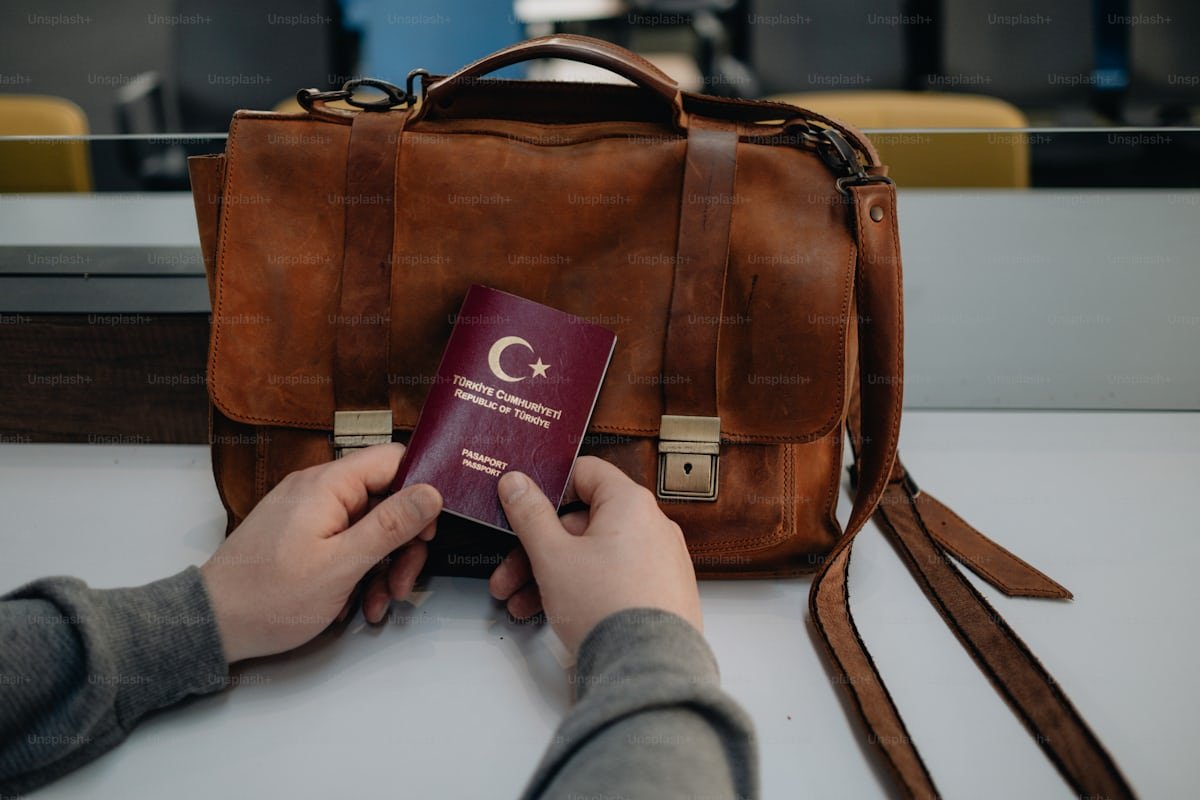
Your passport expiration date is closer than you think. A common misconception is that your passport only needs to be valid on the day you travel. However, dozens of countries enforce the “six-month validity rule.” This means your passport must be valid for at least six months beyond your planned date of departure from that country.
If your passport expires soon after your arrival, immigration officers may deny you entry. Renew your passport well in advance to avoid a panic at the airport check-in desk.
3. Understand Your Tax Obligations
Leaving your home country doesn’t necessarily mean leaving your tax obligations behind. This is particularly true for United States citizens. The U.S. is one of the few countries that taxes based on citizenship, not residency. Even if you earn all your money abroad, you still have to file a return with the IRS.
Research strict tax treaties between your home country and your destination. You want to avoid double taxation—paying income tax in both places on the same money. It is often wise to consult with an accountant who specializes in expatriate taxation before you go.
4. Organize Your Medical Records and Insurance
Healthcare systems vary wildly across the globe. Your current health insurance policy likely stops at the border. You will need to secure either comprehensive travel insurance or a local private health insurance plan in your new country.
Legally, some visas require proof of health coverage before they are issued. Beyond insurance, obtain hard copies of your medical records, including vaccination history and prescriptions. If you take specific medication, check if it is legal in your destination country, as drug classifications can differ.
5. Certify and Apostille Key Documents
Bureaucracy loves an original document, but it loves a “certified” one even more. When you move, you will likely need to prove your identity, marital status, or qualifications. This might be for a job, a residency permit, or even opening a bank account.
Many countries require your documents (like birth certificates, marriage licenses, and university degrees) to be “apostilled.” An apostille is a specialized form of authentication that verifies a document for international use under the Hague Convention. If you don’t do this before you leave, getting it done from overseas can be a logistical nightmare.
6. Manage Your Banking and Debts
Legally, you need to ensure you can access your funds without triggering fraud alerts or violating banking terms. Inform your bank of your move. Some institutions may require you to close your account if you no longer have a local permanent address, while others offer specialized expat accounts.
Additionally, ensure you have a plan for any outstanding debts. Ignoring student loans or credit card debt while abroad is a dangerous legal game that can ruin your credit score or lead to legal action in your absence.
7. Sort Out Your Driver’s License
Can you legally drive in your new home? Some countries allow you to use your home license for a few months, while others require an International Driving Permit (IDP) immediately.
An IDP is a translation of your license into multiple languages and is recognized in over 150 countries. You usually need to apply for this in your home country before you travel. If you plan to stay long-term, investigate the timeline for converting your license to a local one, which may involve a written or practical test.
8. Review Wills and Power of Attorney
It isn’t the most cheerful topic, but it is legally vital. If something happens to you while you are abroad, dealing with your affairs becomes infinitely harder for your family if you haven’t prepared.
Update your will to reflect your move. You should also consider setting up a Power of Attorney (POA). This grants a trusted person back home the legal authority to handle matters on your behalf, such as selling a car, accessing bank accounts, or signing legal documents, saving you expensive flights back home to sign a single piece of paper.
9. Clear Your Criminal Record Checks
If you are applying for a residency visa or a job involving children or vulnerable people, you will likely need a police clearance certificate from your home country. This document proves you have no criminal record.
These certificates often take weeks to process and usually need to be issued fairly recently (e.g., within the last 3-6 months) to be valid. Order these well before your visa interview.
10. Consult a Professional for Complex Cases
Sometimes, Google isn’t enough. If your situation involves complex custody arrangements, business ownership, or a murky visa history, professional help is non-negotiable.
For instance, if you are departing from the western U.S., consulting with an immigration lawyer in Utah or your specific home state can ensure you aren’t inadvertently breaking any exit laws or jeopardizing your future return. They can review your specific situation and ensure your paperwork is watertight.
The Final Step: breathe
The checklist might seem long, but ticking these boxes offers something invaluable: peace of mind. By handling the legal heavy lifting now, you free yourself to enjoy the adventure the moment you land. Focus on the paperwork today so you can focus on the experience tomorrow.