
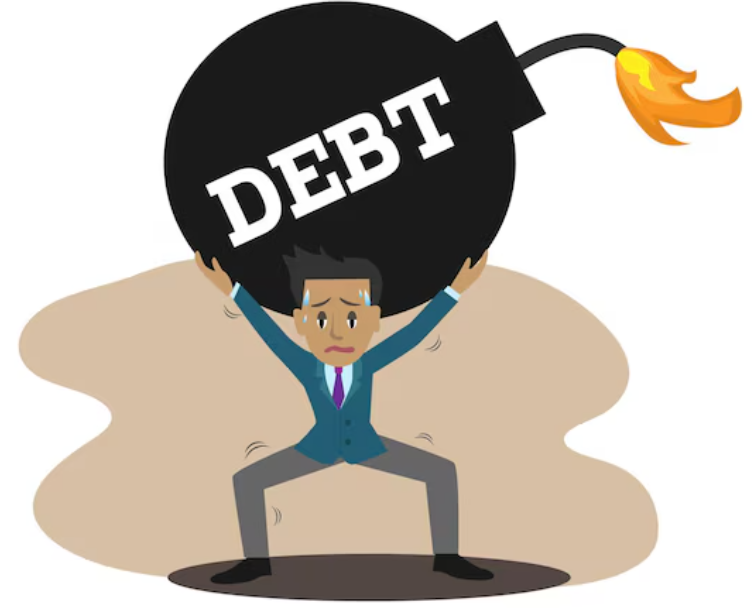
Have you ever looked at your financial situation and asked yourself how people manage large debts in a practical and calm way?
Many individuals face moments when they want to organize their finances better and take steps toward stability. The good thing is that there are several helpful approaches people use to manage large debts while keeping their financial life balanced.
With clear planning and the right information, people often find ways to bring order to their finances and feel more confident about their future.
Debt management is often about understanding the available options and choosing the approach that fits personal circumstances. Some people prefer structured repayment plans, while others look for professional guidance that helps simplify the process.
Many financial systems offer legal and organized solutions that support individuals who want to move forward with confidence.
Understanding How People Approach Debt Management
Handling large debts usually begins with understanding the options available. Many people take time to learn about financial tools that can help them organize payments and maintain control over their finances. With proper information and guidance, individuals often find that there are practical solutions that make financial planning clearer.
When people explore debt management, they typically review different approaches that suit their financial goals. Each option works in a slightly different way, but the common goal is to create a structured path for managing financial responsibilities.
1. Budget Planning and Expense Awareness
One of the first approaches people use is creating a clear budget. Budget planning helps individuals understand where their money goes each month. When spending patterns become visible, it becomes easier to organize payments and maintain financial balance.
A simple budget usually includes income, essential expenses, and debt payments. Many people find that writing these numbers down gives them a clearer picture of their financial situation.
Some practical steps people take include:
- Tracking monthly income
- Listing regular expenses
- Setting aside a portion for debt payments
- Reviewing spending habits regularly
2. Debt Consolidation for Simpler Payments
Another common approach individuals use is debt consolidation. This method combines several debts into a single payment. Many people like this option because it simplifies financial organization.
Instead of managing multiple payment dates, consolidation creates one structured payment schedule. This helps people keep track of their finances more comfortably and maintain consistency in their payments.
Debt consolidation can also help people organize credit cards, personal loans, and other obligations into a single financial plan.
3. Structured Consumer Proposal Agreements
A consumer proposal is another option many individuals explore when they want a formal arrangement for handling debts. This approach allows people to create a structured repayment plan that works within their financial capacity.
In many cases, individuals research options like the best consumer proposal to understand how this solution works and how it may fit into their financial planning. The process involves creating an agreement that outlines manageable payments over a period of time.
Many people appreciate this approach because it provides a clear structure and a predictable payment schedule.
4. Regional Consumer Proposal Options
In certain regions, financial regulations provide specific consumer proposal arrangements. These regional options follow structured legal frameworks that help individuals organize their debt payments in a practical way.
For example, individuals researching debt solutions sometimes look into a consumer proposal in Ontario to understand how local financial guidelines support structured repayment agreements. These programs are designed to help people organize their finances while maintaining stability.
Regional frameworks often include professional guidance and clear payment structures that help individuals manage debts responsibly.
5. Financial Counseling and Professional Advice
Financial counseling is another helpful step that many people take. Speaking with trained professionals can provide clarity about available options and financial planning strategies.
Financial advisors and licensed professionals often review income, expenses, and debts to help individuals understand which path may suit their situation. This process often brings peace of mind because it transforms complex financial information into clear steps.
People often value financial counseling because it offers:
- Clear financial explanations
- Structured planning ideas
- Long-term budgeting strategies
- Guidance about available solutions
6. Legal Debt Solutions Such as Bankruptcy
Some individuals also learn about formal legal processes that help address large debts in an organized way. Bankruptcy is one such process that exists within financial systems to provide structured support when people want a fresh financial start.
Individuals who want to understand the process often explore resources related to bankruptcy help learn how the legal system manages debt resolution. This process typically involves reviewing financial situations and establishing a clear path forward.
Bankruptcy is part of many financial systems because it allows individuals to reorganize their finances within a legal framework.
7. Increasing Income Through Additional Opportunities
Many individuals also focus on increasing their income as part of their debt management strategy. Extra income can help speed up repayment and create more financial flexibility.
People sometimes consider additional work opportunities, freelance tasks, or skill-based services that bring in extra income. Even a small additional amount each month can contribute to faster debt management.
This approach often works well when combined with careful budgeting and structured repayment plans.
8. Long-Term Financial Planning
Another helpful approach people use is long-term financial planning. This involves creating a financial roadmap that guides spending, saving, and repayment over time.
Long-term planning often includes setting financial goals and organizing priorities. Individuals may plan future savings, emergency funds, and consistent repayment schedules.
Financial planning often includes:
- Setting realistic monthly payment goals
- Reviewing financial progress regularly
- Adjusting budgets when needed
- Planning future savings habits
Why Understanding Debt Options Matters
Learning about different debt solutions helps individuals make informed decisions. When people understand the available approaches, they can choose the one that fits their financial situation and lifestyle.
Knowledge often brings clarity. Many people feel more comfortable handling financial responsibilities once they understand the structure of different debt management options.
Building Confidence Through Financial Awareness
Financial awareness plays an important role in debt management. When individuals take time to learn about budgeting, consolidation, consumer proposals, and legal financial solutions, they gain a better understanding of how financial systems work.
This understanding often leads to stronger financial confidence. People begin to see their finances as something that can be organized step by step, rather than something confusing.
With clear information and thoughtful planning, individuals often move forward with calm and positive financial decisions.
Final Thoughts
Handling large debts is often about understanding the different options available and choosing the path that fits personal financial goals. Many individuals use a combination of budgeting, debt consolidation, structured repayment agreements, financial counseling, and long-term planning to organize their finances. Consumer proposals and formal legal processes also provide structured solutions that help people move forward with clarity. When individuals take time to learn about these approaches, they often find that financial organization becomes much more manageable. A clear plan, combined with steady financial habits, helps many people build stability and confidence in their financial future.
