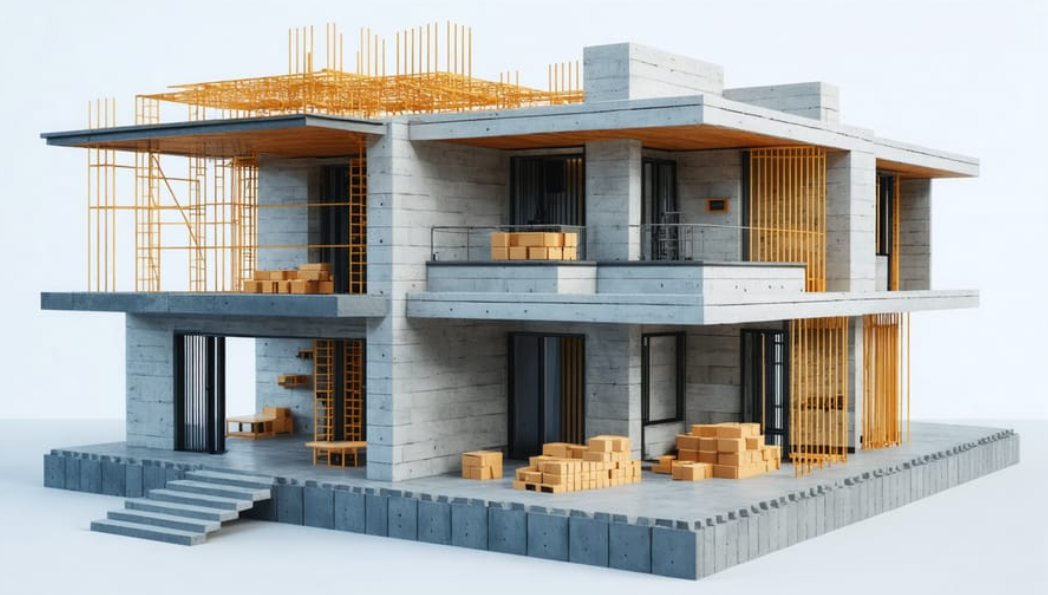
Construction has changed with the advancement of technology. However, very few advancements have challenged conventional construction methods so dramatically in the way 3D printers have. The technology was initially viewed as an experimental idea, but 3D printing is now altering the way that office buildings, homes, and other infrastructures are designed. By combining digital design with an automated construction process, this technology is changing the speed, cost, and design of state-of-the-art designs. Like with urban population growth and the demand for faster, faster, more efficient construction, companies are looking for advanced technologies that reduce inefficiencies and delays. Seriously, This shift is not only changing the way buildings are designed and constructed but also changing the way materials are procured and distributed in the supply chain, affecting everything from design to implementation.
Understanding 3D Printing in Modern Construction
When it comes to manufacturing, 3D printing involves creating structures layer by layer with digitally programmed patterns. The printers are specially designed to place composite or concrete materials precisely in the areas required, which reduces dependence on conventional formwork and the heavy manual work. This method allows construction workers to go from concept to physical structures with incredible speed and precision. The increasing demand for automated techniques for building has also altered methods of selecting materials. Manufacturers, such as Procurement Services in North Carolina, are adjusting to accommodate precision manufacturing methods that require consistency in high-quality and reliable delivery to support digitally driven workflows.
Faster Project Completion and Improved Efficiency
Construction using traditional methods typically requires multiple stages, subcontractors, and scheduling issues, which can delay development. With the help of 3D printing, large parts of structures can be made continuously and sometimes in just a few days. This speedier process is useful for residential developments or commercial projects, as well as infrastructure projects in which delays could be expensive. A shorter construction timeframe also means fewer disruptions to the surrounding community and faster access to the finished areas.
Cost Control Through Precision and Reduced Waste
Controlling costs is an ongoing problem in the construction industry, and 3D printing can be a viable solution. Utilizing precise material amounts built on digital models, the waste can be reduced. Contrary to traditional processes that typically produce leftover material, 3D printing uses only the amount of material needed. Reduced costs for labor, fewer errors, and less work also contribute to better control of budgets.
Design Freedom and Architectural Innovation
In addition to efficiency, 3D printing opens up many new possibilities for creativity. Architectural designers are no longer limited to straight lines or traditional shapes. Complex curves, customized layouts, and distinctive components for structural design can now be created without drastically costing more. Freedom to innovate promotes creativity throughout the industry. Visionary companies such as galvanized steel sheet coil suppliers are exploring ways 3D printing can help deliver attractive and functional designs that stand out in crowded markets.
Supporting Sustainable and Eco-Friendly Construction
Sustainability is now a major issue in modern manufacturing, and 3D printing can help achieve this in many ways. Reduction in waste materials, lower transport costs, and the possibility of using green-friendly materials contribute to a lower environmental impact. Through optimizing the use of resources and cutting down on excess usage the use of resources, 3D printing can be aligned to green building guidelines. Since developers and cities are focusing on sustainable building, this method of construction has proven to be a viable, longer-term solution.
Smarter Planning and Procurement in Digital Construction
Modern construction techniques require a similarly complex plan. Designs created using digital technology must be aligned with the availability of the material, as well as delivery dates and on-site execution. A mismatch could hinder the process and decrease the efficiency of your business. This is when the coordination and sourcing of structured materials becomes vital. Support from professionals such as one of Oman’s top construction providers plays a crucial role in making sure that the materials are delivered on time, in accordance with the requirements for quality, and aids in the smooth execution of projects in today’s digitally-driven construction environment.
Enhancing Safety on Construction Sites
Security remains among the main concerns when it comes to the construction industry. The traditional construction sites expose workers to risky lifting, high dangers associated with machinery, and heights. Through automation of significant parts of the construction process,s 3D printing eliminates the requirement to use manual labour in dangerous environments.
The fewer workers who are on the job and the more monitored processes result in lower accidents and safer work areas. This improves the safety of workers, but it also minimizes the time delays that are caused by accidents.
Real-World Applications of 3D Printing
3D printing is currently being utilized in a range of real-world initiatives. From low-cost housing to commercial structures as well as emergency shelters, the potential for use is growing. For disaster-prone areas, rapid growth capabilities allow rapid shelter construction and protection.
Challenges Slowing Wider Adoption
However, despite its advantages, the use of 3D printing in construction faces difficulties. Costs for initial investment, along with a lack of knowledge and ever-changing regulations, may hinder implementation. The majority of building codes were not initially designed to support printed structures. This requires audit and approval.
The Future of 3D Printing in Construction
In the future, the combination of 3D printing and other technologies such as artificial intelligence and building information modeling is expected to transform the construction industry. Intelligent planning, monitoring in real time, and automatic execution may change the way communities are created.
Conclusion: Redefining How We Build
3D printing is not just a new trend; it is fundamentally changing modern manufacturing. As it improves speed, it reduces costs, improves sustainability, and encourages creativity. The technology is pushing the limits of what’s achievable. While adoption is growing, 3D printing is expected to be a major factor in shaping the future.