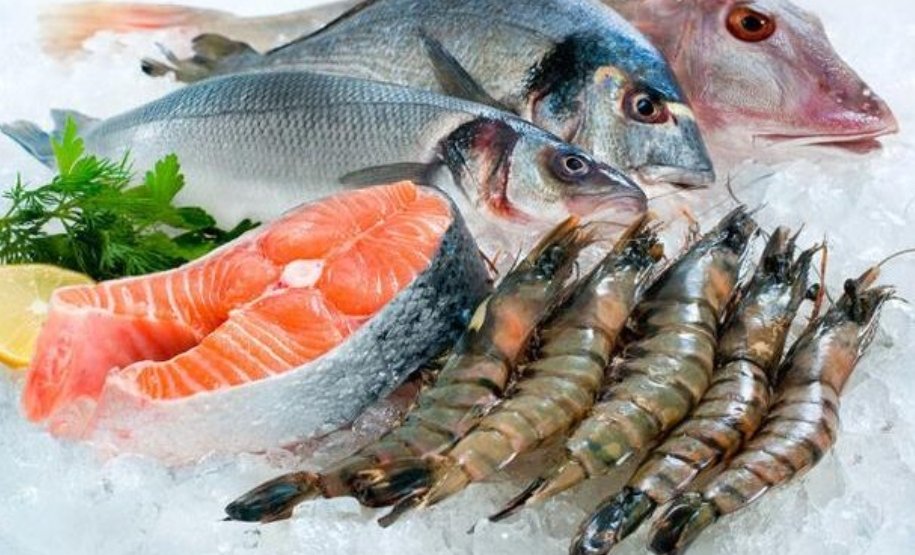
Pakistan has always loved seafood, but things are changing in a quiet and surprising way. For years, people relied on local catches from Karachi, Gwadar, Pasni, and Ormara. Fish from the Arabian Sea shaped plates, memories, and family dinners.
That part is still alive, still strong, still full of smell and spice and loud arguments at fish markets. But lately, something new has slipped into the food scene. Something colder. Something packaged. Something that travels across oceans before landing in a frying pan here. Imported seafood is starting to reshape how people eat, cook, and think about fish. It is a shift you can feel if you really pay attention.
Walk into any bigger grocery store and you notice it. Freezers filled with names that do not sound local. Salmon from Norway. Basa from Vietnam. Tilapia from Thailand. Squid from Malaysia. Crab sticks from who knows where. Shiny packaging. Perfect shapes. Perfect cuts. It feels different from the rough, muddy, chaotic fish markets people are used to. No shouting. No smell. No guessing freshness. Everything is sealed and labeled and cold. Some people trust it. Some avoid it. Some are just curious. And curiosity changes habits.
The Demand That Came Out of Nowhere
It did not happen slowly. It felt like one day people were grilling only pomfret and surmai. Then suddenly they were asking for fillets, steaks, sushi grade cuts, and imported varieties. Urban kitchens started evolving. Food bloggers posted photos. Cafes introduced grilled salmon bowls. Restaurants added prawn tempura, soft shell crab, fish tacos, dangri fish and fusion dishes. Students living alone found comfort in pre cleaned and pre cut frozen fish because it made life easier. Families started experimenting on weekends. It grew without a big announcement. Bit by bit. Plate by plate.
Part of this shift came from people traveling more. They tasted different flavors abroad. They came home looking for the same textures. The same colors. The same smooth fillets with no bones. Another part came from social media. Food influencers filmed recipes and people wanted to try them. They needed specific types of fish to make the recipe work. That is when imported seafood started becoming a thing you could not ignore.
The Journey Across Oceans
Most people do not think about how far some of this seafood travels. It is a long and complicated journey. Fish caught in deep cold waters. Processed in large facilities. Packed in temperature controlled boxes. Loaded onto cargo ships. Stored in huge freezers. Shipped across countries. Monitored for temperature drops. Delivered to Pakistan in containers colder than winter mornings. Then shifted to warehouses. Then into store freezers. Then into home kitchens. One bite of grilled salmon holds months of travel.
This whole system relies on something fragile. Cold chain. If the temperature slips even once, the fish loses flavor and safety. Good suppliers make sure that never happens. Others cut corners. That is why people still feel unsure. They ask questions. They sniff the packs. They check color. They worry. It is not the same as seeing a fish shimmer on ice at a local market. But slowly, trust builds with experience.
Where the Trend Feels Strongest
In Lahore, Islamabad, and Karachi, the change is obvious. Sushi bars opened faster than anyone expected. Steakhouses added seafood platters. Households try salmon with lemon instead of heavy masala. Kids love fish fingers. Teenagers choose grilled fillets over fried whole fish. Gyms recommend high protein diets. Imported fish becomes part of the routine. All these little changes create a larger wave.
Some restaurants now depend heavily on global suppliers. Their menus would collapse without frozen salmon or imported squid. Diners expect these options. They get disappointed if the item is unavailable. That pressure fuels even more import demand. Pakistan’s food culture is shifting from local only to local plus global.
Right in the middle of this growing scene, people search for imported seafood in pakistan because they want to know what options exist. Which brands are reliable. Which fish tastes the best. Which cuts work for certain recipes. They want guidance. They want reassurance. They want to explore.
Why People Choose Imported Seafood
There are many reasons. Some practical. Some emotional. Some just based on convenience.
One reason is consistency. Imported fish looks the same every time. Same thickness. Same size. Same color. That matters when cooking. Especially for beginners. Another reason is availability. Some local fish are seasonal. Imported ones are available year round. Then there is taste. Cold water fish tastes different from warm water fish. Softer, cleaner, less oily. It works well in modern recipes that people want to try at home.
Health is also a factor. Some fish are rich in omega 3. Doctors recommend them. People listen. Families try to add healthy proteins to meals. Imported fish helps fill that gap. Convenience plays a huge role. Pre cut fillets save time. No cleaning. No scaling. No bones. Just cook and eat.
The Conflict With Local Traditions
But not everyone is happy about this trend. Fishermen worry. Local sellers worry. Old cooks argue that imported fish lacks soul. They say it tastes too mild. Too soft. Too controlled. Pakistani food, they argue, needs bold flavors and strong textures. They believe local fish connects people to land and culture. Imported fish feels distant. And they are not wrong.
Local fish markets still carry energy that freezers cannot replace. The noise. The freshness. The arguments. The chaos. It is living food culture. Something about it will always feel more real. More human. More rooted. Imported fish feels clean. But sometimes too clean.
The two worlds now exist side by side. Plates mix both. Homes cook both. Restaurants serve both. It is not a fight. It is a balance. A growing food ecosystem where old and new learn to sit together.
The Future of This Trend
The demand will grow. There is no doubt. Modern cooking will push it. Fitness culture will push it. Restaurants will push it. Stores will expand freezer sections. More brands will enter the market. More types of fish will appear. But the future will also depend on awareness. People need to understand storage, thawing, expiration dates, safe handling, and texture changes. Imported fish is delicate. It needs respect.
Local fishermen might also adapt. Some already explore new ways of packaging and storing fish. Some sell fillets. Some offer home delivery. Some create small brands. They evolve because they must. The food world never stands still.
Final Thought
If you ever want to understand the rise of imported seafood, stand in a modern supermarket for a few minutes. Watch people open freezer doors. Watch them compare packs. Watch them hesitate. Watch them choose. It shows how taste changes over time. Slowly. Quietly. Bite by bite.
Imported seafood is not replacing local fish. It is expanding the table. It gives people more options. More flavors. More ways to cook. More ways to experience the sea. Whether it traveled ten miles or ten thousand, seafood still finds a place in Pakistani kitchens. And every new dish tells its own small story.