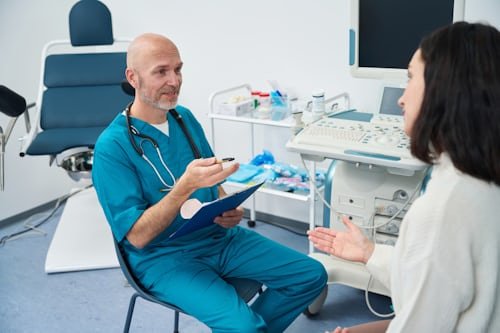
Healthcare has entered an era where timely data can mean the difference between rapid recovery and critical complications. As patient needs become more complex and healthcare systems face increasing pressure, patient monitoring systems have emerged as an essential component of modern care. These systems provide continuous, accurate insights into patient health, enabling clinicians to act quickly, make informed decisions, and deliver safer, more efficient care.
Enhancing Patient Safety Through Continuous Monitoring
One of the primary benefits of patient monitoring systems is improved patient safety. Traditional care models rely on periodic check-ins, which can leave gaps between observations. In contrast, modern monitoring systems track vital signs such as heart rate, blood pressure, oxygen saturation, and respiratory rate around the clock. This continuous oversight allows healthcare professionals to detect subtle changes early, often before symptoms become obvious.
Early alerts help prevent adverse events such as cardiac arrest, respiratory failure, or severe infections. When clinicians can intervene sooner, patients experience fewer complications, shorter hospital stays, and better overall outcomes.
Supporting Faster and More Accurate Clinical Decisions
Patient monitoring systems provide real-time data that supports faster clinical decision-making. Instead of relying solely on manual readings or patient self-reporting, clinicians can view accurate, up-to-date information at a glance. This data-driven approach reduces guesswork and enables personalized treatment plans tailored to each patient’s condition.
In critical care settings such as ICUs and emergency departments, seconds matter. Automated alerts and centralized monitoring dashboards ensure that medical teams are immediately notified of concerning trends, allowing them to respond without delay.
Improving Workflow Efficiency for Healthcare Staff
Modern healthcare facilities face staffing shortages and growing patient volumes. Patient monitoring systems help ease this burden by streamlining workflows and reducing manual tasks. Automated data collection minimizes the need for frequent bedside checks, allowing nurses and clinicians to focus more time on direct patient care.
Centralized monitoring also enables one clinician to oversee multiple patients simultaneously, improving efficiency without compromising safety. Reliable network infrastructure, including components like shielded twisted pair cable, ensures that patient data is transmitted securely and without interference across hospital systems.
Enabling Remote and Home-Based Care
Healthcare is no longer confined to hospital walls. Remote patient monitoring systems allow clinicians to track patients recovering at home or managing chronic conditions. Wearable devices and connected monitors send vital health data directly to care teams, reducing unnecessary hospital visits while maintaining a high standard of care.
This approach is especially beneficial for elderly patients, individuals with chronic illnesses, and those living in rural or underserved areas. Remote monitoring promotes independence while giving patients and caregivers peace of mind.
Reducing Healthcare Costs Without Sacrificing Quality
By detecting issues early and preventing complications, patient monitoring systems help reduce overall healthcare costs. Fewer emergency interventions, reduced readmissions, and shorter hospital stays translate into significant savings for healthcare providers and patients alike.
From an operational perspective, efficient monitoring also reduces equipment redundancy and improves resource allocation. Hospitals can prioritize care where it’s most needed, avoiding costly delays and inefficiencies.
Enhancing Patient Engagement and Satisfaction
Patient monitoring systems don’t just benefit clinicians—they also empower patients. When individuals can see and understand their health data, they become more engaged in their care. Many systems offer patient-facing dashboards or mobile apps that encourage adherence to treatment plans and lifestyle changes.
Engaged patients are more likely to follow medical advice, attend follow-up appointments, and report symptoms early. This collaborative approach strengthens the patient-provider relationship and leads to better long-term outcomes.
Supporting Data-Driven Healthcare Innovation
Modern patient monitoring systems generate vast amounts of data that can be analyzed to improve care delivery. Aggregated data helps healthcare organizations identify trends, evaluate treatment effectiveness, and develop evidence-based protocols.
This data also supports advancements in predictive analytics and artificial intelligence, enabling healthcare providers to anticipate patient needs and prevent issues before they arise. As technology evolves, patient monitoring systems will continue to play a central role in shaping the future of healthcare.
A Foundation for Modern, Resilient Healthcare
In today’s fast-paced and technology-driven healthcare environment, patient monitoring systems are no longer optional—they are essential. By improving safety, efficiency, decision-making, and patient engagement, these systems support better outcomes for both patients and providers.
As healthcare continues to evolve, investing in robust patient monitoring solutions ensures that care remains proactive, responsive, and centered on what matters most: patient well-being.