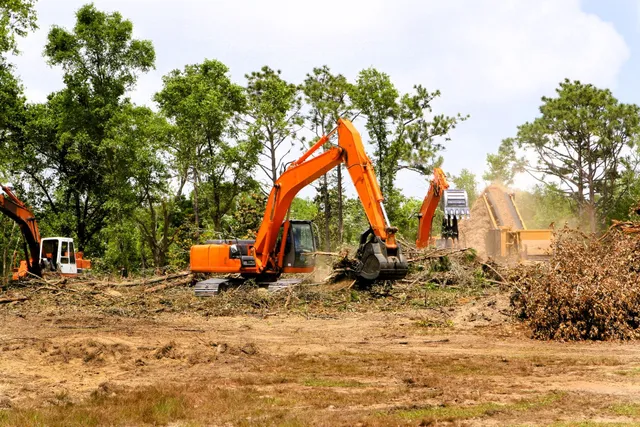
Land clearing is a fundamental process in property development, agriculture, construction, and environmental management, and understanding its scope is essential for anyone looking to use land efficiently and sustainably. Land clearing involves removing trees, shrubs, brush, stumps, rocks, and other vegetation from a designated area to make it usable for a specific purpose. It is not merely about removing obstacles; it is about preparing the land for construction projects, farming, landscaping, or restoration while maintaining environmental balance. Proper land clearing ensures that the soil remains fertile, the terrain is safe and accessible, and the surrounding ecosystem is minimally disturbed. Modern land clearing techniques have evolved far beyond simple manual removal or uncontrolled burning. Today, forestry mulching, mechanized clearing, and advanced excavation methods allow property owners, developers, and farmers to prepare land efficiently while retaining topsoil, improving soil fertility, and preventing erosion. Land clearing also involves strategic planning, including assessing the type of vegetation, soil conditions, slope, and intended land use. The process impacts not only the short-term usability of the land but also long-term property value, ecological health, and agricultural productivity. By implementing modern techniques and following best practices, land clearing becomes a balance between human utility and environmental responsibility.
The Importance of Land Clearing for Agriculture, Construction, and Long-Term Land Usability
Land clearing plays a crucial role in both agriculture and construction. In agriculture, clearing land allows farmers to cultivate crops, manage irrigation systems, and prepare soil for planting. Overgrown vegetation or unmanaged trees can reduce crop yields and make farm operations inefficient. By clearing land responsibly, farmers can enhance soil quality, prevent pest infestations, and ensure even water distribution across fields. In construction and property development, land clearing is often the first step before building foundations, roads, or utility infrastructure. Removing trees, stumps, and rocks creates a level, accessible area that reduces future construction costs and ensures the safety of workers. Long-term usability of cleared land also depends on strategic removal of vegetation, as improper clearing can lead to soil erosion, drainage problems, and decreased soil fertility over time. Sustainable land clearing practices maintain productivity while allowing property owners to utilize the land for various purposes, from agriculture and construction to recreational or commercial developments.
Various Methods of Land Clearing and How They Differ in Efficiency and Environmental Impact
There are multiple methods of land clearing, each with its advantages, limitations, and environmental impact. Manual clearing involves using hand tools such as axes, machetes, and hand saws to remove small trees, shrubs, and undergrowth. This method is labor-intensive but precise, making it suitable for sensitive environments or small plots. Mechanical clearing uses heavy machinery such as bulldozers, excavators, and skid-steers to remove large trees, brush, and debris quickly. This method is efficient for large areas but requires careful operation to avoid soil disturbance and environmental damage. Controlled burning, historically used for land clearing, involves burning vegetation in a controlled manner. While effective in removing brush, it is less common today due to strict environmental regulations and the risk of uncontrolled fires. Forestry mulching has emerged as a modern, environmentally friendly technique. Mulching machines grind vegetation on-site, converting it into organic material that enriches the soil and eliminates the need for debris hauling. Each method must be chosen based on vegetation density, land size, terrain, and the intended purpose of the cleared land, ensuring maximum efficiency with minimal ecological impact.
Essential Equipment Used in Land Clearing and How Technology Has Improved Efficiency and Safety
Land clearing relies on specialized equipment to manage vegetation efficiently. Chainsaws and brush cutters are used for small trees, shrubs, and precision trimming. Heavy machinery, including bulldozers, excavators, and skid-steers, can remove larger trees, rocks, and stumps while leveling the ground. Forestry mulchers convert vegetation into mulch, improving soil fertility and reducing the need for disposal. Modern technology has enhanced these tools with GPS-guided machinery, laser leveling, and drone-assisted mapping, which allow operators to plan and execute land clearing with precision. Safety features on equipment, such as reinforced cabs, automatic shut-off mechanisms, and operator training programs, reduce the risk of accidents. Using advanced equipment improves efficiency, reduces labor costs, and ensures that cleared land is prepared properly without damaging the soil or surrounding vegetation.
Environmental Considerations and Sustainable Practices in Land Clearing Projects
Land clearing can have significant environmental impacts if not done responsibly. Removing vegetation can lead to soil erosion, loss of wildlife habitats, and changes in local water drainage patterns. Sustainable land clearing emphasizes selective removal, preserving critical trees, shrubs, and ground cover that prevent erosion and support biodiversity. Methods like forestry mulching leave organic material on-site, improving soil fertility and water retention. Environmental assessments prior to clearing help identify sensitive areas, protected species, or wetlands that must be preserved. Implementing buffer zones and avoiding unnecessary removal ensures that the project maintains ecological balance. Sustainable land clearing is not only environmentally responsible but also ensures long-term productivity and safety for the property.
Safety Considerations in Land Clearing: Protecting Workers and Surrounding Property
Safety is paramount in land clearing, as the process often involves heavy machinery, large trees, and uneven terrain. Operators must wear protective gear, including helmets, gloves, goggles, and steel-toed boots. A thorough site assessment is necessary to identify hazards such as unstable trees, rocks, power lines, and steep slopes. Proper training ensures that operators can manage machinery safely, avoid accidents, and respond to emergencies effectively. Planning the sequence of removal, maintaining equipment, and hiring certified professionals for hazardous tasks further enhance safety. Ensuring the safety of workers and nearby property is a critical part of responsible land clearing.
Economic Benefits of Land Clearing: Cost Savings, Increased Land Value, and Long-Term Financial Advantages
Efficient land clearing offers multiple economic advantages. Clearing land increases its usability, making it suitable for construction, agriculture, or commercial purposes, which can significantly increase property value. Processing vegetation on-site, particularly with forestry mulching, reduces disposal costs and labor requirements. Faster project completion saves time and reduces equipment rental expenses. Long-term benefits include preventing soil degradation, minimizing erosion control costs, and creating land that is ready for productive use immediately. Property aesthetics also improve, enhancing resale value or investment potential. Proper land clearing is an investment that delivers both immediate and long-term financial returns.
Applications of Land Clearing Across Agriculture, Infrastructure, and Environmental Restoration
Land clearing has diverse applications. In agriculture, it prepares fields for crops, pasture, and irrigation systems. Construction projects require cleared, level land for building foundations, roads, and utilities. Infrastructure projects, such as pipeline installation, road expansion, and power line maintenance, rely on clearing for accessibility and safety. Environmental restoration uses clearing to remove invasive species, control overgrowth, and restore native vegetation. Forestry mulching and mechanized clearing are increasingly preferred in these applications due to their efficiency, environmental benefits, and ability to leave the land ready for immediate use.
Long-Term Land Management After Clearing: Soil Stabilization, Debris Management, and Replanting Strategies
Post-clearing management is essential to maintain soil health, prevent erosion, and ensure land productivity. Debris can be mulched or composted to improve soil fertility. Strategic replanting of trees, shrubs, or grasses stabilizes soil and maintains biodiversity. Grading and drainage planning prevent waterlogging and erosion, particularly on slopes. Long-term maintenance ensures that cleared land remains usable, safe, and environmentally balanced. Proper management transforms cleared land into a sustainable asset for agriculture, development, or restoration purposes.
Common Challenges in Land Clearing and How to Overcome Obstacles in Complex Projects
Land clearing often presents challenges, including dense vegetation, rocky or uneven terrain, and restrictive environmental regulations. Accessing remote areas, managing large debris, and protecting sensitive ecosystems require specialized planning and equipment. Costs for labor, machinery, and permits may also be significant. Overcoming these challenges involves using modern machinery, hiring experienced operators, adhering to environmental regulations, and applying best practices in planning and execution. Advanced techniques like forestry mulching and GPS-guided clearing help overcome many obstacles efficiently.
Seasonal and Weather Considerations That Affect the Timing and Techniques of Land Clearing
Weather and seasonal factors play an important role in land clearing. Wet soil can make heavy machinery difficult to operate, increasing the risk of compaction and erosion. Dry seasons may increase fire risk during clearing activities. Seasonal growth cycles influence vegetation density, requiring different approaches for cutting or mulching. Planning clearing activities according to the season ensures efficiency, safety, and minimal environmental impact, while also maintaining soil health and productivity.
Legal and Regulatory Compliance in Land Clearing: Permits, Environmental Laws, and Best Practices
Land clearing often requires adherence to local and national regulations, including permits, zoning laws, and environmental guidelines. Projects near protected areas, wetlands, or endangered species habitats may require additional approvals. Compliance ensures that clearing activities are legal, environmentally responsible, and minimize risks of fines or legal disputes. Following best practices in record-keeping, reporting, and environmental assessments also demonstrates accountability and responsible land management.
Advanced Techniques and Innovations in Land Clearing for Greater Efficiency and Environmental Responsibility
Technological advancements have transformed land clearing practices. GPS-guided machinery allows precise clearing while avoiding sensitive areas. Drone-assisted mapping provides detailed assessments of terrain and vegetation density. Modern forestry mulchers process vegetation on-site, reducing debris handling and improving soil quality. Precision excavation and laser-guided leveling optimize construction preparation. These innovations enhance efficiency, reduce environmental impact, and improve safety for operators and property owners.
Conclusion:Land clearing is a critical component of property development, agriculture, infrastructure, and environmental restoration. By following best practices, including careful planning, using appropriate machinery, adhering to safety protocols, considering environmental impacts, and implementing long-term land management strategies, cleared land can provide sustainable value. Modern techniques such as forestry mulching, GPS-guided clearing, and responsible debris management make land clearing more efficient, cost-effective, and environmentally friendly than ever before. For property owners, developers, and farmers, understanding these practices ensures that land clearing projects are productive, safe, and sustainable, delivering both immediate usability and long-term benefits.