Introduction
Deep cleaning is an essential maintenance practice for both residential and commercial spaces. Unlike standard cleaning, which focuses on routine upkeep, deep cleaning involves intensive cleaning tasks designed to remove dirt, grime, and contaminants from hidden or hard-to-reach areas. This type of cleaning is particularly important for maintaining hygiene, improving indoor air quality, and prolonging the life of surfaces, furniture, and appliances says Keyrenter, a leading property management Ponte Vedra company. Deep cleaning ensures that every corner of a property is spotless, creating a healthier and more comfortable environment for occupants and visitors. This guide explores the importance of deep cleaning, effective techniques, common challenges, and the benefits it offers for long-term property maintenance.
Why Deep Cleaning Matters
Deep cleaning is more than just a visual improvement it directly impacts health and safety. Over time, dust, allergens, bacteria, and mold accumulate in areas that are often overlooked during standard cleaning, such as under furniture, behind appliances, and in air vents. This buildup can trigger allergies, respiratory issues, and other health problems. Additionally, deep cleaning prevents long-term damage to surfaces, floors, and appliances caused by grime, stains, or neglected spills. For commercial properties, deep cleaning also ensures compliance with hygiene regulations and safety standards, protecting employees, clients, and customers. Prioritizing deep cleaning is therefore an essential step in maintaining a clean, safe, and well-functioning environment.
Key Areas Covered in Deep Cleaning
Deep cleaning goes beyond surface-level maintenance, targeting hidden and high-touch areas. Kitchens require attention to ovens, stovetops, exhaust fans, and behind appliances, where grease and food residue accumulate. Bathrooms need thorough scrubbing of tiles, grout, sinks, toilets, and shower areas, as well as the removal of mold or mildew buildup. Living areas, bedrooms, and office spaces should include dusting and cleaning behind and under furniture, cleaning light fixtures, vents, and baseboards, and sanitizing high-touch surfaces. Carpets, rugs, and upholstery require steam cleaning or professional treatments to remove embedded dirt and allergens. Outdoor spaces, including patios, decks, and windows, should also be included in a comprehensive deep cleaning routine.
Techniques for Effective Deep Cleaning
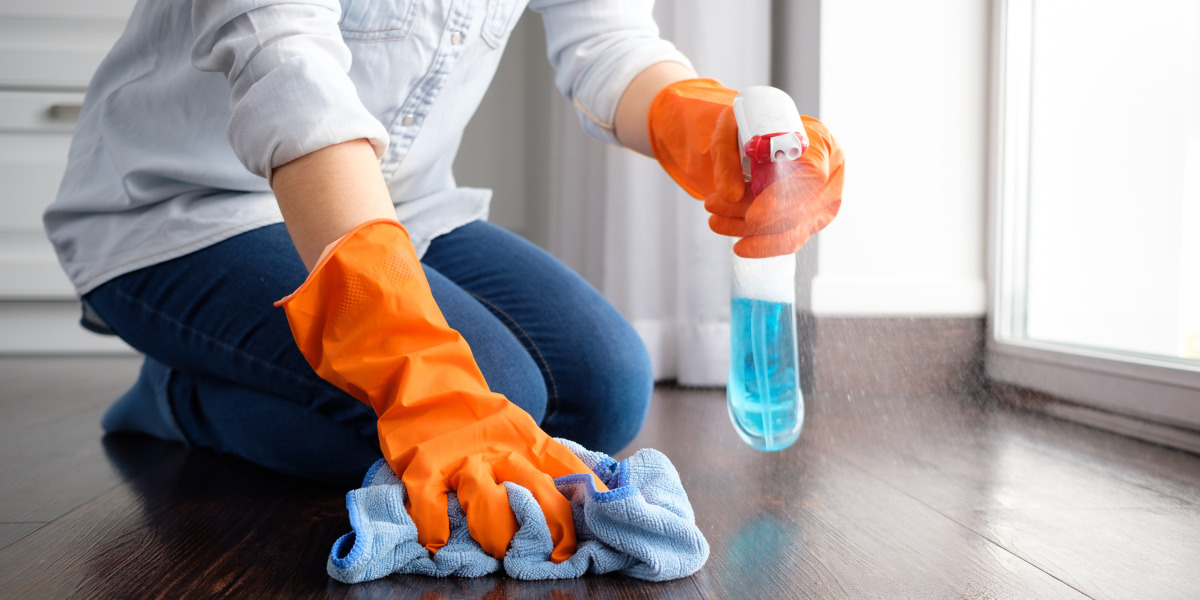
Effective deep cleaning requires a structured approach, the right tools, and specialized cleaning products. Start by decluttering spaces to access all surfaces. Dusting from top to bottom ensures that particles fall away from already cleaned areas. Microfiber cloths, mops, and brushes are ideal for capturing dust and grime without damaging surfaces. Steam cleaners and high-efficiency vacuums remove deep-seated dirt, allergens, and dust mites from carpets, upholstery, and curtains. Disinfectants should be applied to high-touch areas, kitchen surfaces, and bathrooms to eliminate bacteria and germs. In kitchens and bathrooms, scrubbing grout, tile, and behind appliances ensures a complete clean. Using a systematic checklist prevents missed areas and ensures thorough coverage, making deep cleaning more efficient and effective.
DIY Deep Cleaning Versus Professional Services
While some property owners may perform deep cleaning themselves, professional services provide significant advantages. Professionals have access to industrial-grade equipment, specialized cleaning solutions, and trained personnel capable of handling intensive tasks efficiently. They can clean larger spaces, hard-to-reach areas, and heavily soiled surfaces without causing damage. Professional services also reduce stress and save time for property owners, ensuring consistent, high-quality results. For those seeking reliable and thorough cleaning, hiring experts fo guarantees that every area of a property is sanitized, dust-free, and maintained according to the highest standards.
Preventive Measures to Reduce the Need for Frequent Deep Cleaning
Although deep cleaning is necessary periodically, preventive measures can reduce its frequency and intensity. Regular standard cleaning helps manage dust and debris before it becomes deeply embedded. Using doormats and removing shoes indoors minimizes dirt accumulation. Promptly addressing spills and stains prevents long-term damage and difficult cleaning tasks. Organizing and decluttering spaces not only improves efficiency during deep cleaning but also reduces dust collection areas. Routine inspections of appliances, HVAC systems, and plumbing can prevent buildup that complicates deep cleaning. These preventive steps enhance the effectiveness of both standard and deep cleaning practices while maintaining a cleaner and healthier environment.
Seasonal and Situational Deep Cleaning
Deep cleaning is often scheduled based on seasonal needs or specific circumstances. Spring cleaning typically includes washing windows, cleaning air vents, carpets, and upholstery, and addressing allergens that accumulate over winter. Summer may require attention to outdoor furniture, patios, and decks, especially after pollen and dust exposure. Fall involves clearing leaves, preparing indoor spaces for increased heating, and addressing moisture accumulation. Winter deep cleaning focuses on indoor air quality, humidity control, and preventing mold growth. Additionally, situations such as moving into a new property, preparing for events, or post-construction cleanup necessitate comprehensive deep cleaning to ensure a pristine environment.
Tools and Products for Efficient Deep Cleaning
Having the right tools and products makes deep cleaning efficient and effective. High-efficiency vacuums, microfiber cloths, steam cleaners, scrub brushes, and mop systems are essential. Cleaning solutions, disinfectants, and eco-friendly detergents provide safe and effective cleaning for different surfaces. Carpet and upholstery cleaners help remove embedded dirt and allergens, while specialized tools such as grout brushes or window squeegees address challenging areas. Gloves, masks, and protective eyewear ensure safety during intensive cleaning tasks. Investing in quality cleaning tools and products not only improves results but also reduces the time and effort required for deep cleaning.
Common Misconceptions About Deep Cleaning
Several misconceptions surround deep cleaning. Some people assume that standard cleaning alone is sufficient to maintain hygiene and appearance, but deep cleaning addresses hidden dirt, mold, and bacteria that routine cleaning misses. Others believe deep cleaning is only necessary in visibly dirty areas, but microbes and allergens can accumulate in unnoticed spaces. Another misconception is that deep cleaning is excessively expensive or time-consuming; while it requires more effort than standard cleaning, regular scheduling prevents overwhelming buildup and costly repairs. Understanding these misconceptions helps property owners plan and execute deep cleaning effectively.
Benefits of Consistent Deep Cleaning
The benefits of deep cleaning extend beyond aesthetics. It promotes health by reducing allergens, bacteria, and mold, creating a safer environment for residents, employees, and visitors. Deep cleaning also protects property assets, including flooring, carpets, furniture, and appliances, by removing substances that accelerate wear and damage. For commercial properties, it enhances employee productivity, client impressions, and overall reputation. Deep cleaning also improves air quality, reduces odors, and creates a welcoming environment. Implementing regular deep cleaning routines ensures that properties remain hygienic, attractive, and well-maintained, ultimately supporting long-term health, efficiency, and property value.
Cost and Time Efficiency of Deep Cleaning
Though deep cleaning requires more time and resources than standard cleaning, it is cost-effective in the long run. Regularly deep-cleaned surfaces and systems experience less wear and tear, reducing maintenance costs. Efficient use of tools and products, along with professional services when needed, ensures thorough cleaning without unnecessary effort. Scheduling periodic deep cleaning prevents overwhelming buildup, making future cleaning faster and more manageable. Investing in deep cleaning improves both the short-term appearance and long-term durability of a property, balancing effort with long-term financial and operational benefits.
Conclusion
Deep cleaning is an essential component of property maintenance, providing health, safety, and aesthetic benefits. Unlike standard cleaning, deep cleaning targets hidden, hard-to-reach, and high-touch areas, removing dirt, allergens, and germs that accumulate over time. Kitchens, bathrooms, living spaces, carpets, upholstery, and outdoor areas all require attention during a comprehensive deep cleaning routine. While DIY deep cleaning is possible, professional services ensure thorough, efficient, and high-quality results. By combining preventive measures, seasonal maintenance, and proper techniques, property owners and managers can maintain clean, safe, and inviting environments. Consistent deep cleaning enhances property value, health, and overall comfort, making it an indispensable practice for both homes and commercial spaces.