What is Construction Dumpster Rental and Why It’s Essential
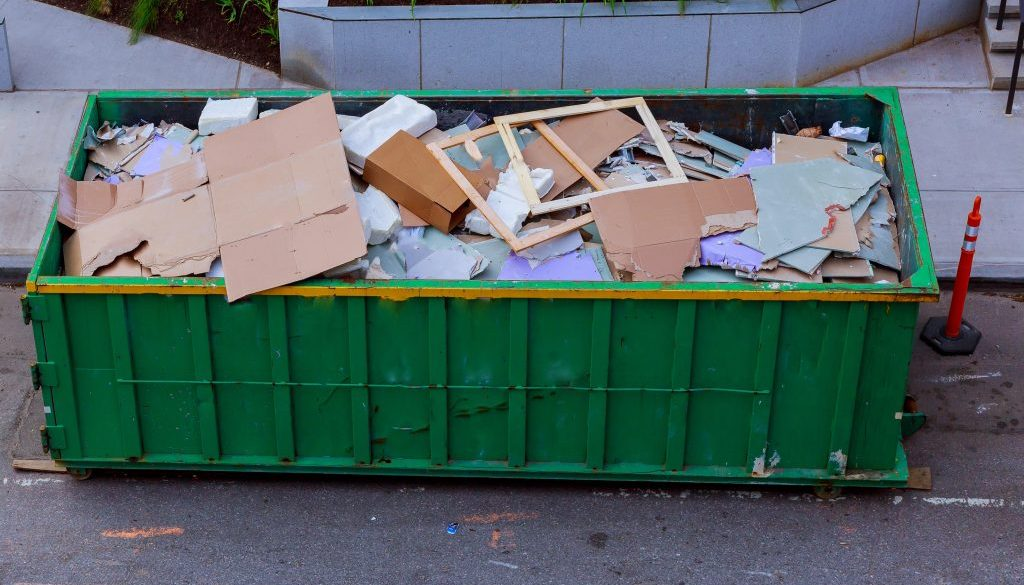
Construction dumpster rental is a service that provides large, durable waste containers to construction sites for temporary use. These dumpsters are specifically designed to handle the heavy and bulky debris generated during construction, renovation, or demolition projects. By renting a construction dumpster, contractors and project managers can keep their worksite organized, safe, and efficient.
The process is straightforward. The rental company delivers a dumpster to the construction site at a scheduled time, allowing workers to dispose of materials such as concrete, wood, metal, drywall, and packaging. Once the dumpster is filled, the company returns to pick it up and disposes of the contents according to local regulations. Construction dumpster rental ensures that projects are not delayed by scattered debris or multiple trips to a landfill, saving both time and money.
Benefits of Construction Dumpster Rental
Using a construction dumpster provides numerous advantages. One of the primary benefits is efficiency. By providing a centralized location for waste disposal, workers can focus on the project without interruption. This minimizes downtime and keeps the site organized.
Safety is another key benefit. Construction sites can be hazardous, and debris scattered around the area can increase the risk of accidents or injuries. A construction dumpster keeps the waste contained, reducing these risks significantly.
Construction dumpster rental is also environmentally responsible. Many rental companies sort materials for recycling and dispose of hazardous waste according to regulations, minimizing the environmental impact of the project.
Types of Construction Dumpsters
There are several types of construction dumpsters available depending on the project requirements:
- Roll-Off Dumpsters: These are the most common for construction projects. They are large, open-top containers that can handle heavy debris such as concrete, wood, and metal. Roll-off dumpsters come in various sizes, typically from 10 to 40 cubic yards.
- Front-Load Dumpsters: These dumpsters are often used for commercial construction sites with daily waste. They are lifted by specialized trucks and ideal for ongoing waste disposal.
- Specialty Dumpsters: For projects that generate hazardous waste, electronic waste, or recyclable materials, specialty dumpsters are available to ensure safe and compliant disposal.
Choosing the right type of dumpster ensures that your project remains cost-effective and meets safety and environmental standards.
How to Choose the Right Construction Dumpster Size
Selecting the proper size is crucial for a smooth project workflow. Small renovation projects might only require a 10- or 15-yard dumpster. Medium-sized projects, such as a home addition or office renovation, may need a 20- to 30-yard dumpster. Large construction sites, like commercial buildings or demolition projects, often require 40-yard containers.
Choosing a dumpster that is too small will result in multiple pickups, causing delays and added costs. Conversely, renting a dumpster that is too large can be unnecessarily expensive. Most rental companies provide sizing guidance based on the type of materials and the scale of your project.
Common Uses of Construction Dumpster Rental
Construction dumpsters are used in various scenarios. Residential projects such as kitchen remodels, bathroom renovations, and basement cleanouts all benefit from these containers. Commercial projects, including office renovations, store construction, and warehouse upgrades, also rely on construction dumpster rental to manage large volumes of debris efficiently.
Demolition projects, both residential and commercial, generate significant debris that must be removed quickly and safely. Construction dumpsters are designed to handle heavy loads such as concrete, bricks, tiles, and wood, making them ideal for demolition waste management.
Yard cleanup and landscaping projects often produce large quantities of organic waste, including branches, soil, and grass clippings. Construction dumpsters provide a convenient solution for disposing of these materials while keeping the project site organized.
Tips for Efficient Construction Dumpster Rental
To maximize the benefits of construction dumpster rental, careful planning is necessary. Place the dumpster in an accessible area where trucks can easily deliver and pick it up. Ensure that the location complies with local regulations and does not obstruct traffic or utilities.
Avoid overfilling the dumpster, as most companies have weight and volume limits. Exceeding these limits may result in additional fees. Separate hazardous waste or recyclables from general construction debris to comply with regulations and promote environmental responsibility.
Schedule delivery and pickup to align with your project timeline. Planning ahead ensures that waste disposal does not cause delays or disrupt workflow. Communicate clearly with your rental company about the type of materials and project size to get accurate pricing and the right dumpster type.
Cost Factors for Construction Dumpster Rental
The cost of construction dumpster rental depends on several factors:
- Size of the Dumpster: Larger dumpsters cost more due to increased capacity.
- Type of Waste: Disposal of heavy or hazardous materials may incur extra fees.
- Rental Duration: Longer rental periods typically cost more.
- Location and Disposal Fees: Local landfill and recycling fees can influence the final price.
Residential construction projects usually range from $300 to $700, while large commercial projects can cost between $800 and $2,000 or more. Despite the expense, construction dumpster rental saves time, reduces labor costs, and ensures a safer, cleaner work environment.
Environmental Benefits of Construction Dumpster Rental
Many construction dumpster rental companies prioritize environmentally friendly practices. Materials such as metal, wood, and concrete are often sorted and recycled. Hazardous waste is handled according to strict regulations, preventing environmental contamination. Choosing a rental company that emphasizes sustainability allows your project to be eco-friendly while managing large volumes of debris efficiently.
Proper disposal practices also reduce landfill usage and promote responsible construction methods. Using a construction dumpster helps ensure your project meets environmental compliance standards and contributes to a cleaner community.
Common Mistakes to Avoid When Renting a Construction Dumpster
Some of the most common mistakes include selecting the wrong dumpster size, overfilling the container, and failing to separate hazardous materials or recyclables. Placing the dumpster in an inaccessible area or failing to schedule timely pickup can also disrupt project workflow and increase costs.
Additionally, not verifying the credentials of the rental company can lead to delays or improper waste disposal. Always choose a licensed, insured, and reputable provider to ensure smooth and compliant dumpster rental service.
Conclusion: Construction Dumpster Rental for Every Project
Construction dumpster rental is a vital service for managing large-scale waste efficiently. It provides convenience, safety, organization, and environmental responsibility. Understanding the types, sizes, benefits, and rental process ensures that your project runs smoothly and efficiently. Whether you are remodeling a home, handling a commercial construction site, or managing a demolition project, a construction dumpster rental service makes waste disposal easier, faster, and more organized. Renting a construction dumpster saves time, reduces stress, and promotes responsible waste management, making it an essential solution for projects of any size.