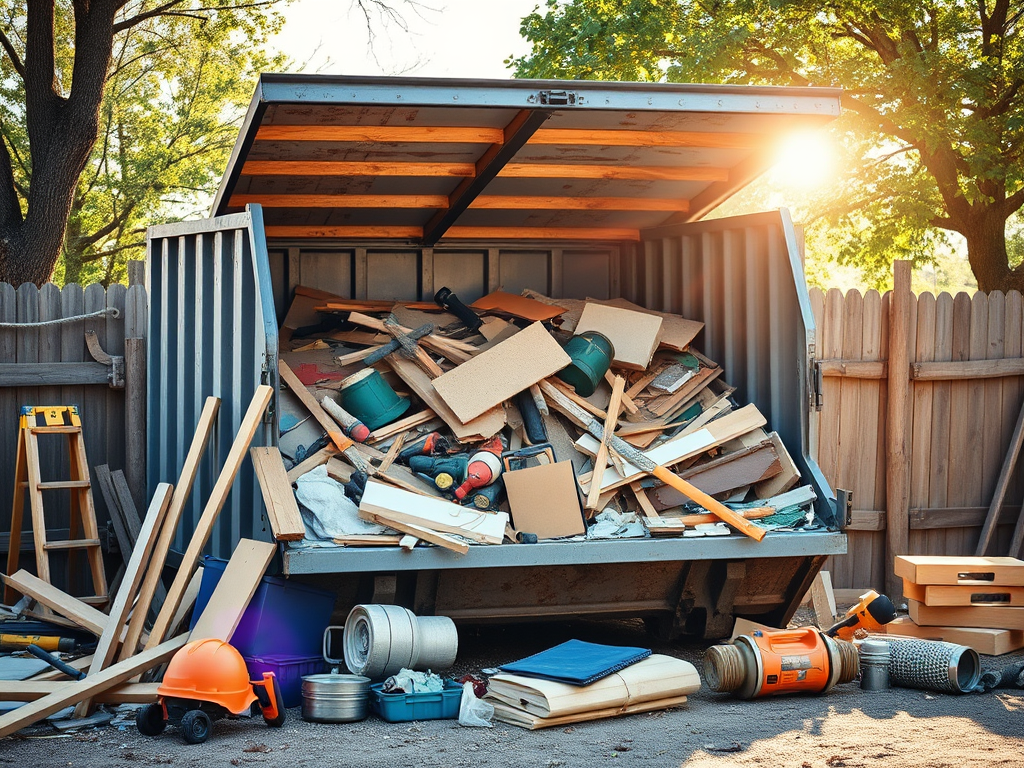
Efficient waste management is often overlooked, yet it is one of the most critical aspects of any renovation, construction, or large-scale cleanout project. Without a clear plan for debris disposal, waste can quickly accumulate, slowing progress, creating hazards, and adding unnecessary stress. Projects of any size from home remodels to commercial upgrades benefit greatly from a structured approach to managing materials that need to be discarded.
Large-capacity waste containers have become an essential tool in tackling these challenges. They allow homeowners, contractors, and project managers to streamline the removal of debris, maintain safer workspaces, and keep projects on schedule. Understanding how these containers work, the types of projects that benefit most, and how to plan their use effectively can make a significant difference in the efficiency and success of any project.
The Importance of Effective Waste Planning
Every project that generates debris faces the same challenge: what to do with the waste. Improper disposal can lead to blocked work areas, safety hazards, and even regulatory issues. Accumulated debris increases the risk of trips, falls, and accidents, while slowing down the workflow. Therefore, waste planning should be considered as early as budgeting and scheduling.
Proper planning allows materials to be removed systematically, reducing the need for multiple trips to disposal facilities. It also prevents overloading smaller containers and keeps the work area organized. Centralizing waste in one large container not only improves efficiency but also allows workers or homeowners to focus on the actual project rather than constant cleanup.
What Defines a Large-Capacity Waste Container
Large-capacity waste containers are designed to hold significant volumes of debris, accommodating bulky or heavy materials such as wood, drywall, roofing shingles, furniture, and yard waste. Their generous size minimizes the need for frequent emptying, making them ideal for projects with substantial waste production.
One commonly selected option is the 20 yard dumpster, which strikes a balance between capacity and manageable footprint. It is large enough to handle a significant amount of debris without overwhelming the space it occupies. This versatility makes it suitable for both residential and commercial projects, ranging from home remodels to office renovations.
Projects That Benefit Most from Large Containers
Large waste containers are invaluable in a variety of scenarios, including:
- Home renovations: Kitchen, bathroom, and full interior remodels generate large amounts of debris. Cabinets, flooring, fixtures, and drywall can quickly pile up, making cleanup challenging without a centralized container.
- Roofing projects: Old shingles, underlayment, and other roofing materials are heavy and bulky, requiring a solution that can safely accommodate them.
- Property cleanouts: Estate cleanouts, garage decluttering, and storage unit clearing often reveal large quantities of items that cannot be managed with regular trash bins.
- Commercial renovations: Office remodels, retail upgrades, and restaurant renovations involve furniture, fixtures, and construction debris that need efficient disposal.
- Landscaping projects: Tree branches, soil, sod, and other materials can accumulate rapidly during extensive landscaping work.
In each of these cases, having a single, properly sized container on-site simplifies debris management, keeps the workspace organized, and ensures the project continues efficiently.
Capacity Considerations and Load Management
Capacity is a crucial factor when selecting a waste container. While it is typically measured in cubic yards to represent volume, weight limits also need to be considered, especially for heavy materials like concrete, roofing shingles, or metal.
A mid-to-large container can often hold the equivalent of several truckloads of debris, reducing the need for multiple trips to disposal facilities. Even so, materials should be distributed evenly, and containers should not be overfilled beyond their top edge. Overloading can create safety risks during transport and may result in additional fees.
Estimating the type and amount of waste your project will generate is essential to selecting a container that meets your needs efficiently. Proper planning ensures cost-effectiveness while avoiding unnecessary delays.
Materials Commonly Accepted and Restricted
Most large waste containers accept a wide variety of materials, which can include construction debris, household junk, furniture, wood, metal, and yard waste. These containers provide a convenient way to handle a mix of materials in a single disposal unit.
However, some items are restricted. Hazardous materials such as chemicals, paints, batteries, and certain electronics cannot be disposed of in these containers. Items like tires and appliances containing refrigerants also require specialized handling. Understanding these restrictions before selecting a container ensures compliance with disposal regulations and avoids delays.
Sorting materials when possible can improve recycling rates and reduce environmental impact. Many disposal facilities separate recyclable materials such as metal, wood, and cardboard once the container is collected.
Environmental Responsibility and Waste Reduction
Responsible waste management goes beyond convenience. Proper disposal prevents landfill overuse and supports recycling initiatives. By thoughtfully planning the size of your container and the type of materials you place inside, you can reduce unnecessary waste and increase efficiency.
The 20 yard dumpster is often selected for its ability to handle diverse materials without encouraging excessive waste. Its balanced size promotes careful planning while still accommodating large amounts of debris, helping project managers and homeowners maintain both efficiency and environmental responsibility.
Safety and Site Organization Benefits
Maintaining a clean and organized work site is critical for safety. Loose debris scattered across a property can lead to trips, falls, and other accidents. Centralizing waste in a single, easily accessible container keeps walkways clear and reduces hazards for everyone on-site.
Large containers are designed to simplify loading, often featuring doors or low sides that reduce physical strain. With debris contained and organized, projects move faster, accidents are minimized, and workers can focus on completing the task efficiently.
Additionally, proper waste management improves relationships with neighbors or nearby businesses by reducing clutter, noise, and the visual impact of the project.
Cost Efficiency and Time Savings
While renting a large container comes with an upfront cost, it often saves money in the long run. Fewer trips to disposal facilities mean lower fuel costs, less wear on vehicles, and reduced labor expenses.
Having a centralized disposal solution also keeps projects on schedule. Workers are not delayed by searching for places to dump waste or waiting for smaller containers to be emptied. Choosing a container that aligns with your project’s scale ensures you only pay for what you need while maximizing convenience.
Planning Placement and Accessibility
Proper placement of a large waste container is key for both efficiency and safety. Ideally, it should be positioned on flat, stable ground that allows easy access for loading. The location should not obstruct essential pathways or access points.
Additionally, planning for pickup and removal is important. Ensuring clear space around the container allows for safe and efficient transport once it is full. Thoughtful placement minimizes disruptions and keeps the work area fully functional throughout the project.
Making the Right Choice for Your Project
Selecting the right container involves balancing capacity, project type, and duration. Overestimating size can result in paying for unused capacity, while underestimating may lead to overflow and additional trips.
For many medium to large-scale projects, the 20 yard dumpster provides a practical balance of size and versatility. It can accommodate substantial debris without overwhelming the space, making it a reliable choice for residential, commercial, and outdoor projects alike.
Final Thoughts on Efficient Waste Management
20 yard dumpster solutions play a vital role in efficient waste management, helping projects stay organized, safe, and on schedule. Proper disposal planning can significantly reduce stress, prevent accidents, and keep your project moving smoothly. Large-capacity containers simplify cleanup, support responsible disposal practices, and allow workers or homeowners to concentrate on completing the project efficiently.
By understanding how these containers work, the materials they can handle, and the best ways to plan their use, waste management becomes a seamless part of the project rather than a recurring challenge. When approached thoughtfully, it is possible to maintain a safe, organized, and environmentally responsible site while completing projects on time and within budget.