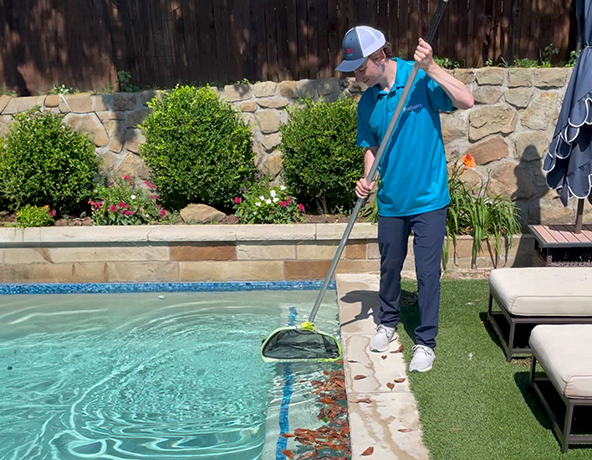
Water features have long symbolized relaxation, luxury, and recreation. From ancient communal baths to modern residential retreats, structured aquatic spaces continue to play an important role in how people unwind, exercise, and socialize. Behind every well-designed and durable swimming structure lies a complex process that blends engineering, design, construction expertise, and long-term maintenance planning says InterWest Properties Beaverton. This article offers an in-depth exploration of the professional discipline involved in creating and sustaining these environments, with a focus on the responsibilities, skills, and value delivered by a pool contractor.
The Evolution of Constructed Aquatic Spaces
The concept of purpose-built swimming structures dates back thousands of years. Early civilizations developed bathing pools not only for hygiene but also for social and ceremonial purposes. These early designs relied on stone, clay, and gravity-fed water systems, demonstrating an impressive understanding of materials and hydraulics for their time.
As societies advanced, so did expectations. Private and public aquatic facilities became more refined, incorporating decorative elements, improved filtration, and enhanced safety. The modern era introduced reinforced materials, advanced circulation systems, and strict construction standards. Today’s aquatic spaces are the result of centuries of refinement, where tradition meets innovation through professional expertise.
Understanding the Scope of Professional Responsibility
Creating a functional and lasting swimming structure involves far more than excavation and filling a basin with water. The professional overseeing such projects must coordinate design, engineering, material selection, construction sequencing, and regulatory compliance. This wide scope of responsibility ensures that the final structure is not only visually appealing but also safe, durable, and efficient.
A pool contractor manages each stage of the process, from initial consultation to final inspection. This includes evaluating site conditions, understanding client goals, and translating conceptual ideas into practical designs. Clear communication and detailed planning are essential, as even minor miscalculations can affect structural integrity or long-term performance.
Design Principles and Customization
Every aquatic project begins with design. This phase balances aesthetics, functionality, and feasibility. Shape, depth, circulation patterns, and surrounding features must all work together harmoniously. Design decisions influence not only how the space looks but also how it feels and functions for users.
Customization plays a significant role in modern projects. Clients often seek unique layouts, integrated seating, water features, or specialized lighting. Each customization requires careful planning to ensure compatibility with structural and mechanical systems. A skilled pool contractor understands how to adapt designs without compromising safety or durability.
Equally important is the surrounding environment. Decking, drainage, and transitions between the pool and adjacent spaces must be thoughtfully planned to prevent water damage and enhance usability. Good design considers how people move through and interact with the space over time.
Engineering and Structural Integrity
Beneath the surface, engineering is the foundation of every successful aquatic structure. Soil conditions, load distribution, and water pressure all influence construction methods. Reinforcement, shell thickness, and material choice must align with engineering calculations to prevent cracking, shifting, or leakage.
Hydraulic systems are another critical component. Proper circulation ensures water quality, efficient filtration, and consistent temperature distribution. Incorrect system sizing or layout can lead to stagnant water, increased maintenance costs, and premature equipment failure.
Electrical systems, including lighting and automation, require strict adherence to safety standards. Integration of these systems demands coordination among multiple specialists, all overseen by a knowledgeable pool contractor who ensures compliance and functionality.
Materials and Technological Advancements
Modern aquatic construction benefits from a wide range of advanced materials. Concrete formulations, composite liners, and specialized finishes offer improved strength, longevity, and aesthetic flexibility. Each material has unique properties that influence maintenance requirements and overall lifespan.
Technology has also transformed how these projects are built and managed. Digital design tools allow for precise modeling and visualization, helping clients understand outcomes before construction begins. Automation systems now control filtration, heating, and lighting, enhancing efficiency and user convenience.
Sustainability has become an increasingly important consideration. Energy-efficient pumps, improved insulation, and water-saving features reduce operational costs and environmental impact. Professionals who stay current with these innovations can deliver solutions that align with modern expectations.
Construction Process and Quality Control
The construction phase is where planning becomes reality. Excavation, structural work, system installation, and finishing must follow a carefully sequenced plan. Each step builds upon the previous one, making attention to detail essential.
Quality control is maintained through regular inspections and testing. Structural components are checked for accuracy, systems are pressure-tested, and finishes are evaluated for consistency. Addressing issues early prevents costly repairs and ensures a high-quality final result.
Coordination among trades is another key responsibility. Electricians, plumbers, and finish specialists must work in sync to avoid conflicts and delays. Effective oversight ensures that timelines are met without sacrificing workmanship.
Safety Standards and Compliance
Safety is a central concern in aquatic construction. Regulations govern everything from structural requirements to barrier placement and electrical grounding. Compliance with these standards protects users and reduces liability for property owners.
Beyond regulatory compliance, professionals often recommend additional safety features such as non-slip surfaces, gradual entry points, and clear depth markers. These considerations enhance usability and peace of mind, particularly for families and shared facilities.
A pool contractor in Fort Lauderdale must remain informed about evolving standards and ensure that every project meets or exceeds current requirements. This commitment to safety reflects professionalism and responsibility.
Maintenance Planning and Long-Term Performance
The completion of construction marks the beginning of the operational phase. Proper maintenance is essential to preserve water quality, structural integrity, and visual appeal. Professionals play a key role in educating owners about routine care and long-term upkeep.
Maintenance planning includes guidance on cleaning schedules, chemical balance, and equipment servicing. Design and material choices made during construction directly affect maintenance demands, highlighting the importance of informed decision-making early in the process.
Many owners choose to establish ongoing service relationships to ensure consistent performance. A knowledgeable pool contractor can provide valuable support, addressing issues promptly and extending the lifespan of the investment.
Value, Experience, and Lifestyle Impact
Well-designed aquatic spaces offer more than recreation; they enhance quality of life. Whether used for exercise, relaxation, or social gatherings, these environments become focal points of daily living. Their presence can also increase property appeal and perceived value.
From a financial perspective, professional construction reduces the risk of costly repairs and operational inefficiencies. Quality workmanship and durable materials translate into long-term savings and satisfaction.
Experience matters greatly in achieving these outcomes. Professionals who combine technical expertise with thoughtful design deliver results that endure both structurally and aesthetically.
Challenges and Industry Adaptation
Like many construction-related fields, aquatic development faces challenges related to material costs, skilled labor availability, and changing regulations. Client expectations continue to rise, with increased demand for customization and sustainability.
Adapting to these challenges requires ongoing education and flexibility. Professionals must stay informed about new techniques, products, and standards while maintaining efficient operations. Those who embrace innovation without losing sight of fundamentals are best positioned for success.
Despite challenges, demand for well-crafted aquatic spaces remains strong. As people place greater value on wellness and home-centered recreation, professionally built swimming structures continue to be sought after.
The Future of Aquatic Construction
Looking ahead, the industry is expected to place greater emphasis on efficiency, automation, and environmentally responsible design. Smart systems will become more common, allowing owners to monitor and control operations remotely.
Materials will continue to improve, offering longer lifespans and reduced maintenance. At the same time, design trends will evolve, blending natural aesthetics with modern functionality.
Throughout these changes, the role of the pool contractor will remain central. Human judgment, problem-solving, and craftsmanship will continue to drive successful outcomes, even as technology advances.
Conclusion:
The creation of a high-quality swimming structure is a complex endeavor that demands skill, planning, and accountability. From initial concept to long-term care, every stage requires informed decisions and precise execution.
By understanding the depth of expertise involved, property owners can better appreciate the value of professional involvement. A well-executed project delivers safety, enjoyment, and durability, becoming a lasting asset rather than a recurring concern.
In a world where leisure and wellness are increasingly prioritized, expertly crafted aquatic spaces stand as a testament to thoughtful design and disciplined construction. Through experience, innovation, and commitment to quality, a trusted pool contractor plays an essential role in bringing these environments to life and ensuring they remain enjoyable for years to come.