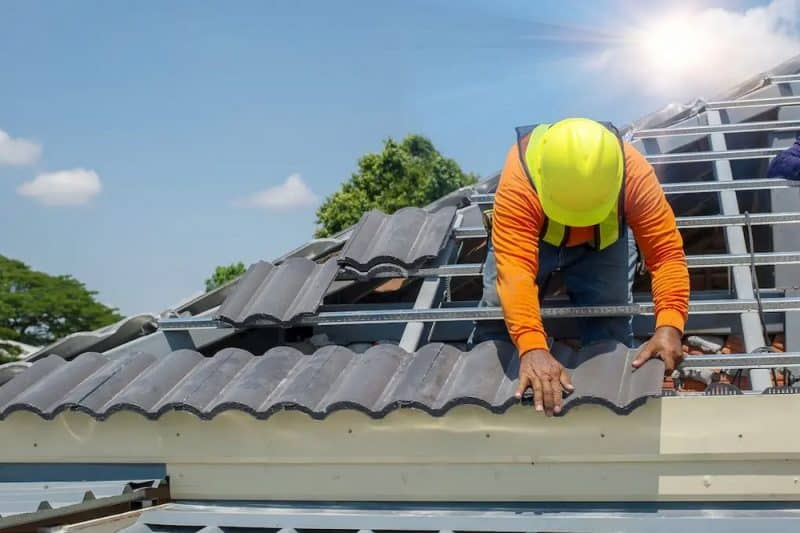
A roof is one of the most critical components of any building, providing protection against weather, regulating indoor temperature, and maintaining structural integrity says Yamhill County Property Management. Over time, exposure to sun, rain, wind, and other environmental factors can compromise a roof’s performance. When damage becomes extensive or aging materials fail, roof replacement is necessary to safeguard the property and ensure lasting durability.
This article explores roof replacement in depth, examining the planning, materials, installation process, and long-term benefits. It emphasizes why hiring a professional is essential for a successful and reliable roof replacement.
Understanding the Importance of Roof Replacement
Roof replacement is more than an aesthetic upgrade; it is essential for the safety and longevity of a building. A deteriorating roof can lead to leaks, water damage, mold growth, and structural problems. Timely replacement prevents costly repairs, maintains property value, and ensures occupant safety.
Professional roof replacement addresses both visible damage and underlying issues. Experienced contractors can detect hidden problems such as rotting decking, compromised insulation, or improperly installed flashing, ensuring that the new roof performs optimally for years to come.
Signs That Roof Replacement Is Necessary
Identifying when a roof needs replacement is crucial to avoid further damage. Common indicators include:
- Missing, cracked, or curling shingles: Signifying wear and exposure to the elements.
- Leaks and water damage: Stains on ceilings, walls, or attic spaces.
- Sagging roof deck: Suggesting structural weakness or water infiltration.
- Age of the roof: Asphalt shingles typically last 20–25 years, while other materials may have different lifespans.
- Granule loss: Accumulation of granules in gutters indicates shingles are breaking down.
Professional inspections provide a comprehensive assessment, confirming whether repairs or full replacement are needed.
Choosing the Right Roofing Materials
Roofing material selection significantly impacts the roof’s durability, aesthetics, and cost. Common options include:
- Asphalt shingles: Affordable, versatile, and easy to install, with moderate lifespan.
- Metal roofing: Long-lasting, energy-efficient, and resistant to extreme weather.
- Tile roofing: Durable and visually appealing, often used in Mediterranean-style architecture.
- Slate roofing: Extremely long-lasting and elegant, but heavy and expensive.
- Synthetic materials: Composite or engineered products offer durability and design flexibility.
A professional roofing contractor helps select materials that match the building’s style, climate conditions, and budget.
Planning and Preparation for Roof Replacement
Effective roof replacement begins with thorough planning. Professionals assess the current roof, measure dimensions, evaluate structural integrity, and develop a detailed plan for materials, labor, and timeline.
Preparation also involves obtaining necessary permits, arranging for safety measures, and protecting property and landscaping. Proper planning minimizes risks, ensures compliance with local regulations, and streamlines the installation process.
Removing the Old Roof
The removal of the existing roof is a critical step in replacement. This involves:
- Stripping old shingles or roofing material.
- Inspecting the underlying decking for damage or rot.
- Repairing or replacing damaged sections to ensure a solid foundation for the new roof.
Careful removal prevents damage to the building structure and ensures the new roof can be installed correctly.
Installation of the New Roof
Roof installation requires precision and expertise to ensure longevity and performance. Key steps include:
- Installing underlayment: Provides additional moisture protection beneath the roofing material.
- Flashing installation: Seals joints, chimneys, vents, and skylights to prevent leaks.
- Shingle or material application: Professionals follow manufacturer guidelines and best practices for spacing, alignment, and fastening.
- Ventilation and insulation: Proper ventilation prevents heat buildup and moisture problems in the attic.
Professional installation ensures that the roof functions efficiently, resists weather damage, and maintains structural integrity.
Safety Considerations During Roof Replacement
Roof replacement is inherently risky due to height, heavy materials, and exposure to weather. Professional contractors follow strict safety protocols, including fall protection, scaffolding, and proper handling of tools and equipment.
Safety measures protect workers and minimize the risk of accidents, making professional installation a safer and more reliable choice compared to DIY approaches.
Post-Installation Inspection and Maintenance
After roof replacement, a thorough inspection ensures that all materials are properly installed, flashing is secure, and ventilation systems are functioning. This step verifies the roof’s integrity and performance.
Regular maintenance, such as clearing debris, inspecting for damage, and checking gutters, extends the roof’s lifespan. A well-maintained roof protects the building and reduces the need for costly repairs.
Benefits of Professional Roof Replacement
Professional roof replacement offers multiple advantages:
- Durability: Ensures the roof withstands environmental stresses for decades.
- Enhanced safety: Reduces the risk of leaks, structural damage, and health hazards.
- Energy efficiency: Proper installation and material selection improve insulation and energy savings.
- Aesthetic appeal: Enhances the building’s appearance and property value.
- Warranty protection: Many professional installations include manufacturer and labor warranties for added security.
These benefits demonstrate why professional expertise is critical for long-term success.
Cost Considerations and Investment Value
Roof replacement represents a significant investment, but the long-term benefits often outweigh the initial cost. Material selection, roof complexity, labor, and structural repairs influence pricing.
Investing in quality materials and professional installation ensures the roof provides protection, energy efficiency, and aesthetic value for many years, reducing the likelihood of expensive repairs later.
Roof Replacement as a Strategic Home or Building Upgrade
Replacing a roof is not only a maintenance task it is a strategic upgrade that improves structural integrity, energy efficiency, and visual appeal. For property owners, it enhances market value and provides peace of mind knowing the building is protected from weather-related damage.
Professional roof replacement in Nolensville combines technical expertise, high-quality materials, and detailed planning to deliver a long-lasting, safe, and visually appealing result.
Conclusion: Ensuring Long-Term Protection Through Expert Roof Replacement
Roof replacement is a critical process that safeguards buildings, protects occupants, and maintains property value. From initial assessment and material selection to removal, installation, and post-installation inspection, every stage requires precision, safety, and professional expertise.
Engaging a qualified roofing contractor ensures that the replacement is completed efficiently, complies with industry standards, and provides long-term durability. Expert roof replacement is an investment in safety, comfort, and lasting performance, giving property owners confidence and peace of mind.