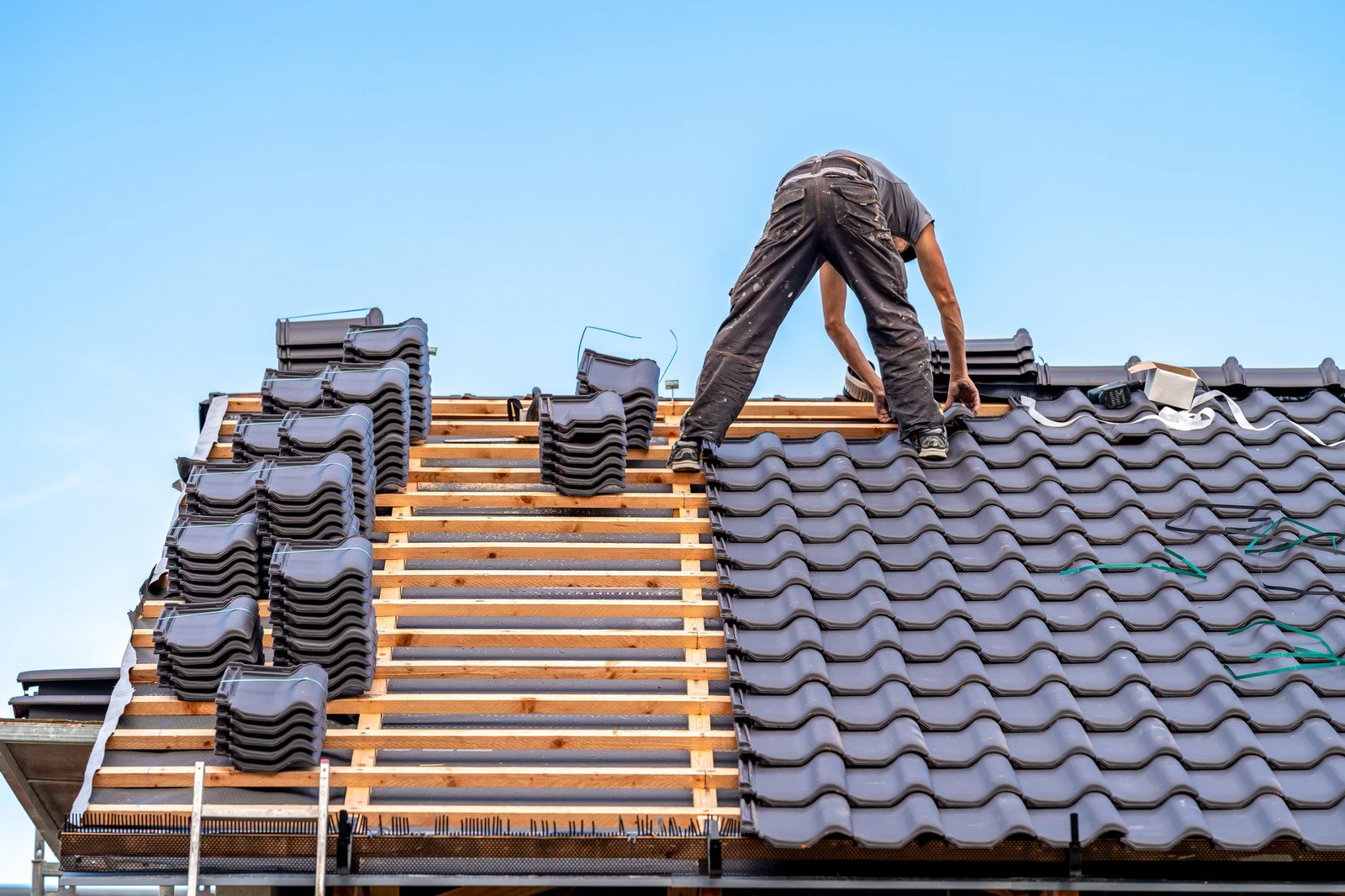
Roof installation is one of the most significant investments a homeowner can make, as it directly impacts the safety, energy efficiency, and overall value of a property says Clark County Property Management. The roof serves as the primary barrier against weather, environmental elements, and natural wear, making proper installation crucial for long-term performance and durability. Whether constructing a new home or replacing an aging roof, professional roof installation ensures that the structure is secure, aesthetically appealing, and capable of withstanding the test of time.
A properly installed roof is more than just protection from rain, snow, or sunlight. It also contributes to energy efficiency, reduces maintenance costs, and enhances the overall comfort of a home. Conversely, poorly installed roofs can lead to leaks, structural damage, and higher utility bills, ultimately decreasing the value of the property. Understanding the importance of roof installation, choosing the right materials, and relying on professional expertise are essential steps for achieving a reliable and long-lasting roofing solution.
The Importance of Roof Installation
Roof installation is vital for several reasons, primarily safety, protection, and efficiency. The roof is the first line of defense against external threats, including severe weather conditions such as heavy rain, hail, snow, and strong winds. A correctly installed roof prevents water intrusion, protects the structural integrity of the home, and shields the interior from damage.
Energy efficiency is another critical consideration. Modern roofing systems, when properly installed, help maintain indoor temperatures, reducing the load on heating and cooling systems. Insulated roofing materials and reflective surfaces can lower energy consumption and utility costs while providing year-round comfort. Additionally, proper ventilation during installation ensures that moisture does not accumulate in the attic, preventing mold growth and material deterioration.
A professionally installed roof also improves the appearance and curb appeal of a home. Roof design, color, and material contribute significantly to a property’s overall aesthetic, influencing its market value and neighborhood appeal. Homeowners who prioritize quality roof installation benefit from increased longevity, performance, and peace of mind.
Types of Roofing Materials
Selecting the right roofing material is an essential step in the roof installation process. Each material offers unique advantages in terms of durability, cost, appearance, and maintenance requirements. Common roofing materials include:
Asphalt Shingles: Asphalt shingles are one of the most widely used roofing materials due to their affordability, versatility, and ease of installation. They come in various colors and styles, offering both durability and aesthetic appeal. Modern asphalt shingles can last 20 to 30 years with proper installation and maintenance.
Metal Roofing: Metal roofs are known for their strength, longevity, and energy efficiency. They resist extreme weather conditions, are fire-resistant, and can last up to 50 years or more. Metal roofing is ideal for homeowners seeking durability and low maintenance, although the initial investment is higher than asphalt.
Tile Roofing: Clay or concrete tiles provide a distinctive appearance and exceptional durability. Tile roofs are resistant to fire, rot, and insect damage, and they offer excellent insulation properties. However, they are heavy and require a reinforced structure for installation.
Wood Shingles and Shakes: Wood roofing offers a natural and timeless aesthetic. It provides good insulation and durability, although it requires regular maintenance to prevent damage from moisture, insects, and fire.
Synthetic Roofing Materials: Synthetic options, including rubber, plastic, and composite materials, combine durability with lower maintenance needs. They can mimic the appearance of natural materials while offering enhanced weather resistance and longevity.
The Roof Installation Process
Roof installation is a complex process that requires precision, expertise, and attention to detail. The steps involved typically include:
- Inspection and Preparation: The installation process begins with a thorough inspection of the roof deck, structural components, and surrounding areas. Any existing roofing materials are removed, and the surface is prepared for the new installation. Damaged decking or structural elements are repaired or replaced.
- Installation of Underlayment: Underlayment serves as an additional protective barrier against moisture, preventing leaks and prolonging the lifespan of the roof. It is carefully laid out and secured to ensure complete coverage.
- Flashing and Ventilation: Flashing is installed around chimneys, vents, and edges to prevent water intrusion. Proper ventilation is also essential to reduce moisture buildup and maintain energy efficiency.
- Roofing Material Installation: Depending on the chosen material, shingles, tiles, or metal panels are installed according to manufacturer specifications. This step requires precise alignment, secure fastening, and attention to detail to ensure optimal performance.
- Sealing and Finishing Touches: The roof is sealed to prevent leaks, and finishing elements such as ridge caps, gutters, and trim are installed. A final inspection ensures that the installation meets quality and safety standards.
Benefits of Professional Roof Installation
Professional roof installation provides numerous advantages compared to DIY efforts or inexperienced contractors.
Expertise and Precision: Skilled professionals understand the technical requirements of different roofing materials and installation methods. They ensure that each component is installed correctly for optimal performance.
Durability and Longevity: Professional installation maximizes the lifespan of the roofing system. Proper techniques prevent leaks, warping, and premature deterioration.
Safety: Roofing work involves heights, heavy materials, and specialized tools. Experienced contractors follow safety protocols to minimize risks and complete the project efficiently.
Warranty and Assurance: Many professional roofing contractors offer warranties on both materials and workmanship, providing homeowners with peace of mind and protection against future issues.
Time and Cost Efficiency: Professional installation reduces the likelihood of errors that could lead to costly repairs or replacements. Experienced crews complete the project efficiently, saving time and minimizing disruption.
Common Challenges in Roof Installation
Roof installation can present challenges, particularly in older homes or complex architectural designs. Structural issues, uneven surfaces, and weather conditions can affect installation quality. Selecting the wrong material or poor craftsmanship can lead to leaks, energy inefficiency, and reduced durability. Professional roof installers are equipped to address these challenges, ensuring that the final result meets safety standards, aesthetic expectations, and functional requirements.
Maintenance After Roof Installation
Even with a high-quality installation, routine maintenance is essential to prolong the life of a roof. Regular inspections help identify minor issues before they escalate. Cleaning debris, checking for damaged shingles or tiles, and ensuring gutters and drainage systems are functioning correctly prevent water damage and structural deterioration. Proper maintenance complements professional installation, providing long-term protection and performance.
Increasing Home Value with Roof Installation
Roof installation not only protects a home but also enhances its market value. A new or well-maintained roof improves curb appeal, energy efficiency, and overall property condition. Homes with professionally installed roofs often attract buyers more quickly and at higher prices. This makes roof installation a strategic investment for both immediate comfort and long-term financial benefits.
Choosing the Right Roof Installation Contractor
Selecting a qualified contractor is crucial for achieving reliable results. Homeowners should look for licensed, insured professionals with experience in the specific roofing material being installed. Transparent communication, detailed estimates, positive customer reviews, and clear warranties indicate a trustworthy service provider. The right contractor ensures that the roof is installed according to industry standards, building codes, and manufacturer specifications.
Conclusion
Roof installation is a vital investment that safeguards a home, enhances energy efficiency, and improves property value. From selecting the right materials to ensuring precise installation and long-term maintenance, every aspect of the process contributes to a durable and reliable roofing system.
Professional roof installation provides homeowners with expertise, safety, and peace of mind while maximizing the performance and lifespan of their roofs. With careful planning, high-quality materials, and skilled craftsmanship, roof installation transforms a home’s structure and appearance, offering lasting protection and value for years to come.