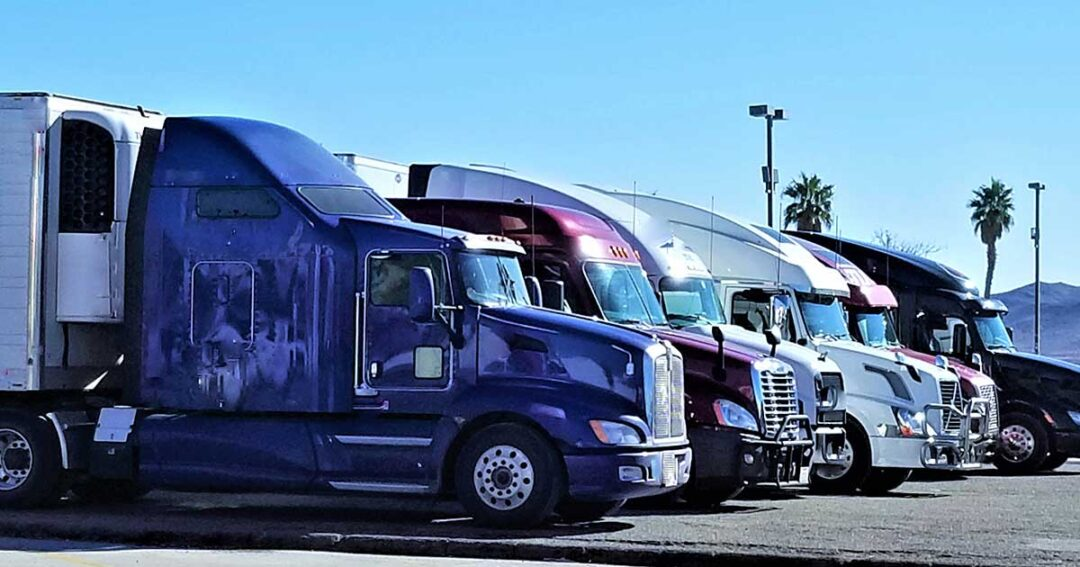
Parking for trucks has become one of the most pressing challenges in today’s transportation and logistics industry. As freight demand continues to grow and supply chains expand, the number of commercial trucks on the road has increased significantly. Despite this growth, truck parking infrastructure has not kept pace, creating ongoing difficulties for drivers, fleet operators, and logistics companies. Adequate and well-planned parking for trucks is essential not only for operational efficiency but also for safety, regulatory compliance, and driver well-being.
Truck drivers spend long hours on the road, often navigating tight schedules and strict regulations that govern driving time and rest periods. Without reliable access to parking, drivers are forced to make difficult decisions that can impact safety and compliance. Parking for trucks is far more than a convenience; it is a foundational element of a functional transportation system that supports commerce, public safety, and the overall economy.
The Importance of Parking for Trucks
Parking for trucks plays a vital role in maintaining road safety and regulatory compliance. Commercial drivers are required to follow hours-of-service regulations that mandate rest periods to prevent fatigue. Without sufficient parking options, drivers may struggle to find a safe place to stop when they are legally required to rest. This can lead to unsafe parking practices on highway shoulders, ramps, or unauthorized areas, increasing the risk of accidents and traffic disruptions.
Beyond safety, parking for trucks directly affects operational efficiency. When drivers spend excessive time searching for parking, productivity decreases and delivery schedules are disrupted. Fuel consumption increases as trucks idle or travel extra miles in search of available spaces. These inefficiencies ultimately increase operating costs for carriers and contribute to higher prices throughout the supply chain.
Parking availability also impacts driver satisfaction and retention. Truck driving is already a demanding profession, and the added stress of unreliable parking contributes to burnout and dissatisfaction. Providing adequate parking for trucks helps improve working conditions, supports driver health, and makes the industry more attractive to new drivers.
Challenges in Truck Parking Availability
One of the biggest challenges in parking for trucks is the imbalance between supply and demand. The number of trucks on the road has grown steadily, while the development of new parking facilities has lagged behind. Urbanization, land-use restrictions, and high property costs make it difficult to build new truck parking areas, especially near major freight corridors.
Another challenge lies in the location of available parking. Many truck parking facilities are concentrated along major highways, leaving gaps in regional and local networks. Drivers transporting goods to distribution centers, ports, or urban delivery points may find limited parking options near their destinations. This creates logistical challenges and forces drivers to plan routes around parking availability rather than efficiency.
Security concerns also affect parking for trucks. Cargo theft, vandalism, and unauthorized access are serious risks, particularly in unsecured or poorly lit areas. Drivers transporting high-value goods require safe parking options that offer lighting, surveillance, and controlled access. The lack of secure parking increases insurance costs and financial risk for carriers.
Types of Parking for Trucks
Parking for trucks comes in several forms, each serving different needs within the transportation ecosystem. Public truck parking areas, such as rest areas and highway service plazas, provide basic facilities for short-term stops. These locations are often free but limited in capacity and amenities, leading to frequent overcrowding.
Private truck parking facilities offer a wider range of services, including reserved spaces, security features, fueling stations, and maintenance support. These facilities may charge fees, but they provide reliability and peace of mind for drivers and fleet operators. Reserved parking options are particularly valuable for drivers who need guaranteed access after long shifts.
Industrial and warehouse-adjacent parking is another important category. Distribution centers and logistics hubs often provide on-site or nearby parking for trucks awaiting loading or unloading. This type of parking supports efficient freight movement and reduces congestion on public roads.
Some regions are also exploring shared-use or temporary parking solutions, such as repurposing underutilized lots or creating time-based parking zones. These innovative approaches help address short-term shortages and provide flexibility in areas with limited space.
Technology and Innovation in Truck Parking
Technology is playing an increasingly important role in improving parking for trucks. Digital platforms and mobile applications allow drivers to locate available parking in real time, reserve spaces in advance, and access facility information. These tools reduce uncertainty and help drivers plan routes more effectively.
Smart parking systems use sensors, cameras, and data analytics to monitor occupancy and optimize space utilization. By providing accurate information about availability, these systems reduce congestion and improve the overall efficiency of parking facilities. Fleet operators can integrate parking data into route planning and scheduling, further enhancing productivity.
Security technology is also advancing. Modern truck parking facilities increasingly incorporate surveillance cameras, access control systems, and lighting improvements. These measures deter theft and improve driver safety, making secure parking a key differentiator in the market.
The Role of Parking for Trucks in Supply Chain Efficiency
Parking for trucks has a direct impact on supply chain reliability and performance. Delays caused by parking shortages can ripple through the logistics network, affecting delivery times and inventory management. When drivers are unable to rest or stage vehicles efficiently, shipments may be delayed, and operational costs increase.
Efficient parking supports just-in-time delivery models by allowing drivers to coordinate rest periods with loading and unloading schedules. It also enables better utilization of assets, as trucks spend less time idle and more time moving goods. In this way, parking for trucks contributes to smoother, more predictable supply chain operations.
Ports, intermodal terminals, and distribution centers are particularly sensitive to parking availability. Congestion at these nodes can create bottlenecks that disrupt regional and national freight flows. Strategically located parking facilities near key logistics hubs help alleviate congestion and improve throughput.
Environmental Considerations
Parking for trucks also has environmental implications. When drivers struggle to find parking, they often idle engines or drive additional miles, increasing fuel consumption and emissions. Well-designed parking facilities reduce unnecessary driving and support more efficient operations.
Some truck parking facilities are incorporating sustainability features such as electric hookups to reduce idling, solar lighting, and stormwater management systems. These initiatives align with broader efforts to reduce the environmental footprint of the transportation sector while improving operational efficiency.
As alternative fuel and electric trucks become more common, parking infrastructure will need to adapt. Charging stations, maintenance support, and space for new vehicle configurations will become increasingly important components of truck parking design.
Regulatory and Policy Perspectives
Government policies and regulations play a significant role in shaping parking for trucks. Transportation authorities recognize the safety risks associated with inadequate parking and are increasingly investing in infrastructure improvements. Public-private partnerships are emerging as a way to expand capacity and leverage private sector expertise.
Zoning regulations and land-use policies can either hinder or support the development of truck parking facilities. Flexible zoning, incentives for development, and integration with freight planning initiatives help address shortages and encourage investment.
Compliance with hours-of-service regulations depends heavily on parking availability. Ensuring that drivers have access to safe and legal parking supports regulatory goals and reduces the likelihood of violations that compromise safety.
Best Practices for Effective Truck Parking Management
Effective parking for trucks requires thoughtful planning and management. Facility design should prioritize safety, accessibility, and ease of use. Clear signage, wide access lanes, and well-marked spaces improve traffic flow and reduce accidents within parking areas.
Amenities such as restrooms, showers, food options, and rest areas enhance driver comfort and well-being. While not strictly required, these features contribute to a better overall experience and support driver retention.
Pricing and reservation systems should be transparent and flexible, allowing drivers to choose options that fit their schedules and budgets. Reliable customer support and maintenance further enhance the value of professional truck parking facilities.
The Future of Parking for Trucks
The future of parking for trucks will be shaped by continued growth in freight demand, technological innovation, and evolving transportation models. As e-commerce expands and delivery expectations increase, the need for efficient truck parking will become even more critical.
Autonomous and semi-autonomous vehicles may eventually change parking patterns, but they will not eliminate the need for safe staging areas and maintenance hubs. In the near term, investment in traditional parking infrastructure remains essential.
Collaboration between government agencies, private developers, fleet operators, and technology providers will be key to addressing parking shortages. By aligning planning efforts with industry needs, stakeholders can create sustainable solutions that support economic growth and public safety.
Conclusion
Parking for trucks is a foundational element of a safe, efficient, and resilient transportation system. It supports driver compliance, enhances safety, improves operational efficiency, and contributes to supply chain reliability. Despite its importance, truck parking remains a persistent challenge that requires coordinated action and innovative solutions.
By investing in infrastructure, embracing technology, and prioritizing driver needs, the industry can address parking shortages and improve conditions across the freight network. Parking for trucks is not merely a logistical concern; it is a strategic issue that affects commerce, safety, and the quality of life for those who keep goods moving every day.