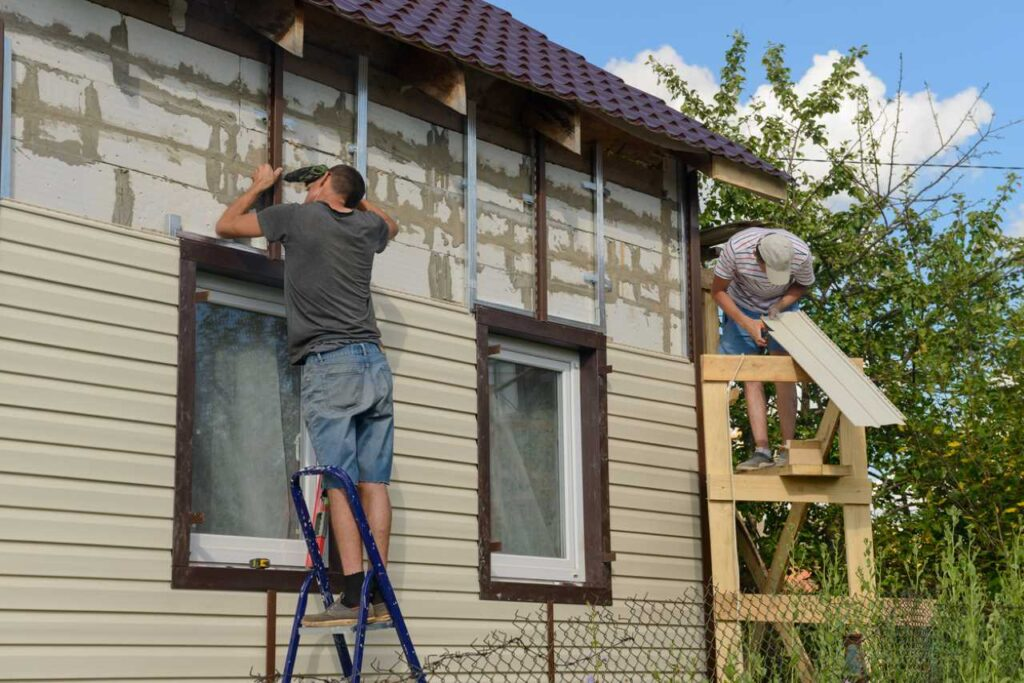
Siding Replacement: Enhancing Protection, Efficiency, and Curb Appeal
Siding replacement is one of the most important investments a homeowner can make to protect their property, improve energy efficiency, and enhance the overall appearance of a home says Sun-Pro Realty and Management professionals specialists. Over time, siding can deteriorate due to exposure to harsh weather conditions, moisture, UV rays, and pests, leading to potential structural damage and a decrease in the home’s value. Choosing to invest in professional siding replacement ensures that the exterior of the property is not only visually appealing but also durable, energy-efficient, and able to withstand the elements for years to come. Proper siding replacement provides a comprehensive solution for homes that are experiencing visible wear, draft issues, moisture intrusion, or simply an outdated exterior design. This guide explores the significance of siding replacement, the different types of siding materials available, the detailed replacement process, critical considerations for homeowners, and essential maintenance practices to preserve the benefits of new siding over time.
The Importance of Siding Replacement
Siding serves as the primary protective layer for a home, shielding the structure from wind, rain, snow, sun, and temperature fluctuations. Over time, siding that is cracked, warped, or otherwise compromised can allow water to penetrate the walls, resulting in mold growth, wood rot, and other structural issues that can be costly to repair. Proper siding replacement restores this protective barrier, ensuring the home remains secure, energy-efficient, and comfortable. Beyond structural protection, new siding can significantly enhance a home’s curb appeal, making it visually striking and increasing its resale value. Additionally, replacing siding provides an opportunity to upgrade insulation, improve thermal performance, and reduce energy bills. A well-executed siding replacement project combines aesthetic appeal with functional benefits, protecting both the investment and the occupants of the home while offering peace of mind for years into the future.
Types of Siding Materials
Selecting the right siding material is crucial to achieving long-term durability and aesthetic appeal. Homeowners must consider the climate, maintenance requirements, budget, and desired appearance when choosing the appropriate material. Vinyl siding is a popular option due to its affordability, resistance to moisture and pests, low maintenance requirements, and wide range of color and style options. Wood siding offers timeless natural beauty, adding warmth and character to a home, but it requires regular maintenance, including painting, staining, and protection from moisture and insects. Fiber cement siding, made from a mixture of cement, sand, and cellulose fibers, is highly durable, fire-resistant, and low-maintenance, with the ability to mimic the appearance of wood or other materials. Metal siding, including aluminum and steel, is strong, long-lasting, and resistant to pests and fire, often chosen for contemporary architectural designs. Composite siding, which is made from engineered wood or synthetic materials, provides a modern balance of durability and low maintenance while retaining the appearance of natural wood. Finally, stucco or synthetic panels offer unique textures and finishes that are ideal for certain architectural styles, providing durability and a distinct visual aesthetic when installed correctly.
Benefits of Professional Siding Replacement
Hiring professional contractors for siding replacement ensures a high-quality result that maximizes the benefits of the investment. Experienced professionals have the knowledge and expertise to assess the condition of the existing siding, detect underlying structural issues, and recommend the most suitable materials based on the home’s design, location, and climate. Professional installation guarantees that siding is properly aligned, secured, and sealed, preventing air and water leaks that can compromise both energy efficiency and the integrity of the structure. Contractors also ensure compliance with manufacturer specifications, local building codes, and warranty requirements, giving homeowners confidence that the siding replacement will provide long-term protection and performance. Additionally, professionals can manage large or complex projects efficiently, handle heavy or oversized materials safely, and execute precise finishing details that enhance the home’s overall appearance. By investing in professional services, homeowners can avoid common mistakes associated with DIY installation, reduce the risk of costly repairs, and achieve a lasting and visually appealing exterior.
The Siding Replacement Process
The siding replacement process involves multiple critical steps that must be executed with care and precision. First, professionals perform a thorough inspection of the existing siding, assessing its condition and identifying any damage to the underlying structure, insulation, or moisture barriers. Accurate measurements and evaluation are essential to ensure a seamless fit for the new siding. The next step involves carefully removing the old siding and addressing any damaged or rotted materials that may have been exposed during removal. Preparing the surface for the new siding includes cleaning, leveling, and installing moisture barriers or underlayment to enhance insulation and prevent water intrusion. The new siding is then installed, with attention to proper alignment, secure fastening, and smooth transitions at corners and edges. Sealing and caulking are applied to prevent air and water leaks, followed by the installation of trim and other finishing details that provide a polished appearance. The final stage involves a quality inspection to verify that the siding is installed correctly, fully sealed, and meets manufacturer and professional standards. Each of these steps is crucial to achieving a durable, functional, and visually appealing result that protects the home for decades.
Key Considerations for Siding Replacement
Several factors must be considered when planning a siding replacement project. Selecting the appropriate material is essential for balancing durability, maintenance requirements, energy efficiency, and aesthetic appeal. Professional installation is critical to prevent misalignment, leaks, or structural damage and to ensure the siding performs as intended. Energy efficiency is another key factor, as some siding materials, such as insulated vinyl or fiber cement, can enhance thermal performance and reduce heating and cooling costs over time. Budget considerations should include both upfront installation costs and long-term maintenance expenses, as higher-quality materials often provide better longevity and reduced upkeep. Finally, homeowners should consider ongoing maintenance requirements, including cleaning, painting, or sealing, to preserve the appearance and performance of the new siding. Making informed decisions about these factors ensures that the siding replacement project delivers optimal protection, efficiency, and curb appeal.
Maintenance Tips After Siding Replacement
Even after professional installation, regular maintenance is essential to preserve the functionality and appearance of siding. Routine cleaning removes dirt, debris, and mildew, preventing staining or deterioration. Inspecting seams, caulking, and trim periodically ensures that seals remain intact and that water does not infiltrate behind the siding. For wood or fiber cement siding, repainting, staining, or protective coatings may be required every few years to protect against moisture, sun damage, and pests. Proper maintenance also includes ensuring that gutters, downspouts, and surrounding landscaping prevent water accumulation near the foundation. By combining professional installation with consistent upkeep, homeowners can extend the lifespan of their siding, maintain energy efficiency, and keep their home looking attractive for many years.
Advantages of Siding Replacement
Siding replacement in Bergenfield provides multiple benefits, from protecting the structure of the home to improving its aesthetic appeal and energy efficiency. New siding shields the home from weather and environmental hazards, prevents water intrusion, and reduces the risk of mold and rot. It can also enhance the property’s energy efficiency, lowering heating and cooling costs while improving indoor comfort. In addition to functional benefits, siding replacement significantly increases the home’s curb appeal, creating a modern or refreshed look that enhances property value. For homeowners considering selling, professionally replaced siding adds marketability and demonstrates a well-maintained home, often resulting in a higher resale price and a faster sale.
Conclusion
Proper Siding replacement in Bergenfield is an essential investment that enhances the durability, energy efficiency, and visual appeal of any home. Selecting the appropriate siding material, hiring professional installation services, and following proper maintenance practices ensure that the home remains protected, attractive, and comfortable for years to come. By carefully considering material choice, energy performance, long-term costs, and installation quality, homeowners can maximize the benefits of siding replacement while safeguarding their investment. Well-executed siding replacement not only protects the home from environmental elements but also improves thermal efficiency, reduces maintenance needs, and creates a lasting impression that enhances both comfort and property value. Prioritizing professional siding replacement ensures a durable, functional, and visually appealing exterior that homeowners can enjoy for decades.