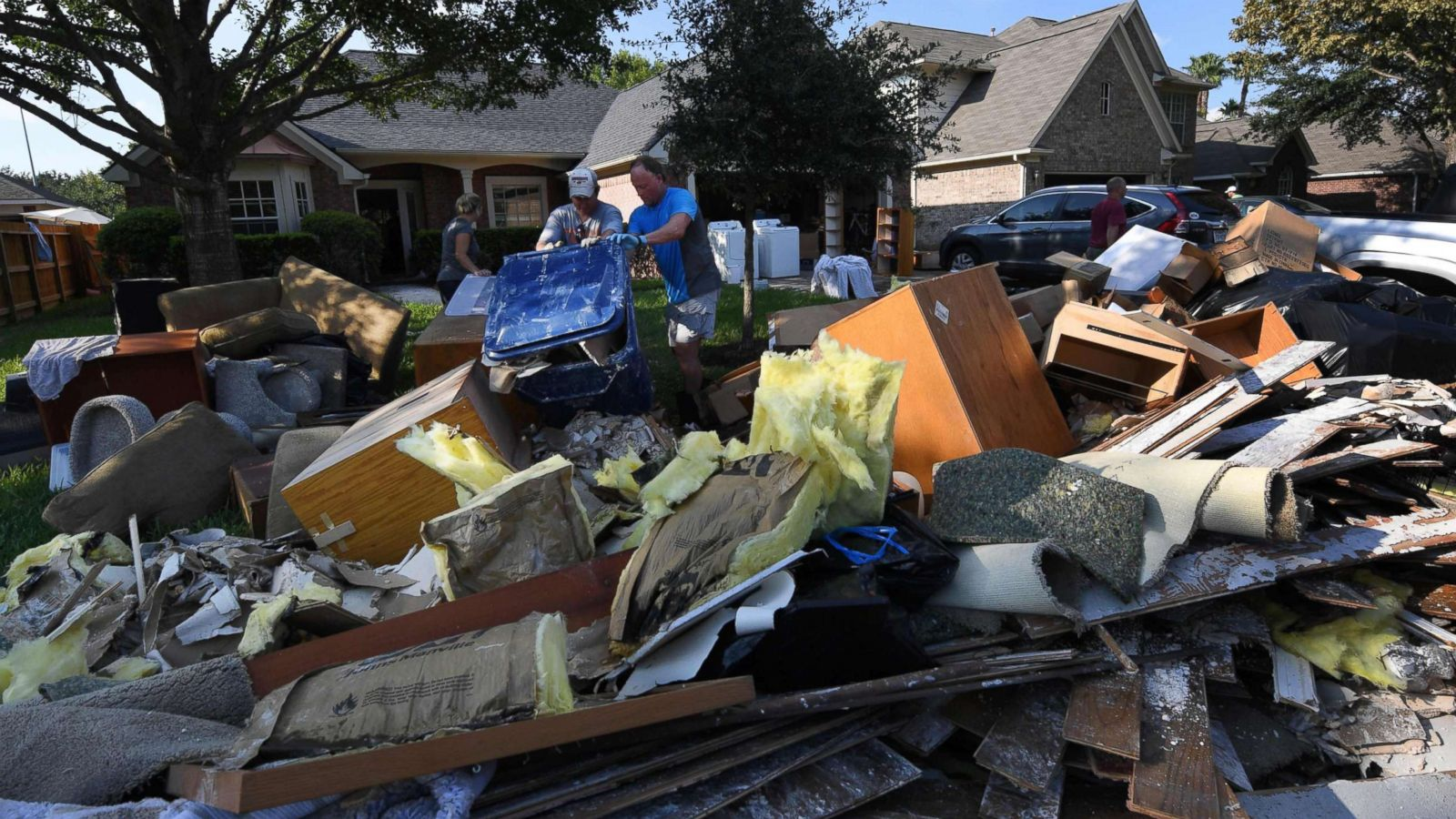
Modern life moves fast, and as it does, clutter tends to accumulate quietly in homes, offices, storage areas, and even outdoor spaces. Items that once served a purpose often remain long after they are useful, gradually taking up physical space and mental energy. Managing this buildup is not simply a matter of aesthetics; it affects productivity, safety, environmental responsibility, and overall well-being. Understanding professional solutions for clearing unwanted materials can help individuals and organizations make informed decisions while maintaining control over their environments.
Understanding the Nature of Accumulated Clutter
Clutter rarely appears overnight. It develops through everyday activities such as upgrading appliances, renovating rooms, changing lifestyles, or expanding business operations. Over time, furniture, electronics, packaging materials, outdated documents, broken equipment, and miscellaneous items pile up. Each piece may seem insignificant on its own, but collectively they can disrupt workflows and reduce usable space.
Beyond visual disorder, excessive clutter can cause safety hazards. Tripping risks, blocked exits, and unstable piles of items increase the likelihood of accidents. In work settings, cluttered environments can also violate safety standards or hinder compliance requirements. Recognizing these risks is the first step toward addressing the issue in a structured and responsible way.
Why Professional Assistance Matters
Many people initially attempt to handle clutter independently. While do-it-yourself efforts can be effective for small cleanups, larger or more complex situations often require professional expertise. Heavy lifting, proper disposal methods, and time constraints can quickly make self-managed efforts overwhelming.
Professional junk removal services provide structured solutions that go beyond simply hauling items away. They bring trained personnel, appropriate equipment, and a systematic approach that ensures efficiency and safety. By outsourcing the task, individuals and organizations can focus on their core responsibilities while knowing the cleanup is being handled correctly.
It is also important to note that professionals understand how to manage different categories of waste. Some materials require special handling due to environmental regulations, while others can be recycled or donated. This knowledge helps reduce unnecessary landfill use and supports more sustainable practices.
Environmental Responsibility and Ethical Disposal
One of the most significant advantages of professional services is their commitment to responsible disposal. Ethical practices involve sorting items to determine what can be reused, recycled, or disposed of safely. Furniture in good condition, usable electronics, and surplus materials may be redirected to charitable organizations or recycling facilities rather than discarded.
Environmental responsibility is not only about compliance; it is about minimizing long-term impact. Improper disposal can contribute to pollution, resource depletion, and environmental degradation. By choosing informed solutions, individuals can actively participate in protecting natural resources while managing their immediate surroundings.
This approach also supports broader sustainability goals. Recycling metals, plastics, and electronics conserves raw materials and reduces energy consumption. Donating usable items extends their life cycle and benefits communities. These outcomes demonstrate how thoughtful management of unwanted items can have positive effects beyond a single property.
The Practical Benefits of Organized Spaces
An organized environment offers immediate and long-term benefits. Clear spaces improve functionality, making it easier to move, work, and locate essential items. In residential settings, decluttered homes often feel more comfortable and inviting, contributing to reduced stress and improved mental clarity.
In commercial environments, organization supports productivity and professionalism. Employees can work more efficiently when their surroundings are orderly, and clients or visitors form better impressions when spaces are clean and well-maintained. Additionally, organized storage areas help prevent inventory loss and improve operational accuracy.
From a financial perspective, effective cleanup can reveal unused assets, free up valuable square footage, and reduce maintenance costs. These benefits underscore why structured solutions are an investment rather than an expense.
How the Process Typically Works
Professional cleanup follows a clear and efficient process designed to minimize disruption. It usually begins with an assessment, during which the scope of work is identified. This step allows the service provider to understand the volume, type, and condition of items involved.
Once the plan is established, trained teams handle the physical removal. They use appropriate tools and techniques to prevent damage to property and ensure personal safety. Items are sorted during or after removal, allowing recyclable and reusable materials to be separated from general waste.
This is where junk removal becomes more than simple hauling. The process integrates logistics, environmental considerations, and customer convenience into a single service. After removal, the area is left clean and ready for immediate use, whether for living, working, or renovation.
Addressing Common Misconceptions
Some people hesitate to seek professional help due to misconceptions about cost or necessity. It is often assumed that such services are expensive or only suitable for extreme situations. In reality, pricing is typically based on volume and complexity, making it scalable for different needs.
Another misconception is that all removed items end up in landfills. Reputable providers prioritize responsible disposal and transparency, ensuring that items are handled appropriately. Asking questions about recycling and donation practices can help clients choose services aligned with their values.
There is also a belief that managing clutter independently is always more efficient. While this may hold true for minimal tasks, larger projects often take significantly more time and effort when handled without professional support. Factoring in time, labor, and disposal challenges reveals the true value of expert assistance.
Planning Ahead for Long-Term Organization
Effective cleanup is most beneficial when paired with long-term organization strategies. Once clutter is removed, maintaining order requires conscious habits and systems. Regular reviews of belongings, designated storage solutions, and mindful purchasing decisions can prevent future accumulation.
Businesses can implement inventory management systems and scheduled cleanups to maintain efficiency. Homes can benefit from seasonal evaluations that align with lifestyle changes. By integrating these practices, the need for large-scale interventions becomes less frequent.
Education also plays a role. Understanding what items are truly necessary and how to responsibly manage them fosters a culture of awareness. This mindset supports ongoing organization and reduces the emotional burden often associated with letting go of possessions.
The Role of Safety and Compliance
Safety considerations are central to professional cleanup services. Handling heavy or hazardous items without proper training can result in injuries or property damage. Professionals are equipped to manage these risks through experience and adherence to safety protocols.
Compliance with regulations is equally important, particularly for businesses. Improper disposal of certain materials can lead to legal consequences or fines. Professional services stay informed about relevant standards and ensure that disposal methods meet regulatory requirements.
This level of assurance is difficult to achieve through independent efforts, especially when dealing with complex waste categories. Relying on knowledgeable providers reduces risk and ensures peace of mind.
Choosing the Right Service Provider
Selecting a reliable provider involves more than comparing prices. Reputation, transparency, and commitment to responsible practices are key factors. Clear communication about processes, timelines, and disposal methods indicates professionalism and reliability.
It is also beneficial to look for providers who offer flexible scheduling and customized solutions. Each cleanup scenario is unique, and adaptable services ensure that specific needs are met effectively. Reading reviews and asking detailed questions can further support informed decision-making.
Ultimately, the right choice balances efficiency, ethics, and customer service. When these elements align, the cleanup experience becomes smooth and stress-free.
Looking Beyond the Immediate Results
While the immediate outcome of a cleanup is a clear and organized space, the broader impact is equally important. Reduced clutter supports healthier environments, both physically and mentally. It also contributes to environmental stewardship and community support through recycling and donation efforts.
These outcomes highlight the interconnected nature of responsible cleanup practices. Individual actions, when managed thoughtfully, contribute to larger societal benefits. This perspective transforms cleanup from a simple task into a meaningful contribution.
Final Thoughts on Sustainable Solutions
Managing unwanted items is an inevitable part of modern living, but it does not have to be overwhelming. With the right approach, it becomes an opportunity to improve spaces, support sustainability, and enhance quality of life. Professional assistance provides the structure and expertise needed to achieve these goals efficiently.
By understanding the process, benefits, and long-term implications, individuals and organizations can make informed choices that align with their values. Whether addressing a single room or an entire facility, thoughtful planning and execution lead to lasting results.
In the end, junk removal is not just about removing items; it is about creating space for growth, clarity, and responsible living. When approached with intention and care, the process delivers value far beyond the visible outcome.