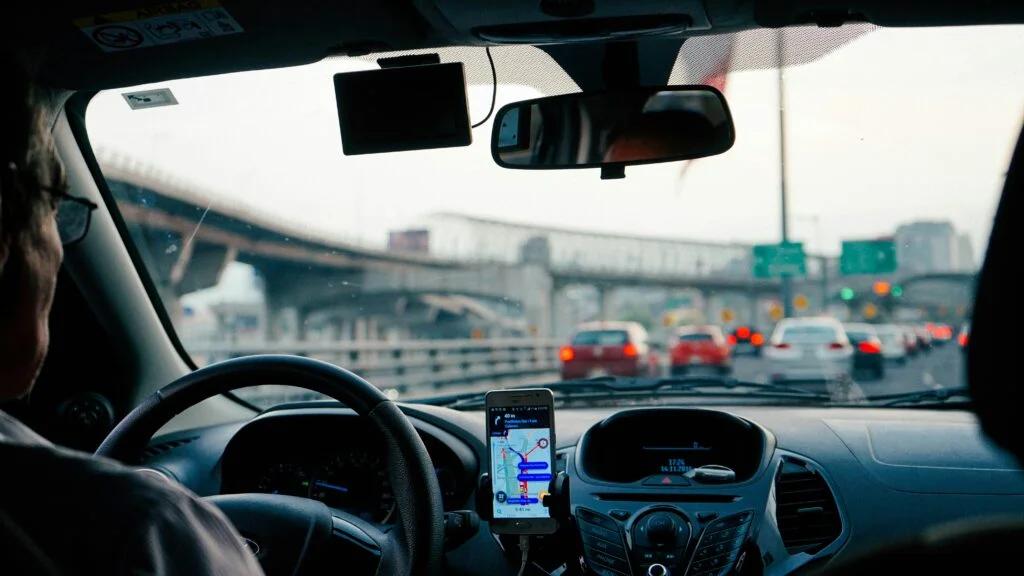
In the last decade, the act of getting into a stranger’s car has shifted from a childhood warning to a daily habit. We tap a button, a face appears on our screen, and three minutes later, a sedan pulls up. We verify the license plate (usually), mutter a name, and climb in.
For a trip to the grocery store or a night out with friends, this system works. It is a triumph of logistics. But for corporate travelers, executives, and families moving through unfamiliar cities, there is a lingering question that the flashy app interface tries to obscure: Do you actually know who is driving this car?
The gig economy has normalized a concept known as “Security Theater.” We feel safe because we have a digital profile and a GPS map. But beneath the surface, the vetting standards of rideshare platforms differ vastly from the rigorous protocols of professional secure transport. Understanding this gap is not just about comfort; it is about risk management.
The Myth of the “Background Check”
When a rideshare platform claims their drivers are “vetted,” the public assumes this means a deep-dive investigation. They imagine a team of investigators calling references and checking federal databases.
In reality, the vetting process for gig workers is largely automated and, in many jurisdictions, surprisingly shallow. It often relies on third-party services that scan for criminal convictions using name and social security number matches.
The gaps in this system are well-documented:
- The “Lookback” Limit: Many background checks only go back seven years. A serious violent felony committed eight years ago may not flag the system.
- The “Alias” Problem: If a driver uses a variation of their name or has moved states recently, county-level criminal records might be missed.
- The Identity Swap: This is the most prevalent flaw. A vetted driver can rent or share their account with an unvetted friend or family member. You order a ride expecting “John,” but “Mike” shows up. The app doesn’t know the difference, and often, neither do you.
The “Duty of Care” Distinction
In the corporate world, companies have a legal obligation known as “Duty of Care.” If a company sends an employee to a dangerous city or a high-pressure meeting, they are legally responsible for that employee’s safety.
Licensed chauffeur companies operate under this legal umbrella. They are not technology companies connecting independent contractors; they are employers.
This changes the entire incentive structure of safety.
- Fingerprinting: In many major markets, professional chauffeurs must submit to government-level Live Scan fingerprinting, which hits FBI databases that commercial background checks cannot access.
- Drug Testing: Department of Transportation (DOT) regulations often require pre-employment and random drug screening for commercial drivers. Gig platforms generally do not drug test.
- Medical Screening: A professional chauffeur often holds a medical card, certifying they do not have conditions (like seizure disorders or vision loss) that would make them unsafe behind the wheel.
The Vehicle as a Workplace
Beyond the driver, there is the vehicle itself.
In the gig economy, the vehicle is a personal asset. Its maintenance schedule is up to the owner’s discretion (and budget). Inspections are often done virtually or via cursory checklist.
In the professional sector, the vehicle is a commercial fleet asset. It is subject to municipal fleet inspections. But more importantly, it is an extension of the passenger’s office.
This is where “Security Theater” falls apart. True security is about predictability.
- Predictability of Environment: Is the car clean? Are the locks functioning? Is there a partition?
- Predictability of Route: A professional driver plans the route before you land. They know where the construction is. They know the secondary extraction point if a protest blocks the main road. A gig driver is often following a GPS line blindly, which can lead high-profile passengers into vulnerable chokepoints.
The “Data Trail” Vulnerability
There is another layer of security that is rarely discussed: Digital Privacy.
When you use a mass-market app, your movement data is a commodity. Your pickup and drop-off points create a pattern of life that is stored in the cloud. For high-net-worth individuals or executives working on sensitive mergers, this “digital exhaust” is a liability.
Professional services operate on discretion. The manifest is private. The driver signs a Non-Disclosure Agreement (NDA). The conversation you have in the backseat about the upcoming acquisition stays in the backseat. In a rideshare, you are in a public space. Dashcams (often installed by drivers for their own safety) may be recording your audio and video without you realizing it. That footage belongs to the driver, not the platform, and can easily end up on YouTube or TikTok.
Conclusion
Convenience is addictive. The ability to summon a ride in seconds is one of the great innovations of our time. But convenience should not be confused with security.
For the casual traveler, the risk calculation might lean toward the app. But for those who carry the weight of a company, a family, or a reputation, the calculation must change. We need to stop viewing transportation as a commodity and start viewing it as a chain of custody. When you step off a plane or out of a boardroom, you are handing your physical safety to another human being. You should know if that human being is a vetted professional operating under a regulated private car service standard, or simply a stranger who passed a digital checklist. The difference is invisible until the moment something goes wrong and by then, the theater is over.