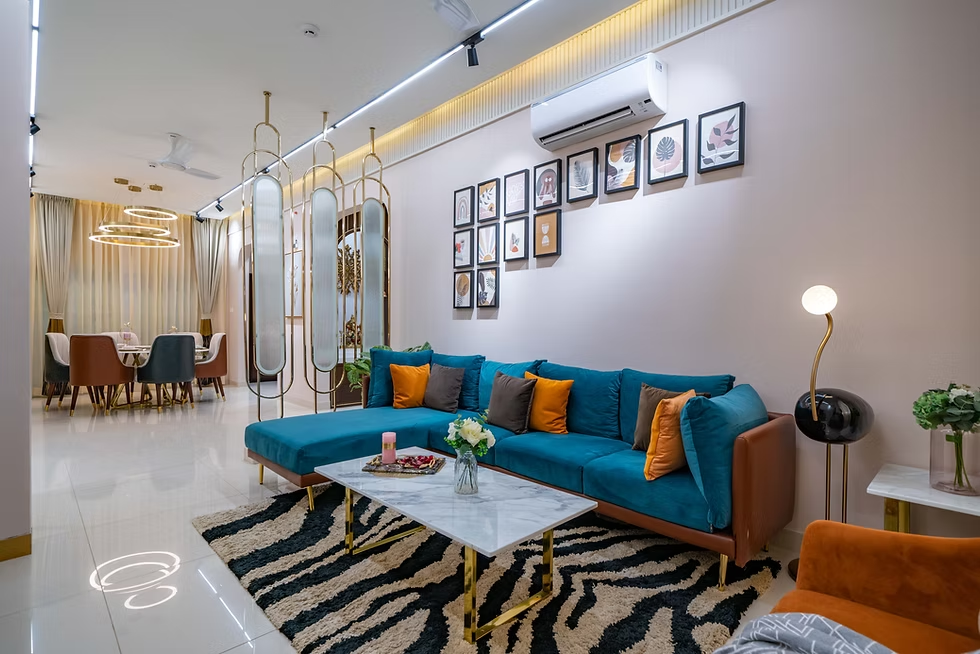
Home textiles quietly shape how a space feels, functions, and supports daily life. From the moment someone enters a room, fabrics influence warmth, sound, light, and comfort without demanding attention. Curtains soften daylight, rugs absorb noise, and upholstery invites rest, all while reflecting personal taste. Unlike fixed architectural elements, textiles offer flexibility, allowing interiors to evolve with seasons, lifestyles, and moods. Understanding home textiles as functional design tools rather than simple decoration reveals their importance in creating balanced living environments. Thoughtful textile choices contribute to comfort, durability, and emotional ease, making homes feel welcoming and lived-in rather than static or purely visual.
Textiles That Shape Everyday Living
- Fabric Choices and Daily Comfort
The materials used in home textiles directly affect daily comfort and usability. Natural fibers such as cotton, linen, and wool respond differently to temperature and humidity, influencing how a space feels throughout the year. Heavier fabrics add warmth and insulation during colder months, while lighter weaves support airflow and cooling in warmer seasons. Texture also plays a role: soft surfaces encourage relaxation, while firmer textiles provide structure. In many households, thoughtful layering of textiles allows rooms to adapt without major changes. This adaptability explains why people invest time in selecting fabrics that align with both climate and routine rather than appearance alone.
- Craftsmanship and Textile Longevity
Quality construction determines how well home textiles perform over time. Stitching, dye processes, and weave density all influence durability and aging. Well-crafted textiles maintain shape, color, and texture even with regular use, reducing the need for frequent replacement. This longevity supports sustainability by lowering waste and encouraging long-term ownership. In regions known for refined production standards, interest in luxury home textiles in Switzerland reflects a focus on materials and construction that balance beauty with endurance. When craftsmanship is prioritized, textiles become lasting components of a home rather than temporary accents.
- Textiles as Tools for Spatial Balance
Home textiles influence how spaces are perceived and used. Area rugs define zones within open layouts, while curtains can visually alter ceiling height or window proportions. Upholstery colors and patterns guide attention and set the mood without changing the structure. These elements help create harmony between furniture, lighting, and architecture. Textiles also soften hard surfaces, reducing echo and improving acoustics in rooms with stone, tile, or wood floors. Through careful placement and proportion, fabrics help create cohesive, intentional spaces, supporting both function and comfort without overwhelming the design.
- Seasonal Adaptability Through Textiles
One of the strengths of home textiles lies in their ability to adapt interiors to seasonal changes. Lightweight throws, breathable bedding, and sheer curtains support comfort during warmer months, while heavier blankets and textured fabrics add warmth in cooler periods. This adaptability allows homeowners to refresh spaces without structural renovation. Seasonal textile changes also provide emotional variety, helping interiors feel renewed. By rotating or layering fabrics, homes respond to external changes while maintaining continuity in style and layout. This flexibility makes textiles practical tools for long-term living rather than fixed design choices.
- Care Practices and Fabric Preservation
Maintaining home textiles plays a key role in their performance and appearance. Proper cleaning, storage, and rotation prevent premature wear and fading. Understanding care requirements for different fibers helps preserve texture and color over time. Gentle washing, controlled drying, and protection from direct sunlight all contribute to longevity. When textiles are cared for thoughtfully, they continue to support comfort and aesthetics without frequent replacement. This approach reinforces the idea that textiles are functional assets in a home, deserving attention on par with furniture or fixtures.
- Textiles and Personal Expression
Home textiles often reflect personal history and identity more than any other design element. Handwoven pieces, heirloom linens, or culturally inspired patterns carry stories and meaning beyond function. These choices personalize spaces, transforming rooms into reflections of the people who inhabit them. Textiles allow for expression without permanence, making it easy to adjust interiors as tastes evolve. This emotional connection enhances satisfaction with living spaces, as comfort becomes tied not only to physical sensation but also to familiarity and memory.
Textiles as Foundations of Comfort
Home textiles play a vital role in shaping comfortable, adaptable, and expressive living spaces. Through material choice, craftsmanship, and thoughtful placement, fabrics influence how homes feel and function every day. Their flexibility allows interiors to evolve with seasons and lifestyles, while proper care ensures long-term performance. Understanding textiles as foundational elements rather than surface decoration highlights their importance in daily life. When chosen and maintained with intention, home textiles support comfort, balance, and personal connection, quietly enriching the experience of living within a space over time.