Residential electrical systems quietly support daily life, powering lighting, appliances, communication devices, and home comfort features. Because these systems operate behind walls and panels, their condition is often taken for granted until something stops working says Cupertino Management team. Electrical maintenance focuses on preserving safety, reliability, and efficiency over time rather than reacting to emergencies. Electricians play a key role in maintaining residential systems by identifying early signs of wear, correcting minor issues, and ensuring that electrical components continue to function as intended. Consistent maintenance helps reduce hazards, minimize disruptions, and extend the system’s lifespan. Understanding how electricians approach residential electrical maintenance underscores the importance of routine care in protecting both homes and occupants.
Residential Maintenance Overview
Residential electrical maintenance addresses system health before failures occur. Electricians evaluate wiring, panels, outlets, and protective devices to confirm they operate safely under normal household demand. This proactive attention reduces the risk of sudden outages and supports dependable performance across seasons.
- Evaluating Electrical Panels and Load Capacity
One of the most important aspects of residential electrical maintenance is evaluating the electrical panel’s capacity to meet household demand. As homes add appliances, technology, and charging devices, electrical loads increase steadily. Electricians inspect panels for signs of overheating, corrosion, or loose connections that can compromise safety. They also verify that circuit distribution aligns with current usage patterns, preventing overload conditions that could cause tripped breakers or damaged wiring. Homeowners who work with electricians in Delaware County often find that routine panel evaluations uncover minor issues before they escalate into serious concerns. Maintaining proper load balance ensures that power flows safely and predictably throughout the home.
- Maintaining Wiring Integrity Over Time
Wiring forms the backbone of any residential electrical system, yet it is rarely visible or considered during everyday use. Over time, wiring can deteriorate due to age, environmental exposure, or improper past modifications. Electricians assess wiring integrity during maintenance visits by checking insulation condition, connection points, and routing. Damaged or aging wiring may not fail immediately, but can pose long-term safety risks. Maintenance enables electricians to identify and address vulnerabilities before they cause disruptions or hazards. Ensuring wiring remains intact supports consistent power delivery and reduces the likelihood of hidden electrical issues developing behind walls or ceilings.
- Why Preventive Care Matters
Preventive electrical maintenance focuses on stability rather than reaction. By addressing wear early, electricians help homeowners avoid unexpected failures and reduce safety risks. This approach protects both the system and the people who rely on it daily.
- Outlet, Switch, and Fixture Inspection
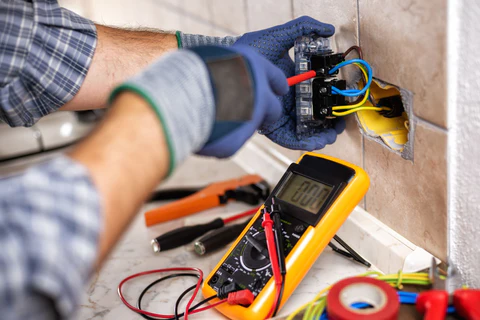
Outlets, switches, and fixtures experience frequent interaction and gradual wear. Loose connections, worn contacts, or damaged housings can lead to flickering lights, intermittent power, or overheating. Electricians perform these components of residential maintenance by inspecting operations, tightening connections, and replacing worn parts. Even minor issues at outlets or switches can indicate underlying wiring problems if left unchecked. Regular inspection ensures these everyday components remain safe and functional. Properly maintained fixtures also support energy efficiency by reducing resistance and heat buildup caused by poor connections.
- Grounding and Protection Systems
Grounding and protective devices are critical for residential electrical safety, yet they often receive little attention until a problem arises. Electricians test grounding systems during maintenance to confirm they direct excess electrical energy safely away from the home. They also inspect protective components, such as circuit breakers and fault protection devices, to ensure they operate correctly under abnormal conditions. These systems act as safeguards during power surges or equipment faults. Maintenance verifies that protective measures remain effective and properly connected, reinforcing the home’s overall safety framework.
- Adapting Maintenance to Modern Homes
Residential electrical maintenance has evolved as homes incorporate smart devices, automation, and increased electronic usage. Electricians adapt maintenance practices to account for these changes, evaluating compatibility and load impact. They assess whether existing infrastructure can support new technologies without strain. Maintenance may involve adjusting circuits, updating components, or improving distribution to accommodate modern living. This adaptability ensures that electrical systems remain aligned with current household needs while maintaining safety and reliability.
- Supporting Long-Term Reliability and Comfort
Consistent electrical maintenance contributes to overall home comfort by preventing disruptions and maintaining steady power delivery. When systems operate smoothly, lighting remains stable, appliances function reliably, and homeowners experience fewer interruptions. Electricians help ensure reliability by addressing minor issues before they escalate. Over time, maintained systems require fewer emergency repairs and demonstrate more predictable performance. This long-term stability benefits both safety and convenience.
Residential electrical maintenance is essential for preserving safety, reliability, and performance in modern homes. Through panel evaluations, wiring inspections, component checks, and grounding verification, electricians help prevent issues that could otherwise remain hidden until failure occurs. Proactive maintenance supports consistent power delivery and reduces long-term risks. Understanding how electricians approach residential electrical care highlights the value of routine attention in protecting homes and the people who live in them.