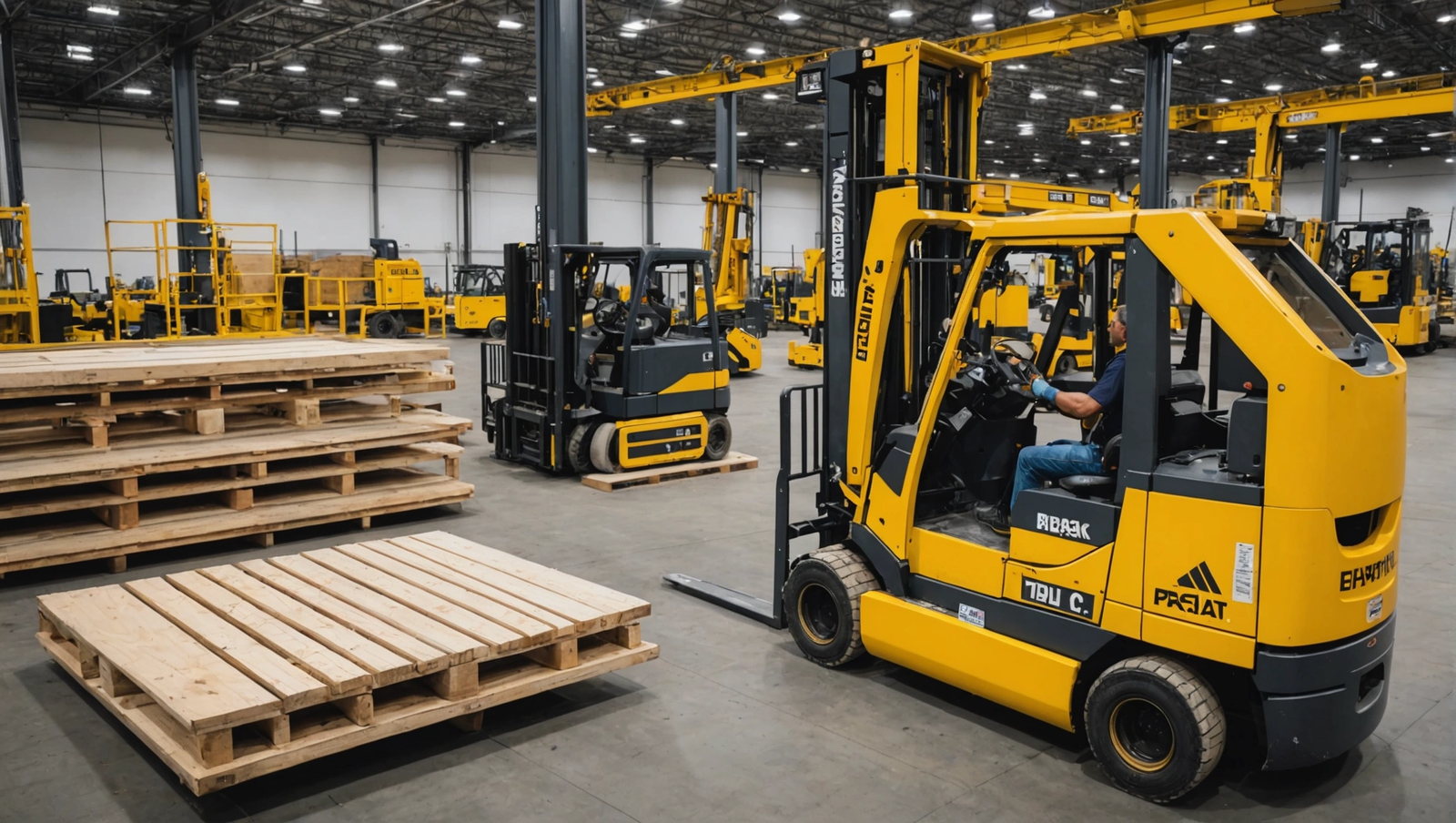
Modern industrial operations depend on efficiency, precision, and consistency to remain competitive in an increasingly demanding business environment. From manufacturing plants and warehouses to distribution centers and production facilities, the ability to move, store, and control materials effectively has a direct impact on productivity and profitability. As workflows become more complex and customer expectations continue to rise, organizations must focus on strengthening internal processes that support seamless operations. One of the most critical foundations of these processes is the strategic use of systems designed to manage materials throughout every stage of work.
The movement of goods within a facility is not a simple task. It requires careful coordination, proper planning, and reliable tools that can handle varying load sizes, shapes, and weights. Poorly managed internal logistics often result in delays, safety risks, increased labor costs, and damaged products. In contrast, businesses that prioritize structured systems and appropriate equipment are better equipped to maintain consistent output while minimizing waste and inefficiencies.
The Role of Equipment in Modern Industrial Workflows
Industrial workflows rely heavily on tools and systems that allow materials to move smoothly from one stage to another. Whether raw materials are being received, components are transferred between workstations, or finished goods are prepared for shipment, each step must be executed accurately and efficiently. Delays or breakdowns at any point can disrupt the entire operation and negatively affect delivery timelines.
This is where material handling equipment becomes essential. These systems support lifting, transporting, stacking, and storing goods in a controlled manner, reducing reliance on manual labor and lowering the risk of errors. When integrated effectively into workflows, they help maintain steady production rates and reduce operational bottlenecks.
Improving Productivity Through Smart Material Movement
Productivity is a primary goal for any organization handling physical goods. Efficient movement of materials reduces idle time, speeds up processes, and allows employees to focus on tasks that add value. Without proper systems in place, workers may spend excessive time moving items manually, searching for materials, or navigating congested spaces.
The use of well-designed material handling equipment enables faster transport and better organization of goods. Over time, this leads to higher throughput without requiring proportional increases in labor. By streamlining internal movement, businesses can meet higher demand levels while maintaining consistent quality standards.
Enhancing Workplace Safety and Reducing Injuries
Workplace safety is a major concern in environments where heavy loads and repetitive movements are common. Manual lifting and improper transport methods can lead to injuries, lost workdays, and increased insurance costs. Beyond the human impact, accidents can disrupt operations and damage equipment or products.
Reliable material handling equipment reduces the need for manual lifting and minimizes the risks associated with handling heavy or awkward loads. Safety-focused designs, such as load stabilization and ergonomic controls, help protect workers while maintaining operational efficiency. A safer workplace also promotes higher employee morale and long-term workforce stability.
Supporting Efficient Space Utilization
Space constraints are a common challenge in industrial facilities. Poor layout and inefficient storage practices can limit capacity and slow down operations. Effective internal logistics require thoughtful planning to ensure that space is used optimally while maintaining accessibility and safety.
Advanced material handling equipment supports vertical storage, organized stacking, and efficient aisle design. By maximizing available space, organizations can increase storage capacity without expanding their physical footprint. This not only reduces overhead costs but also improves overall workflow by minimizing unnecessary movement.
Flexibility for Changing Operational Needs
Business needs are rarely static. Market demand fluctuates, product lines evolve, and operational priorities shift over time. Equipment strategies must be flexible enough to adapt to these changes without causing major disruptions.
Organizations that rely on adaptable material handling equipments are better positioned to respond to new challenges. Whether scaling operations, reorganizing layouts, or introducing new products, flexible systems allow businesses to adjust quickly and maintain productivity. This adaptability is especially valuable in competitive industries where responsiveness is a key advantage.
Cost Efficiency and Long-Term Financial Benefits
While equipment investments require upfront planning, the long-term financial benefits are significant. Efficient material movement reduces labor costs, minimizes product damage, and lowers the likelihood of costly accidents. Over time, these savings contribute to improved profit margins and financial stability.
Strategic use of material handling equipment also helps businesses avoid inefficiencies that lead to overtime expenses and workflow interruptions. By maintaining smooth operations, organizations gain better control over operating costs and can allocate resources more effectively toward growth initiatives.
The Impact of Technology on Internal Logistics
Technological advancements have transformed industrial equipment, making it more efficient, reliable, and data-driven. Modern systems often include features that support monitoring, automation, and energy efficiency. These innovations provide greater visibility into operations and enable proactive maintenance.
Through the integration of advanced material handling equipment, businesses can collect data on usage patterns and performance metrics. This information supports informed decision-making and helps identify areas for improvement. Technology-driven solutions also align with broader digital transformation strategies aimed at creating smarter and more resilient operations.
Sustainability and Responsible Operations
Environmental responsibility is becoming increasingly important across industries. Efficient internal logistics play a role in reducing energy consumption, minimizing waste, and supporting sustainable practices. Equipment designed for efficiency often requires less power and generates fewer emissions.
By using modern material handling equipments, organizations can align operational efficiency with environmental goals. Reduced product damage and optimized workflows contribute to lower waste levels, supporting both cost savings and sustainability objectives. These practices enhance corporate responsibility and strengthen brand reputation.
Workforce Training and Skill Development
Even the most advanced systems require skilled operators to deliver optimal results. Proper training ensures that employees understand how to use equipment safely and effectively. Well-trained teams are more confident, productive, and capable of identifying potential issues before they escalate.
Investing in training programs that support material handling equipment strategies strengthens the connection between people and processes. When employees feel supported and equipped with the right tools, they are more likely to contribute positively to operational goals and continuous improvement initiatives.
Gaining a Competitive Advantage
In competitive markets, operational efficiency can be a powerful differentiator. Customers expect fast turnaround times, consistent quality, and reliable delivery. Businesses that can consistently meet these expectations gain a strong advantage over competitors.
Effective use of material handling equipment enables organizations to maintain smooth workflows and minimize delays. Over time, this reliability builds trust with customers and supports long-term partnerships. Operational excellence becomes a visible strength that directly influences business success.
Planning for Long-Term Growth
Long-term growth requires more than short-term efficiency gains. It demands systems that can scale, adapt, and support evolving business objectives. Equipment decisions made today can have lasting impacts on operational flexibility and financial performance.
By thoughtfully integrating material handling equipment into strategic planning, organizations lay a foundation for sustainable growth. Efficient internal logistics support expansion, innovation, and resilience in the face of change. This forward-thinking approach ensures that operations remain strong as market conditions evolve.
Conclusion
Efficient internal logistics are a cornerstone of successful industrial operations. From improving productivity and safety to supporting flexibility and sustainability, the right systems and tools make a measurable difference in performance. Businesses that prioritize structured workflows and invest in reliable material movement solutions are better prepared to meet current demands and future challenges.
As industries continue to evolve, the strategic use of material handling equipment will remain essential to maintaining efficiency, controlling costs, and achieving long-term success. By focusing on smart planning, workforce training, and continuous improvement, organizations can build operations that are resilient, competitive, and ready for growth.