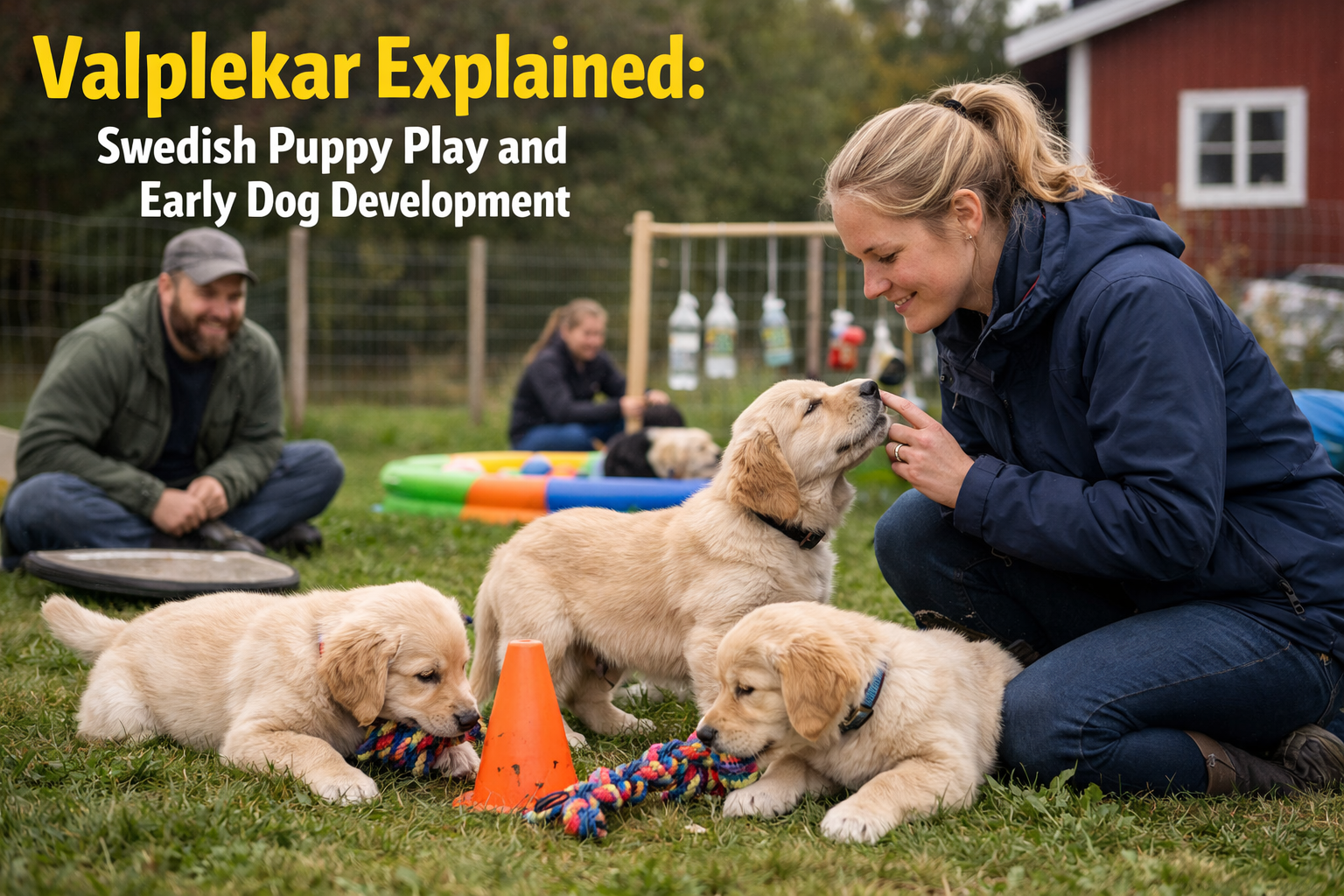
Welcome to the fascinating world of valplekar, where puppy play takes center stage in canine development! This Swedish term encapsulates a vital aspect of raising healthy and happy dogs. As pet owners, we often wonder how to foster our furry friends’ growth. Valplekar might just be the key you’ve been searching for. Join us as we delve into its meaning, significance, and practical applications in nurturing your pup’s physical and emotional well-being. Your journey into understanding valplekar starts now!
What Does “Valplekar” Mean in Swedish?
In Swedish, “valplekar” translates to “puppy play.” It refers specifically to the playful interactions among young dogs. This concept embodies much more than just fun; it’s a crucial part of their early stages of development.
Valplekar highlights the importance of socialization and physical activity for pups. Through this play, they learn essential skills that will shape their behavior as adult dogs. Understanding valplekar is vital for responsible pet ownership.
Linguistic Breakdown
The term “valplekar” combines two Swedish words: “valp,” meaning puppy, and “lekar,” which translates to play. Together, they encapsulate the essence of playful interaction among young dogs.
Understanding this linguistic structure reveals how meaningful these activities are in canine culture. The roots emphasize not only joy but also essential development during a puppy’s formative years, highlighting the importance of socialization through play in their early life stage.
Common Usage in Sweden
In Sweden, “valplekar” refers to the playful interactions between puppies and their peers. It’s a common sight in parks and dog training classes where young dogs engage in playful activities that promote socialization.
Dog owners often encourage these sessions as they are recognized for fostering healthy development. This term is well-known among breeders and trainers who emphasize its importance in raising balanced, confident dogs.
Why Valplekar (Puppy Play) Is Essential in Canine Development
Valplekar, or puppy play, plays a vital role in canine development. Through playful interactions, puppies learn essential social skills and boundaries. They engage with their peers, which fosters communication and cooperation.
Physical growth also benefits from this energetic play. Puppies develop coordination and strength while exploring their environment. This stimulating activity is crucial for building confidence as they navigate different situations during their formative months.
Physical & Social Growth
Puppy play, or valplekar, significantly aids physical growth. Engaging in various activities helps develop coordination, strength, and agility. These skills are crucial for a dog’s overall health and well-being.
Socially, valplekar fosters important interactions with other dogs and humans. Through playful exchanges, puppies learn boundaries and communication cues. This early socialization builds confidence and reduces anxiety in future encounters with unfamiliar situations or creatures.
Emotional & Mental Stimulation
Puppy play is crucial for emotional and mental stimulation. It helps young dogs learn how to express themselves, cope with excitement, and manage stress. During valplekar sessions, pups engage in playful interactions that foster confidence.
Through these experiences, they develop social skills and better understand canine body language. This type of play also sharpens problem-solving abilities as puppies navigate various scenarios while interacting with their peers.
How Valplekar Is Practiced — Real-World Examples
Valplekar can be seen in structured environments, like puppy classes. Trainers guide pups through obstacle courses and social interactions. This helps them learn boundaries while having fun with peers.
In contrast, unstructured play occurs in backyards or parks. Puppies explore freely, engaging with each other naturally. This type of play encourages creativity and fosters essential social skills among young dogs as they navigate their surroundings together.
Structured Valplekar
Structured valplekar involves organized play sessions designed for puppies. These activities are guided by experienced trainers or handlers. It focuses on specific skills such as socialization, obedience, and impulse control.
During these sessions, puppies engage in various exercises that promote positive interactions with other dogs and people. This structured environment helps them learn boundaries while having fun. Properly facilitated play sets the groundwork for a well-adjusted adult dog.
Unstructured Play
Unstructured play allows puppies to explore freely and engage with their environment without strict guidelines. This type of play fosters creativity as pups invent games, interact with various objects, and learn social cues from other dogs.
Through unstructured interactions, puppies develop essential skills such as problem-solving and communication. It’s a natural way for them to understand their boundaries while enjoying the joy of experimentation in a safe space.
Why Is “Valplekar” Showing Up in English Search Results?
The term “valplekar” has gained traction in English search results, primarily due to the growing interest in dog training and development. As more pet owners recognize its significance, they seek resources that explain its benefits for puppy growth.
Additionally, social media platforms amplify this trend. Influencers and trainers share insights about valplekar, leading curious individuals to explore further. The fusion of languages reflects our evolving understanding of canine care.
SEO Tool Confusion
Many people searching for “valplekar” face confusion with SEO tools. These platforms often generate conflicting information about keyword effectiveness and search volume. This inconsistency can lead to frustration, especially for content creators.
Additionally, some tools may misinterpret the term due to its niche nature. As a result, users might struggle to find accurate insights on “valplekar,” making effective content strategies difficult to implement.
AI-Generated Misuse
AI-generated misuse often occurs when automated systems misinterpret terms or concepts. In the case of “valplekar,” this can lead to confusion and misinformation about its true meaning.
Many people may encounter inaccurate definitions or applications in online content. This not only dilutes the richness of the term but also hinders a proper understanding of its importance in canine development. Awareness is essential to combat these misconceptions effectively.
What Valplekar Is Not
Valplekar is often mistakenly associated with dog training techniques or behavioral corrections. It’s not a method for addressing misbehavior in dogs. Instead, it’s about fostering playfulness and social interaction among puppies.
Additionally, valplekar should not be confused with more serious canine activities like sport training or obedience classes. It focuses on natural development through unstructured play rather than strict discipline or performance goals.
The Surname “Valplekar” — An Indian Cultural Identity
The surname “Valplekar” carries significant cultural weight within Indian communities. It often denotes a connection to specific regions or traditions, reflecting the rich tapestry of Indian heritage. Those who bear this name may take pride in their ancestral roots.
Regionally, the name can signify particular customs and practices that are unique to its origin. Valplekars contribute to the diverse narrative of Indian society, highlighting various local histories and identities.
Origin & Regional Roots
The term “Valplekar” has its roots in Sweden, where puppy play is a cherished tradition. This practice emphasizes the importance of social interaction among young dogs, enhancing their development.
Regions across Sweden recognize Valplekar as vital for nurturing harmonious canine behavior. From urban parks to rural settings, this playful engagement reflects cultural values surrounding animal welfare and companionship. It’s deeply intertwined with Swedish identity and dog ownership customs.
Social and Cultural Importance
Valplekar plays a vital role in Swedish culture, reflecting the deep bond between dogs and their owners. This practice fosters community connections as puppy owners often gather for play sessions, sharing tips and experiences.
Additionally, valplekar promotes responsible pet ownership. It encourages socialization not just among puppies but also within families and communities. By integrating dogs into everyday life, it strengthens relationships and enhances collective well-being.
Duality of the Term — One Word, Two Worlds
The term “valplekar” carries a dual meaning, bridging two distinct realms. In Swedish, it refers to the joyful play of puppies, essential for their growth and socialization. This playful interaction fosters strong bonds among canines.
Conversely, in Indian culture, “Valplekar” is a surname that signifies familial ties and cultural heritage. Each interpretation reveals unique aspects of identity within its respective community, showcasing language’s rich tapestry across cultures.
Common Myths and Misunderstandings About Valplekar
Many people mistake valplekar as mere roughhousing between puppies. While play may appear chaotic, it serves important developmental purposes. It’s essential for social skills and establishing boundaries among canine companions.
Another misconception is that valplekar isn’t necessary after a certain age. In reality, structured and unstructured play continues to benefit dogs throughout their lives, fostering ongoing emotional health and reducing behavioral issues in adulthood.
How to Use the Term Correctly in Content and Training
When using the term “valplekar,” clarity is key. Ensure your audience understands that it refers specifically to Swedish puppy play and not anything else. This avoids confusion and enriches conversations about canine development.
In training contexts, incorporate practical examples of valplekar activities. Highlight its benefits for socialization and emotional growth in puppies. Using the term accurately can help promote better understanding among dog owners and trainers alike.
Bonus: How to Create a Healthy Puppy Play Environment (Valplekar Guide)
Creating a healthy puppy play environment starts with safety. Remove any hazards, like sharp objects or toxic plants. Ensure the space is secure so your pup can explore freely without risk of escape.
Provide engaging toys that stimulate both mind and body. Use different textures and shapes to keep their interest high. Encourage social interaction with other puppies for valuable learning experiences in a controlled setting.
Conclusion
Understanding valplekar is essential for anyone involved in puppy development. This playful interaction not only fosters healthy physical growth but also cultivates social skills and emotional well-being.
By recognizing the significance of this Swedish term, dog owners can enhance their pets’ early experiences. A strong foundation through play leads to well-adjusted adult dogs, enriching both their lives and those of their human companions.
FAQs About Valplekar
What does “valplekar” mean?
Valplekar refers to the concept of puppy play in Swedish, vital for early dog development.
Is valplekar essential for all puppies?
Yes, it is crucial for physical, social, and emotional growth in dogs during their formative stages.
How can I create a safe environment for valplekar?
Ensure you have enough space, appropriate toys, and supervise interactions between pups.
Can adult dogs participate in valplekar?
While primarily aimed at puppies, older dogs can also benefit from playful interaction to maintain mental agility.
Where did the term “valplekar” originate?
The word comes from Swedish roots focusing on canine behavior and development philosophies.