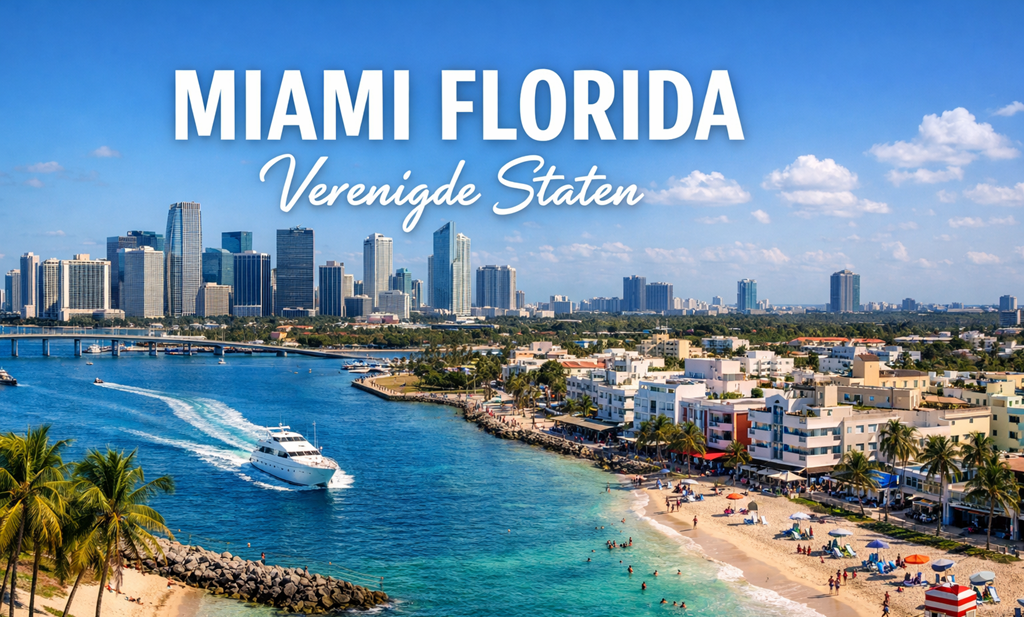
Miami Florida Verenigde Staten is a major coastal city in the southeastern United States, located in Florida along the Atlantic Ocean. It is widely known for its tropical climate, multicultural population, international business influence, and close connection to Biscayne Bay and the Everglades.
Introduction
Miami Florida Verenigde Staten represents far more than a beach destination. Instead, it is one of the most internationally connected cities in the United States. Because of its coastal geography, diverse population, and global economic role, Miami attracts travelers, professionals, and residents from around the world.
This guide explains Miami’s location, history, culture, neighborhoods, climate, economy, and lifestyle in a clear and practical way.
Where Is Miami Located in the United States?
Miami sits in southeast Florida along the Atlantic Ocean. It lies between Biscayne Bay to the east and Everglades National Park to the west.
Because of this strategic location, Miami functions as:
- A coastal city with extensive waterfront access
- A gateway between North America, Latin America, and the Caribbean
- A major port, aviation, and financial hub
As a result, geography directly shapes Miami’s economy, lifestyle, and cultural identity.
Geography and Natural Environment
Miami sits on a flat limestone plain only a few feet above sea level. Therefore, water defines the city’s structure and daily rhythm.
Key geographic features include the following:
- Barrier islands forming Miami Beach
- Canals and rivers flowing through urban districts
- Mangroves and wetlands surrounding the metropolitan area
Because land and water exist side by side, boating, fishing, and beach access remain part of everyday life rather than seasonal activities.
Climate and Weather in Miami Florida
Miami has a tropical climate, which means warm temperatures throughout the year.
- Winters are mild, dry, and sunny
- Summers are hot, humid, and rain-heavy
- Hurricane season runs from June to November
Although storms are a reality, modern planning, strong building standards, and advanced forecasting systems help manage risk. Consequently, outdoor living remains central to Miami’s appeal.
History of Miami Florida Verenigde Staten
The history of Miami did not begin with tourism or skyscrapers. Instead, it developed through several important phases that shaped the modern city.
Indigenous Roots
Long before European settlement, the Tequesta people lived along Biscayne Bay. Their presence influenced early land use, waterways, and regional trade routes.
Founding and Early Growth
In the late 1800s, Miami’s modern development began when Julia Tuttle convinced railroad developer Henry Flagler to extend his rail line south. As a result, Miami was officially incorporated in 1896.
Expansion and Reinvention
During the 1920s, a land boom fueled rapid growth. However, economic collapse and hurricanes followed. Even so, Miami rebuilt itself through Art Deco architecture, tourism, and international trade.
Cultural Identity and Multilingual Life
Miami is one of the most culturally diverse cities in the United States. Because of decades of migration from Cuba, the Caribbean, Central America, and South America, cultural fusion defines daily life.
Little Havana represents the strongest Cuban influence, visible in language, food, music, and public spaces.
Across the city:
- Spanish is widely spoken alongside English
- Latin and Caribbean traditions shape cuisine and festivals
- Music and street life remain central to social interaction
As a result, Miami feels global while remaining distinctly local.
Architecture and Urban Design
Miami’s architecture reflects its layered history and evolving identity.
- Art Deco districts highlight 1930s optimism and design
- Modern high-rises define financial and residential growth
- Historic estates and gardens preserve early elegance
South Beach stands out for its preserved Art Deco buildings, oceanfront setting, and walkable streets, making it one of the most recognizable urban landscapes in the world.
Major Neighborhoods in Miami
Each neighborhood contributes a different perspective on city life.
Brickell
Brickell serves as the financial core, featuring banks, global firms, and luxury residences.
Downtown Miami
This area combines museums, government centers, transit hubs, and high-density residential towers.
Coconut Grove
Coconut Grove offers historic charm, artistic roots, and waterfront parks.
Because neighborhoods vary widely, Miami appeals to professionals, families, creatives, and retirees alike.
Top Attractions and Tourism in Miami
Miami tourism extends far beyond beaches. Visitors experience a wide range of cultural, artistic, and natural attractions.
Popular experiences include:
- Art Deco walking tours
- Wynwood street art districts
- Biscayne Bay boat excursions
- Everglades wildlife tours
- Historic museums and gardens
Wynwood Walls, in particular, highlights Miami’s modern creative identity and global art influence.
Economy and Global Influence
Miami plays a critical role in international commerce and trade.
Key industries include:
- Finance and banking
- Tourism and hospitality
- Real estate and construction
- Media, trade, and logistics
Because Florida has no state income tax, Miami continues to attract entrepreneurs and international investors, despite high housing costs.
Sports and Community Life
Sports unite Miami’s diverse population and strengthen civic identity.
- Miami Heat represent basketball excellence
- Miami Dolphins anchor American football culture
Together, these teams create shared pride across communities.
Living in Miami Florida Verenigde Staten
Living in Miami offers both advantages and challenges.
Benefits
- Warm weather year-round
- Multicultural environment
- International career opportunities
- Waterfront recreation
Challenges
- High housing costs
- Summer humidity
- Hurricane preparedness
Therefore, lifestyle priorities play an important role when choosing to relocate.
Why Miami Continues to Attract the World
Miami Florida Verenigde Staten stands at the intersection of culture, geography, and opportunity. Because of its global connections, diverse communities, and coastal setting, the city continues to evolve while preserving its identity.
Rather than being just a destination, Miami functions as a living system where history, culture, and modern ambition move together.
Final Thoughts
Miami Florida Verenigde Staten is not defined by a single image or stereotype. Instead, it is a city shaped by water, migration, resilience, and reinvention. From Biscayne Bay to Little Havana, from Art Deco streets to global business districts, Miami offers depth, contrast, and constant movement.
For travelers, residents, and curious readers alike, Miami remains a place where geography and culture create lasting impact.
FAQs About Miami Florida Verenigde Staten
What is Miami Florida Verenigde Staten known for?
Miami is known for its tropical climate, multicultural population, beaches like South Beach, strong Cuban influence, and international business presence.
Is Miami a good place to live?
Miami offers warm weather, cultural diversity, and global job opportunities. However, housing costs and summer humidity should be carefully considered.
When is the best time to visit Miami?
The best time to visit is from November to April, when the weather is mild, dry, and ideal for outdoor activities.
Why is Miami culturally diverse?
Decades of migration from Cuba, the Caribbean, and Latin America have shaped Miami into a multilingual and multicultural city.