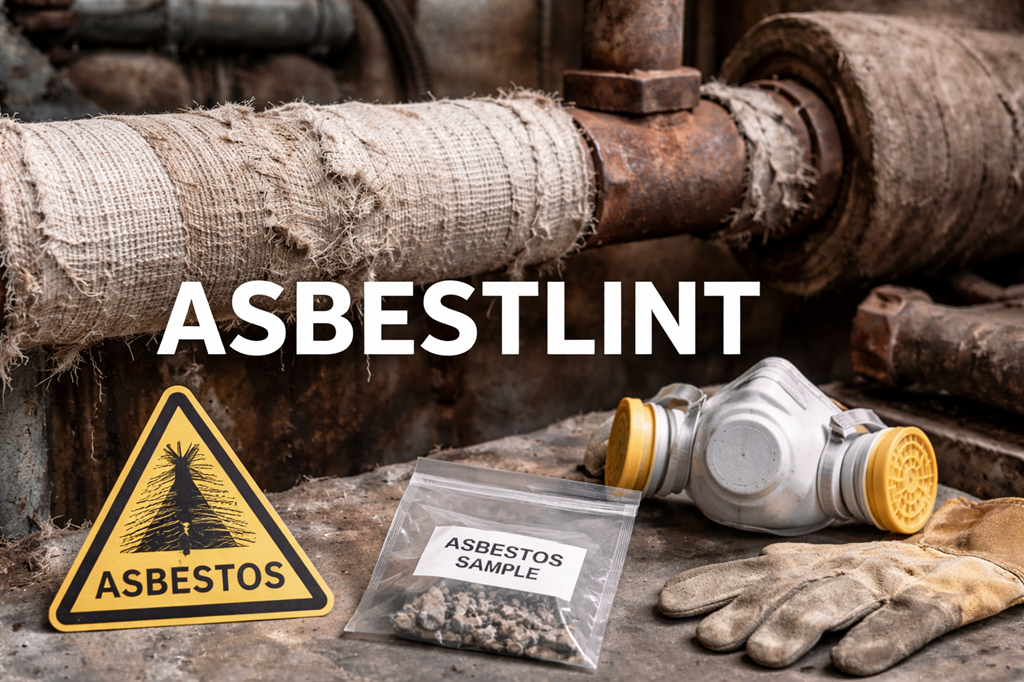
Asbestlint is not a term most people search for intentionally. However, once it appears in a home, workplace, or inspection report, it becomes impossible to ignore. This material carries a long industrial history and, at the same time, serious health implications. Understanding Asbestlint clearly and accurately is essential for safety, compliance, and long-term well-being.
Although asbestos is widely known today, Asbestlint often remains misunderstood. It frequently hides in plain sight, especially in older buildings, and exposure risks often go unnoticed until disturbance occurs. This article explains what Asbestlint is, where it is found, why it is dangerous, and how it should be managed responsibly.
What Is Asbestlint?
Asbestlint refers to a tape-like or strip-shaped asbestos-containing material that was historically used for insulation, sealing, and fire resistance. Manufacturers produced it by weaving asbestos fibers into flexible bands that could be wrapped around surfaces exposed to heat.
Because of its structure, Asbestlint was commonly applied where rigid insulation materials were impractical. It offered flexibility, durability, and resistance to extreme temperatures. As a result, it became widely used throughout the twentieth century in both residential and industrial construction.
Today, Asbestlint is classified as a hazardous legacy material rather than a functional building product.
Why Asbestlint Was Widely Used
At the time of its popularity, Asbestlint solved several practical problems. It performed reliably in environments where heat, friction, and chemical exposure were constant. Therefore, engineers and installers trusted it for long-term performance.
Key reasons for its widespread use included:
- Strong heat and fire resistance
- Flexibility for wrapping pipes and joints
- Long service life with minimal maintenance
- Compatibility with industrial and mechanical systems
Because awareness of asbestos risks developed slowly, safety concerns were not fully understood during early use.
Common Places Where Asbestlint Is Found
Asbestlint appears most often in structures built or renovated before strict asbestos regulations were introduced. While it is rarely visible at first glance, it commonly exists in areas designed to control heat or prevent fire spread.
Typical locations include:
- Pipe insulation near boilers and heating systems
- Ductwork joints and flue connections
- Wrapping around valves and exhaust components
- Roofing and ceiling materials in older buildings
- Industrial machinery and power systems
Because Asbestlint blends into surrounding materials, it often remains undetected for decades.
Health Risks Linked to Asbestlint Exposure
The danger of Asbestlint does not come from its presence alone. Risk increases significantly when the material becomes damaged, aged, or disturbed. At that point, microscopic asbestos fibers can become airborne and enter the lungs.
Long-term exposure is associated with severe illnesses, including:
- Asbestosis, a chronic scarring of lung tissue
- Mesothelioma, a rare and aggressive cancer
- Lung cancer linked to prolonged inhalation
- Pleural thickening that restricts breathing
Symptoms often take many years to develop. Therefore, prevention and early identification remain critical.
How to Identify Asbestlint Safely
Visual identification alone is not reliable. However, certain indicators can suggest the possible presence of Asbestlint, especially in older properties.
Warning signs may include:
- Woven or fabric-like tape around pipes
- Frayed or brittle insulation strips
- Lint-like fibers near heating systems
- Discolored or deteriorating wrap materials
Importantly, suspected material should never be touched or sampled without proper training. Professional testing is the only safe way to confirm asbestos content.
What to Do If You Suspect Asbestlint
When Asbestlint is suspected, immediate and calm action is essential. Rushing or attempting removal without knowledge can worsen exposure risks.
Recommended steps include:
- Stop all work in the affected area
- Avoid touching or disturbing the material
- Restrict access to limit potential exposure
- Contact a certified asbestos inspector
- Follow professional guidance for next actions
Documentation and controlled assessment help prevent unnecessary risk.
Managing and Removing Asbestlint Safely
In many cases, Asbestlint does not require immediate removal. If the material remains intact and undisturbed, professionals may recommend controlled management instead.
When removal becomes necessary, licensed asbestos specialists follow strict procedures, including:
- Area containment and airflow control
- Use of protective equipment
- Wet removal methods to reduce fiber release
- HEPA-filtered cleaning and decontamination
- Approved hazardous waste disposal
DIY removal is strongly discouraged and often illegal due to the health risks involved.
Legal and Safety Considerations
Most countries enforce strict regulations regarding asbestos materials. Property owners, employers, and contractors have legal responsibilities to manage Asbestlint safely.
Common regulatory requirements include:
- Mandatory asbestos surveys before renovation
- Licensed professionals for removal work
- Proper labeling and documentation
- Controlled disposal at approved facilities
Failure to comply can result in serious legal and financial consequences.
Modern Alternatives to Asbestlint
Advances in material science have eliminated the need for asbestos-based products. Today, safer alternatives provide similar performance without health risks.
Common replacements include:
- Fiberglass insulation tape
- Ceramic fiber materials
- Mineral wool insulation
- High-temperature synthetic seals
These alternatives meet modern safety standards while maintaining efficiency.
Why Awareness Still Matters
Although Asbestlint is no longer used in new construction, it remains present in many older environments. Awareness helps prevent accidental exposure and supports informed decision-making during repairs or upgrades.
Education, inspection, and responsible management reduce risk not only for individuals but also for entire communities.
Conclusion
Asbestlint represents a powerful lesson from industrial history. Once valued for strength and heat resistance, it later revealed serious long-term health dangers. Today, it stands as a regulated legacy material that requires informed handling and professional oversight.
Understanding Asbestlint allows property owners, workers, and managers to act responsibly. Through awareness, proper identification, and expert intervention, exposure risks can be minimized effectively.
Safety begins with knowledge. Acting early protects health, ensures compliance, and prevents lasting harm.