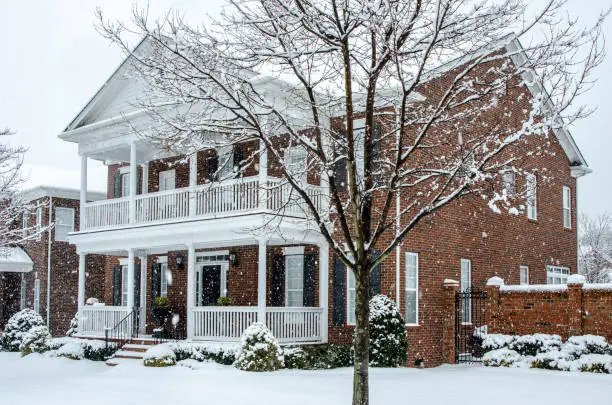
Winter brings a certain charm that is hard to replicate in other seasons. There is something undeniably magical about watching snowflakes drift gently past the window while you are curled up under a blanket with a warm drink. However, once the novelty of the first snowfall fades, the reality of the season sets in. Winter weather is not just a backdrop for holiday festivities; it is a formidable force that can wreak havoc on your property if you aren’t prepared.
High winds, freezing temperatures, and heavy accumulation of snow and ice act as a stress test for your house. Every crack, leak, and uninsulated pipe becomes a potential failure point when the mercury drops. Understanding these risks is the first step toward prevention. By identifying vulnerable areas before a storm hits, you can save yourself the headache—and the significant expense—of emergency repairs in the dead of winter. Here are ten specific ways winter storms can affect the structural integrity and comfort of your home.
1. Ice Dams on the Roof
One of the most common and destructive winter issues is the formation of ice dams. This phenomenon occurs when heat escapes from your living space into the attic, warming the roof deck and melting the snow. As this meltwater runs down to the colder eaves, it refreezes. Over time, this creates a ridge of ice that prevents subsequent water from draining.
The trapped water has nowhere to go but backward, often seeping under shingles and leaking into your attic or walls. This can lead to soaked insulation, rotted roof decking, and ruined drywall ceilings. Proper attic insulation and ventilation are your best defenses against this sneaky form of water damage.
2. Frozen and Burst Pipes
Water expands when it freezes, and inside a rigid copper or PVC pipe, that expansion creates immense pressure. When the temperature plummets, pipes located in unheated areas—such as basements, attics, or exterior walls—are at high risk.
If a pipe bursts, it can release hundreds of gallons of water into your home in a matter of hours, causing catastrophic flooding. Even a small crack can lead to significant mold growth and structural rot over time. Keeping your thermostat set to a consistent temperature and insulating exposed plumbing are critical preventative measures.
3. Gutter Damage
Gutters are designed to channel rain, not support hundreds of pounds of frozen water. When snow melts and refreezes in your gutters, the sheer weight can cause them to pull away from the fascia board or collapse entirely.
Additionally, clogged gutters contribute to the ice damming issues mentioned earlier. Before the first storm hits, ensuring your gutters are free of autumn leaves and debris allows meltwater to flow freely, reducing the strain on the system.
4. Compromised Windows and Seals
Winter storms are excellent at revealing where your home’s envelope is failing. High winds can drive cold air through microscopic gaps around your window frames, causing your heating system to work overtime. Furthermore, extreme temperature fluctuations can cause thermal stress cracks in the glass itself.
If you notice persistent condensation between panes or feel a distinct chill near the glass, your seals may have failed. In areas with harsh winters, upgrading to high-efficiency glass is often necessary. Residents in colder climates frequently find that scheduling a window replacement in Logan UT, or similar regions known for heavy snowfall, can drastically improve indoor comfort and energy efficiency.
5. Foundation Cracks and Heaving
The ground around your home goes through a freeze-thaw cycle that can be incredibly damaging to your foundation. As the soil freezes, it expands and pushes against your foundation walls. When it thaws, the soil contracts.
This constant movement can cause “frost heave,” leading to cracks in your foundation or basement walls. Once a crack forms, water from melting snow can seep in, freeze again, and widen the fracture. Ensuring proper drainage away from your home’s perimeter is essential to minimizing this risk.
6. Siding Damage
Different types of siding react differently to extreme cold. Vinyl siding, for instance, can become incredibly brittle in freezing temperatures. If hit by hail or a windblown branch during a storm, it is much more likely to crack or shatter than it would be in the summer.
Wood siding faces a different threat: moisture. If snow piles up against the side of your house, the wood can absorb moisture, leading to rot or peeling paint come spring. Keeping snow shoveled away from the base of your home helps preserve the exterior cladding.
7. Chimney Deterioration
Your chimney endures the brunt of winter winds and snow. If the flashing—the metal seal between the chimney and the roof—is damaged or rusted, water can leak into the attic.
Furthermore, masonry chimneys are porous. They absorb water, which then freezes and expands. This process, known as spalling, causes the face of the bricks to pop off and the mortar joints to deteriorate, potentially compromising the structural stability of the chimney stack.
8. Tree Limb Collapse
Heavy, wet snow and ice accumulation can weigh down tree branches significantly. Limbs that appear sturdy in July can snap easily under the burden of a winter storm.
If these branches overhang your roof, driveway, or power lines, they pose a serious threat. A falling limb can puncture a roof, smash a window, or take down the electrical service to your home. Pruning dead or overhanging branches in late autumn is a proactive way to protect your property.
9. Driveway and Walkway Erosion
Concrete and asphalt are durable, but they aren’t invincible. Similar to your foundation, your driveway is susceptible to the freeze-thaw cycle. Water enters small cracks, freezes, and forces the crack open wider.
Additionally, the salt and chemical de-icers used to melt ice can corrode concrete surfaces, leading to pitting and scaling. Using sand or kitty litter for traction instead of harsh chemicals can help prolong the life of your hardscaping.
10. Entryway and Floor Damage
The damage isn’t always limited to the exterior. Winter storms mean tracking in snow, grit, salt, and slush. When this mixture melts on hardwood floors, the moisture can seep into the wood grain, causing warping, staining, or cupping.
Chemical de-icers tracked in on boots can also strip the finish off wood floors and damage carpets. Placing heavy-duty mats both outside and inside every entrance provides a barrier that protects your interior flooring from the harsh elements outside.
Protecting Your Investment
Your home is likely your biggest investment, and winter is its toughest adversary. While you cannot control the weather, you can control how prepared your home is to face it. Regular maintenance, such as cleaning gutters, inspecting the roof, and sealing drafts, goes a long way toward mitigating storm damage.
However, if you spot signs of failure—like drafty glass or failing seals—don’t wait for the weather to improve. Addressing issues promptly, whether it’s fixing a roof leak or arranging for window replacement in Logan UT, ensures your home remains a safe, warm sanctuary regardless of what is happening outside.