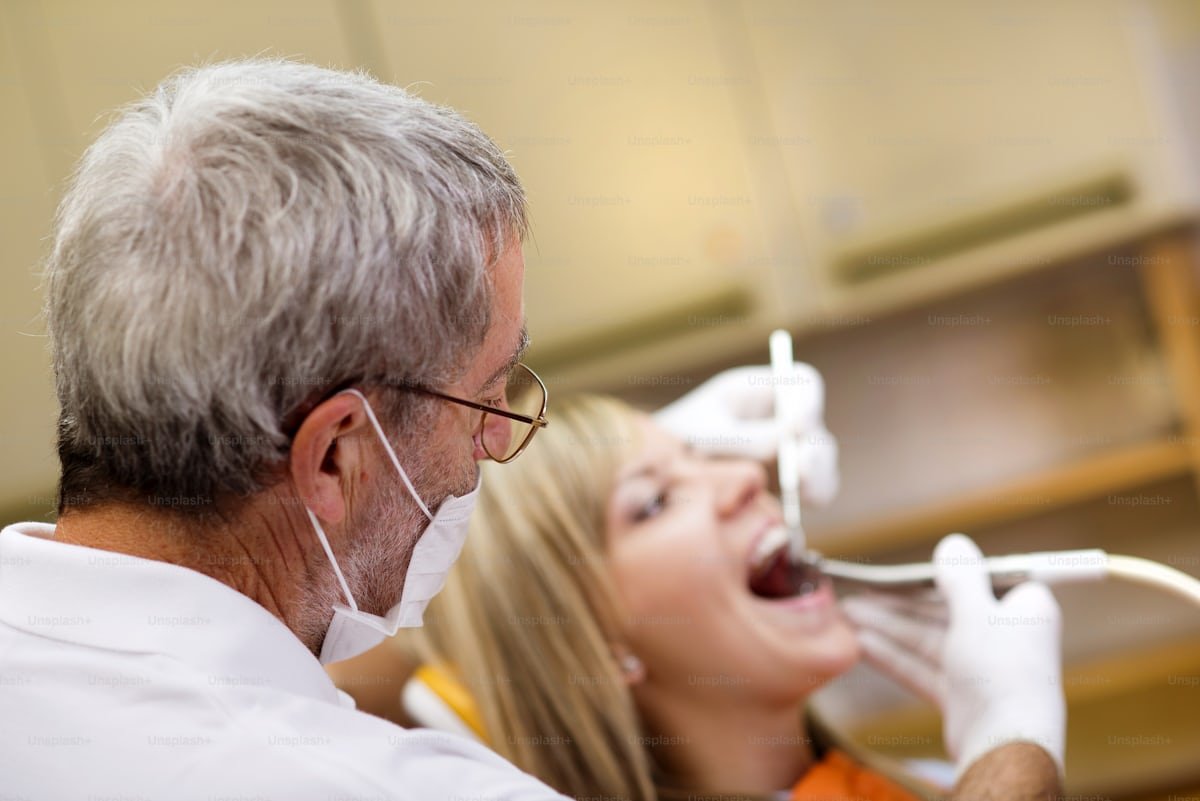
We all know the feeling. You’re sitting in the dental chair, bib on, mouth numb, thinking you’re finally done, only to hear the dentist say, “Okay, we’ll see you back in two weeks to finish this up.”
Multiple appointments for a single procedure used to be the standard. You would have to schedule time off work, drive to the clinic, wait in the lobby, and undergo the procedure twice. It disrupts your schedule and often leaves you walking around with temporary fixes that are uncomfortable or fragile.
Fortunately, the dental industry has undergone a quiet revolution over the last decade. Technology has shifted from analog to digital, and materials have evolved from slow-setting mixtures to instant-cure composites. Today, efficiency is just as important as clinical excellence. Modern dental offices are increasingly equipped with tools designed to get you in, treated, and back to your life in a single sitting.
Here are nine dental advances that are drastically reducing the need for repeat visits.
1. CAD/CAM Technology and Single-Visit Restorations
Computer-Aided Design and Computer-Aided Manufacturing (CAD/CAM) is perhaps the most significant time-saver in modern restorative dentistry. In the past, getting a crown was a tedious two-trip process. The first visit involved messy impression paste, tooth preparation, and the placement of a temporary crown. You then had to wait weeks for an off-site lab to craft the permanent version.
With CAD/CAM technology, specifically systems like CEREC, the entire process happens chairside. The dentist uses a digital wand to take a 3D scan of your tooth—no goopy paste required. The machine then mills a custom crown from a solid block of ceramic right in the office while you wait.
This technology has made services like same-day crowns in Wasilla a reality for many patients. You walk in with a damaged tooth and walk out with a permanent, high-quality restoration just a couple of hours later. There is no second appointment, no temporary crown to worry about, and no numbness on a different day.
2. Digital X-Rays
While X-rays are a diagnostic tool rather than a treatment, the shift from film to digital has streamlined the entire appointment flow. Traditional film X-rays required chemical development, which took time. If the image was blurry, the process had to be repeated.
Digital sensors capture images instantly. The dentist can view them on a high-definition screen immediately, zooming in and adjusting contrast to spot issues that might be missed on film. This speed allows for immediate diagnosis and treatment planning. Instead of waiting for images to develop and potentially having to book a follow-up consultation to discuss complex results, you can often review the findings and start treatment during the same visit.
3. Laser Dentistry
Lasers have transformed soft tissue procedures. Traditional gum surgery usually involves scalpels, sutures, and a significant recovery period, often requiring a follow-up visit to remove stitches and check healing.
Dental lasers use focused light energy to remove or reshape tissue. The laser cauterizes nerve endings and blood vessels as it works, which minimizes bleeding and dramatically reduces post-operative pain. Because the laser seals the tissue, there is often no need for sutures. This eliminates the “suture removal” appointment. Furthermore, the precision of lasers often means less damage to surrounding tissue, speeding up recovery so you don’t need to return for complication checks.
4. 3D Printing
Much like CAD/CAM, 3D printing brings the dental lab into the dental office. Dentists can now print surgical guides for implants, models for studying complex cases, and even night guards or retainers in-house.
Previously, if you needed a night guard, you would have impressions taken and sent away. Weeks later, you would return for a fitting. Now, a dentist can scan your teeth and print the appliance in a matter of hours. This capability reduces the dependency on external labs and the shipping delays that come with them, allowing treatments that used to take weeks to be completed in days or even hours.
5. Intraoral Cameras
An intraoral camera is a small, wand-sized device that projects live images of the inside of your mouth onto a screen. While this might seem like just a visual aid, it plays a huge role in efficiency.
When you can see exactly what the dentist sees—a cracked tooth, a receding gum line, or decaying filling—communication becomes instantaneous. You don’t need to go home, think about it, and come back for a consultation. The “co-diagnosis” happens in real-time. This immediate understanding allows patients to make informed decisions on the spot, often allowing the dentist to treat the issue right then and there rather than scheduling a separate treatment visit.
6. Immediate Load Implants
Dental implants have traditionally been a waiting game. You would get the implant post placed, wait months for it to heal (osseointegration), and then return to have the tooth (crown) attached.
Advances in implant surface technology and 3D imaging now allow for “immediate load” implants in qualifying candidates. This is often marketed as “Teeth in a Day.” While the biology of healing still happens over time, the stability of modern implants allows dentists to attach a temporary (but functional) tooth immediately after placing the implant. You leave the surgery with a complete smile rather than a gap, sparing you the embarrassment and the extra visit just to fit a temporary.
7. Teledentistry
Sometimes, the best way to save a trip to the dentist is not go at all. Teledentistry exploded in popularity recently and has proven its staying power. It allows patients to consult with their dentist via video call for preliminary screenings, post-op checkups, or consultations.
If you aren’t sure if a chipped tooth constitutes an emergency, a quick video call can triage the situation. The dentist can determine if you need to come in immediately or if it can wait. This saves you from driving to the clinic for a five-minute conversation. It optimizes the time you do spend in the chair for actual treatment.
8. Air Abrasion
For small cavities, the drill isn’t always necessary. Air abrasion works like a mini sandblaster to spray away decay. It is quiet, heat-free, and crucially, often painless.
Because air abrasion creates no vibration or heat, many patients do not require anesthesia. Skipping the injection and the waiting period for the numbness to set in shaves significant time off the appointment. It also means you don’t leave with a numb face, so you can go back to work or eat immediately. By removing the need for needles, dentists can often treat cavities in multiple quadrants of the mouth in one sitting, whereas they might otherwise spread them out to avoid numbing your entire jaw at once.
9. Advanced Composite Bonding
In the past, repairing a chipped or discolored tooth often meant a veneer or crown—both lab-fabricated solutions requiring two visits. Today’s composite resin materials are incredibly strong and aesthetic.
Through composite bonding, a dentist can reshape a tooth, fix a chip, or close a gap in a single appointment. The material is applied, sculpted, and hardened with a special light instantly. It is polished to match your natural enamel, and you are done. There is no waiting for a lab to bake porcelain; the artistry happens chairside, instantly restoring your smile.
More Time Smiling, Less Time Waiting
The goal of modern dentistry is to integrate into your life, not dominate it. These nine technological advances respect your time by condensing weeks of treatment into days or even single hours. Whether you are looking for same-day crowns in Wasilla or laser gum treatments that heal overnight, the technology exists to make your dental care faster and more efficient than ever before.
Next time you schedule an appointment, ask your dental team about the technology they use. You might find that the procedure you thought would take a month can be done before lunch.