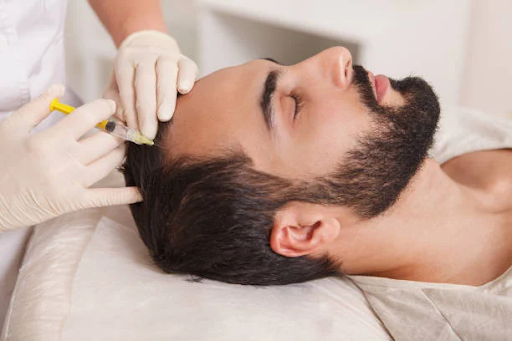
Hair loss can feel confusing when it seems to happen without warning. Some people notice shedding after pregnancy, while others experience gradual thinning linked to hormonal changes or chronic scalp irritation. Learning how hormonal hair loss treatment, anti-inflammatory scalp treatment, and postpartum hair loss treatment work helps you respond with clarity instead of panic.
Hair growth is closely connected to internal balance and scalp health. When hormones shift or inflammation develops, the hair cycle can become disrupted. Addressing the root cause improves the chance of stabilizing shedding and supporting healthier regrowth.
How Hormones Influence Hair Growth
Hormones play a major role in regulating the hair cycle. Estrogen, progesterone, thyroid hormones, and androgens all influence how long hair stays in the growth phase. When these levels fluctuate, more hair may enter the shedding phase at the same time.
Hormonal imbalances can occur due to stress, thyroid changes, menopause, polycystic ovarian syndrome, or natural life transitions such as pregnancy and postpartum recovery. In these situations, hair follicles are not permanently damaged but may become temporarily disrupted.
Recognizing the hormonal link is important because treatment should focus on balance rather than only surface level solutions.
What Hormonal Hair Loss Treatment Involves
Hormonal hair loss treatment aims to stabilize the hair cycle and create better conditions for regrowth. The approach depends on identifying the underlying trigger.
Supporting Internal Balance
In some cases, blood testing may help detect thyroid or hormone irregularities. When internal imbalances are corrected under medical supervision, hair shedding often improves gradually.
Strengthening Hair Follicles
Topical or in clinic therapies may be used to stimulate follicles and extend the growth phase. These treatments focus on supporting existing follicles that are still capable of producing hair.
Reducing Ongoing Stress on the Scalp
Chronic tension, inflammation, or buildup can worsen hormonally triggered hair loss. Addressing scalp health alongside hormonal hair loss treatment provides a more complete strategy.
Results are rarely immediate. Hair regrowth requires patience because follicles must cycle back into the active growth phase.
The Role of Inflammation in Hair Thinning
Scalp inflammation can interfere with healthy hair production. Irritation may develop from product buildup, sensitivity reactions, autoimmune conditions, or chronic skin disorders.
An unhealthy scalp environment may restrict follicle function and contribute to increased shedding. That is where anti-inflammatory scalp treatment becomes relevant.
How Anti-Inflammatory Scalp Treatment Supports Recovery
Anti-inflammatory scalp treatment focuses on calming irritation and restoring balance to the scalp surface. When inflammation decreases, follicles often function more efficiently.
Reducing Redness and Sensitivity
Targeted treatments may include soothing solutions, gentle exfoliation, or light based therapies designed to calm irritated skin. A balanced scalp supports stronger hair strands.
Improving Circulation
Some anti-inflammatory scalp treatment approaches also aim to improve blood flow. Better circulation delivers oxygen and nutrients to follicles more effectively.
Creating a Healthier Growth Environment
By reducing swelling and irritation around follicles, the scalp becomes more supportive of consistent hair growth cycles.
Combining anti-inflammatory scalp treatment with hormonal hair loss treatment may improve overall outcomes when both imbalance and irritation are present.
Understanding Postpartum Hair Loss
Postpartum hair loss is a common experience after childbirth. During pregnancy, elevated estrogen levels often extend the growth phase of hair, resulting in thicker appearance. After delivery, hormone levels drop, and many hairs shift into the shedding phase at once.
This type of shedding is usually temporary. However, the volume of hair loss can feel alarming.
What Postpartum Hair Loss Treatment Focuses On
Postpartum hair loss treatment is designed to support recovery rather than aggressively force regrowth. In most cases, the hair cycle gradually normalizes within several months.
Gentle Scalp Care
Using mild products and avoiding harsh styling practices reduces additional stress on fragile hair strands.
Nutritional Support
After pregnancy, the body requires adequate nutrients for recovery. Ensuring balanced intake of iron, protein, and essential vitamins can support hair health.
Stimulating Regrowth
When shedding persists or feels excessive, certain in clinic therapies may be recommended to encourage follicles to re enter the growth phase more efficiently.
Postpartum hair loss treatment should always consider overall recovery, sleep patterns, and stress levels. Addressing these factors supports more stable long term improvement.
When to Seek Professional Assessment
Temporary shedding is common in hormonal transitions, but prolonged or severe hair loss should be evaluated. A professional assessment helps determine whether the cause is purely hormonal, inflammatory, nutritional, or related to another medical condition.
Clear diagnosis shapes the treatment plan. Without identifying the trigger, treatments may produce limited results.
Managing Expectations During Treatment
Hair growth is gradual. Most hormonal hair loss treatment and postpartum hair loss treatment plans require consistent follow up over several months. Early stabilization of shedding is often the first positive sign before visible regrowth appears.
Anti-inflammatory scalp treatment may improve scalp comfort quickly, but visible changes in density take time. Tracking progress through photos rather than daily observation helps maintain realistic expectations.
Taking a Balanced Approach to Hair Recovery
Hair loss linked to hormones or inflammation often responds best to a balanced plan rather than a single solution. Hormonal hair loss treatment addresses internal shifts. Anti-inflammatory scalp treatment restores a healthier surface environment. Postpartum hair loss treatment supports natural recovery during a major life transition.
Understanding the connection between hormones, scalp health, and the hair cycle reduces fear and improves decision making. When treatment is guided by proper assessment and steady follow through, many people experience stabilization and gradual improvement over time.
Patience, consistency, and informed care form the foundation of meaningful hair recovery.