
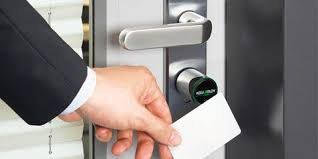
Being in charge of a care home is a unique privilege, but one that comes with exceptional pressure. Having the well-being of so many people under your leadership is a difficult experience that can be made more difficult by a lack of security. We have seen first-hand the kind of impact that poor quality security in a care home can have; even things like cupboard locks can be a game-changer and help to reduce the risk of dangerous situations unfolding. What kind of locks are ideal for this industry?
To help make your decision easier, we spoke with professionals who are experts in Locks & Handles. Thanks to their exceptional experience in the lock industry, they were able to provide us with some great insight about care home cupboard locks. For the most part, you will be using the kind of cupboard locks baby and toddler rooms have; easy to manage for adults, but easy to keep locked for security and safety.
From residents with issues such as dementia to children coming to visit their grandparents, creating safe living and visiting conditions should be your priority. Let’s take a look at some of the best cupboard locks you can install in care homes to keep residents and their visitors suitably safe.
Care Homes Need Cupboard Safety To Be Taken Seriously
In a care home environment, the list of challenges that you need to contend with on a daily basis can be daunting. We have witnessed the impact that having smart security and safety implementations put in place can have, though. Thanks to something as simple as some cupboard locks, you can make sure that residents and their guests coming to visit them are never put at needless risk. After all, it only takes one cupboard incident to leave someone injured and your care home with a nightmare scenario!
When we spoke with Locks & Handles, they were clear that cupboard locks are not just a ‘nice to have’ feature – they are essential. Patients with dementia or similar issues can put themselves at risk without even meaning it. So, too, can grandchildren and younger family members come to visit your residents. Challenges can stem from:
- Physical conditions that can make accessing cupboards unchallenged difficult
- Mental impairments that have the risk of putting someone in harm’s way
- Medical storage for medication and treatment that needs careful access
- Cupboards that could contain potentially dangerous goods
Management of care homes never wants to take away the ability for residents to be independent. There has to be a balance, though, starting with a priority focus for keeping people safe. That is why investing in some new child cupboard locks can be just the ticket to keep residents and younger visitors safe from needless hazards.
Baby & Child Cupboard Locks In Care Homes
Look, we understand that it might feel patronising to install baby cupboard locks on an adult resident’s cupboards and cabinets. It is, though, the best way to find high-quality, reliable security solutions that keep them safe whilst making sure that cupboards can be safely opened with the right supervision. You should be looking to invest in locks which are non-invasive and do not themselves put people at risk due to their size or position. At the same time, they should be easy to use for your staff.
Good examples of high-quality cupboard locks for care homes include:
Keyed Locks
Generally, the best place to start with care home cupboard locks is with locks operated by key. These stop certain cupboards – like cupboards containing cleaning utensils, chemical products, medication, etc. – from being opened. A keyed lock can be easily managed by your staff members. If a resident ever needs to get into one of these cupboards, they simply need to ask a staff member to assist.
Expect some pushback from your more independent members, but keyed locks are a great idea. They can keep dangerous products, or products that should only be used sparingly, safe from being opened when they should be left alone. It also stops younger visitors from getting into places that contain risky products, dangerous chemicals or things like medication that need to be carefully managed.
Magnetic Cupboard Locks
Another choice would be to install magnetic cupboard locks in each room. Residents will be unable to open these accidentally as they lock using a magnetic “key” – you can provide more able residents with the key, while staff can protect other less able residents from risk by having the key on their person instead. This also stops young visitors from opening up cupboards that should be kept shut.
Most magnetic cupboard locks are also low-profile in design, too, avoiding them from standing out too much. Generally, these make a great choice for medium-priority cupboards that still need to be opened on a regular basis, i.e. medicine cabinets.
Swing Handle Locks
For cupboard areas that are generally for staff only, swing handle locks make sense. These can have a lock installed so that they can only be opened with a set of staff member keys. That can stop residents who are more adventurous from looking into these cupboards. It also means it is easier to help stop children from running around in cupboards that contain things like supplies and cleaning tools.
A swing handle lock is easy to open and close, but it can be locked easily enough. That makes swing handle locks a wise choice for many care homes looking to help ensure staff can easily access these areas without putting children or guests at risk. It really is that simple to make sure your residents cannot access areas that contain items not suited for them!
Subtle Safety For Residents: A Worthwhile Investment
Some discreet but easily managed locks are the ideal choice for any care home looking to reduce the risk of resident injuries. Keep the above in mind when you are shopping around for cupboard locks that are a good choice in your care home.
At the same time, Locks & Keys staff recommend that you go for gentle-use models. These have greater resistance to wear and tear, but are also designed to ensure that, once unlocked, the doors do not spring open or open with speed, which could potentially put people at risk.
