
Recovery is rarely a journey taken alone. When someone is struggling, the impact is often felt by partners, parents, children, and close friends. In Saskatoon, recovery support services are designed to help individuals regain stability while also supporting the families who care about them.
Rather than relying on rigid programs, community recovery support focuses on understanding personal circumstances, emotional well-being, and family dynamics. This approach helps individuals move forward in a way that feels realistic, while families gain clarity and guidance throughout the process.
Understanding Personal Challenges and Life Circumstances
Every situation is shaped by different pressures. Work demands, emotional stress, mental health concerns, and relationship strain all influence how challenges develop and how support should be provided.
This is why addiction treatment in Saskatoon increasingly focuses on personalized planning rather than uniform solutions. Support often begins with careful conversations that explore daily routines, emotional stressors, and the effects on family life. When care reflects real-world circumstances, individuals are more likely to stay engaged and committed.
Supporting Families Alongside Individuals
Families often feel unsure about how to help. Without clear guidance, even well-meaning support can lead to frustration or conflict.
Recovery services in Saskatoon frequently include family-focused education and coaching. These conversations help loved ones understand boundaries, communication strategies, and how to provide encouragement without increasing tension. When families feel informed and involved, trust can begin to rebuild.
When Structured Guidance Becomes Important
There are times when concern becomes more urgent. Families may notice increasing withdrawal, changes in behaviour, or consequences that feel difficult to manage alone.
In these moments, structured guidance such as drug intervention may be discussed as part of a broader support plan. When introduced thoughtfully and respectfully, this approach focuses on safety and clarity rather than confrontation. Handled with care, it can help individuals recognize the need for change without feeling judged.
Addressing Emotional Wellbeing and Ongoing Stress
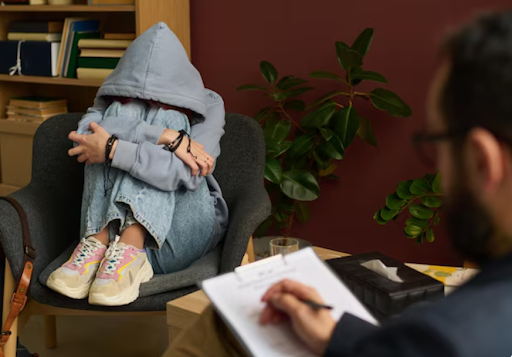
Recovery is not only about changing behaviours. Emotional wellbeing plays a significant role in long-term stability. Ongoing stress, anxiety, and unresolved experiences can make progress more difficult if they are not addressed.
Many recovery support services in Saskatoon include emotional support alongside practical guidance. One-on-one conversations may focus on stress management, emotional awareness, and healthier coping strategies. As emotional balance improves, individuals often feel better equipped to handle everyday challenges.
Flexible Support That Fits Everyday Life
Not everyone can step away from work or family responsibilities for extended periods. Flexible recovery support allows individuals to receive help while remaining connected to their daily lives.
Addiction treatment in Saskatoon often includes options that adapt over time. Support may become more structured during challenging periods and shift toward maintenance as stability improves. This flexibility helps recovery feel sustainable rather than disruptive.
Building Long-Term Stability Together
Recovery is an ongoing process, not a single event. Continued support helps individuals and families prepare for future challenges and respond with confidence when difficulties arise.
Follow-up conversations, periodic check-ins, and access to guidance all contribute to long-term stability. Families benefit from knowing they are not expected to manage everything alone, while individuals gain reassurance that support remains available.
Final Thoughts
Recovery is not a fixed path or a one-time decision. It is shaped by personal experiences, family relationships, and everyday responsibilities. When support respects these realities, individuals are more likely to move forward with confidence and consistency.
In Saskatoon, recovery support is most effective when it focuses on understanding, flexibility, and long-term stability. By involving families and adapting to individual needs, support becomes more meaningful and sustainable over time.
Lasting progress often comes from steady guidance, open communication, and the ability to take each step at a pace that feels realistic and manageable.