
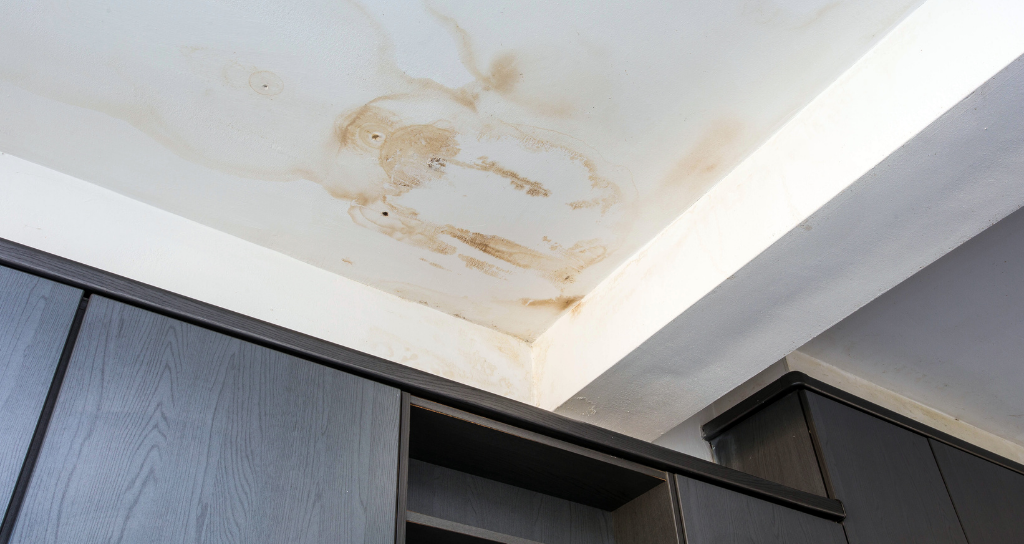
Rain is expected to wash away dirt, but homeowners often see the opposite. After intense rainfall, a house’s exterior siding can get some dark streaks or muddy stains. These stains can be disrespecting to the house. Sometimes a house can be just as clean on the exterior as the neighbors house, but if they don’t have these stains, they look newer and better. Knowing why these stains occur can help the homeowners prevent it and keep the exterior in good condition.
Most people notice the stains the first time the water runs off the roof and across the siding. In some instances, the problem is because the drainage system is not working as it should. When water runs in an uncontrolled and uneven manner, it picks up and transfers dirt and debris to the siding. For this reason, many homeowners depend on the professional gutter cleaning services to control where the rain water runs and keep it away from the siding of the buildings.
Below are some of the most common causes for the presence of stains on siding after rainstorms.
Patterns of Runoff from Roofs
A leading cause of siding stain is how rainwater is directed from the roof of the building. As rain falls on your roofs it collects dirt, and debris along the way as it drains to the gutters and gets directed to the gutters
Depending on the roof construction design, roof runoff may follow the same path. When water runs, splashes and steams out, it darkens the siding especially if it does this repeatedly.
Homes with steep roofs or large roof sections may experience stronger runoff streams. The heavier the runoff, the greater debris it can transport along the siding. The longer the runoff runs along the siding, the greater the contrast will be along the siding.
Routinely cleaning your roof, in conjunction with proper drainage, can help to control runoff patterns.
Clean Rainwater
Clean rain water is water which has fallen from the sky to the surface of the earth. Rainwater has minimal amounts of pollution along with minerals. Clean rainwater is the most optimal for roofing materials and the construction of roofing materials.
Rain water picks up and carries minerals from your gutters, shingles, metal flashing, and metal roofing as it runs off your roof.Some sections of a building’s siding can develop a chalk-like or dark residue because of the mineral-rich water that runs down the building’s walls. The deposits are more noticeable as more mineral-rich water runs down a building’s siding with each rainfall.
The deposits can be especially noticeable on light siding. Light vinyl, aluminum, or painted siding can easily show deposits because of the mineral streaks or stains that accumulate on the same sections of the building’s siding over time.
The stains can be misidentified as mold or mildew, when in fact they are mineral streaks from evaporated water.
The stains can also be reduced or eliminated with regular cleanings, as the building’s siding can be cleaned of the stains before they become permanent.
Stains from Dirt Collection
Dirt collection at the edges of the roofing system can be cause siding stains. Dirt, as well as other organic material, can collect at the junction of the roofline and the top of the gutter.
In dry weather, organic material, such as dirt, receives a time of repose. However, once it rains, the organic material that collected at the edges of the roof gets washed down the roof.
If the organic material that collected is near or on the siding, it can become stuck on the siding. After a number of rainfalls, the visible stains on the siding increase.
Leaves, pollen, and small branches can land and collect on roofs and gutters, especially if there are trees in the vicinity.
If the debris is located in the gutters or on the roof, the dirt is likely to wash onto the home’s siding during heavy rains.
Overflow from Clogged Gutters
Gutters collect runoff water from the roof and direct it away from the home. Once they become clogged with leaves or other debris, they can no longer do this.
Instead of running through the designated downspouts, the rainwater will run over the front lip of the gutter.
This will cause the rainwater to run directly onto the siding of the house.
Additionally, the water carries dirt and other debris from the gutters, which result in streaks.
Since this generally occurs during rainstorms, the streaks become darker with each storm.
This is one of the main reasons that homeowners do gutter maintenance and exterior house cleaning at the same time. Cleaning the gutters allows them to do their job and stop dirt from running down the siding.
Environmental Debris in the Air
Dust, the remains of biological organisms, pollen, and other forms of pollution are constantly released from outdoor environments and accumulate on surfaces, including the roofs and walls of buildings.
During rainstorms, dust and other debris are washed from roof surfaces and are mixed with rainwater. Debris and dust are carried by the water when the water streams from the walls of the house.
Buildings near busy roads, construction sites, and areas with a lot of trees are exposed to a more significant amount of debris from the air. More debris available in the air results in a greater likelihood of more siding stains.
In spring, for instance, increased pollen concentration in the air leads to increased debris accumulation after every rain.
In order to reduce the air pollution debris from becoming an eyesore, the siding should be cleaned.
Algae and Organic Growth
Moist environments can encourage the growth of algae and mildew on siding surfaces. Algae and other microorganisms grow and thrive in areas that are wet for prolonged periods.
Dark black or green streaks are characteristic of algae growth, particularly on the shaded sides of buildings. The microorganisms and algae can be transported by rainwater to other areas where they thrive.
Rain does not get rid of algae or mildew, and in fact helps to expand growth along the siding.
Regular cleaning of the exterior of your home helps to get rid of algae, mildew, and other organisms and helps to stop the spread along your siding.
Splashback from the Ground
Not all stains on siding come from the roof. There is also the possibility of rainwater that collects at the foundation of the home and dirt from the ground splashing up and causing stains to the siding.
This is called splashback. During heavy rains when dirt, mulch, and plants have absorb water, the lower parts of siding can get stuck with mud and debris that have been splashed by water.
If your home does not have good drainage and your landscaping is not well kept, it can cause an increase in the frequency and severity of dirt splashing on the siding.
As an example, during storms, changing the slope of the soil away from the foundation helps to greatly reduce the amount of dirt that splashes on to the siding.
What Homeowners Can Do to Reduce Siding Stains Caused by Rain
Rain storms are not something we can control, but there are steps that can be taken in order to reduce the severity of rain stains on siding.
In order to avoid future staining issues, siding, gutter, and roof maintenance, and roof debris and siding washing should be done.
After big storms, homeowners should examine their drainage systems. We must address drainage issues before we get permanent water stains.
Landscaping and drainage could reduce or eliminate ground drainage splashback.
Accumulated debris left by rain, including minerals and organic growth, is removed during scheduled external cleaning.
Conclusion
Stains on siding are typical and affect many homeowners. As a result of roof runoff patterns, the stains are caused by clogged gutters, environmental debris, dirt accumulation, and rainwater.
While stains may seem sudden, there are many rain cycles that create a layered structure on the siding.
The cleaning of siding sings, coupled with vigilant gutter maintenance and roof runoff monitoring, is the dark streak prevention method.
Maintaining drainage systems and gutters should be a priority for homeowners that want to avoid a neglected appearance on siding after heavy rain.
