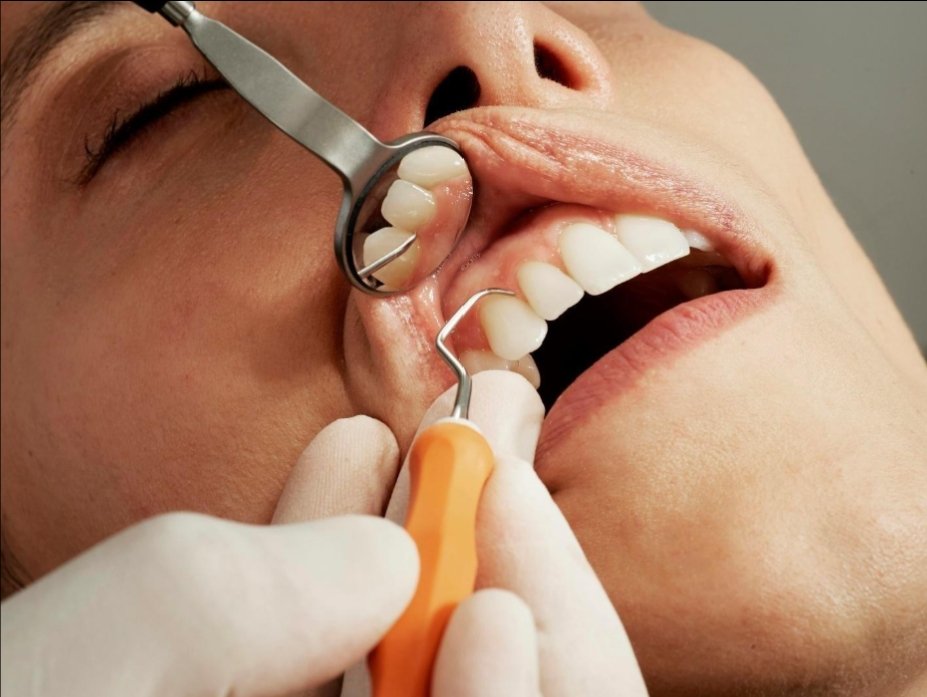
Getting dental implants is a major step toward restoring both the function and appearance of your smile.
Unlike dentures, dental implants have been designed to fuse with your jawbone, thereby ensuring a long-lasting solution for missing teeth. Although dental implants have a high success rate, the success of dental implants is largely dependent on aftercare. This means that if aftercare is not strictly adhered to, there is a high risk of developing dental implant-related complications such as infection, loosening of dental implants, and bone resorption.
Whether you have just undergone dental implants or are planning to have dental implants, it is essential to learn what aftercare tips can help maximize the benefits of dental implants. This is because dental implants, when well cared for, can last for several decades, ensuring a perfect smile and functionality.
The following are some six aftercare tips for dental implants in Bensalem.
- Follow Your Dentist’s Instructions
Perhaps one of the most necessary things to do after getting dental implants is to follow the dentist’s instructions closely. Your dentist remains the best source of guidance on medication schedules, diet restrictions, and activities to avoid after receiving dental implants in Bensalem. These instructions are intended to promote proper healing and prevent complications such as infection or implant failure.
Ignoring or deviating from these recommendations can delay healing or even jeopardize the implant. If any instruction is unclear, it is important to ask questions, and all the prescribed care routines are followed to the letter.
The result is always healthier, more successful implants if you follow your dentist’s post-surgery care recommendations.
- Maintain Proper Oral Hygiene
Oral hygiene is a critical success factor in dental implants.
Brushing at least twice a day and flossing around the implant site prevents the buildup of plaque and bacteria that can cause gum disease or peri-implantitis. Taking care to use an antibacterial mouthwash as recommended can further decrease the chances of an infection.
Regular oral hygiene protects not only the implant site but also the surrounding natural teeth and gums. Special brushes or floss for implants may be recommended to remove plaque in the spaces that are difficult to reach.
Consistency in care ensures your implants are stable, healthy, and free of complications that could compromise their effectiveness.
- Avoid Hard Or Sticky Foods
During the initial healing period, it’s important to avoid hard, crunchy, or sticky foods that could exert mechanical force on dental implants. Sticky foods like nuts, candies, or dense meat can dislodge the implant or traumatize surrounding tissue while it has not yet fused with the jawbone.
Choosing softer foods during recovery helps protect the surgical site and ensures the implants are well stabilized. Your dentist will advise you on when and how to reintroduce firmer foods to ensure you do not put excessive stress on the healing tissues.
Monitoring your diet is one of the simplest yet most effective ways to protect new dental work.
- Attend Regular Check-Ups
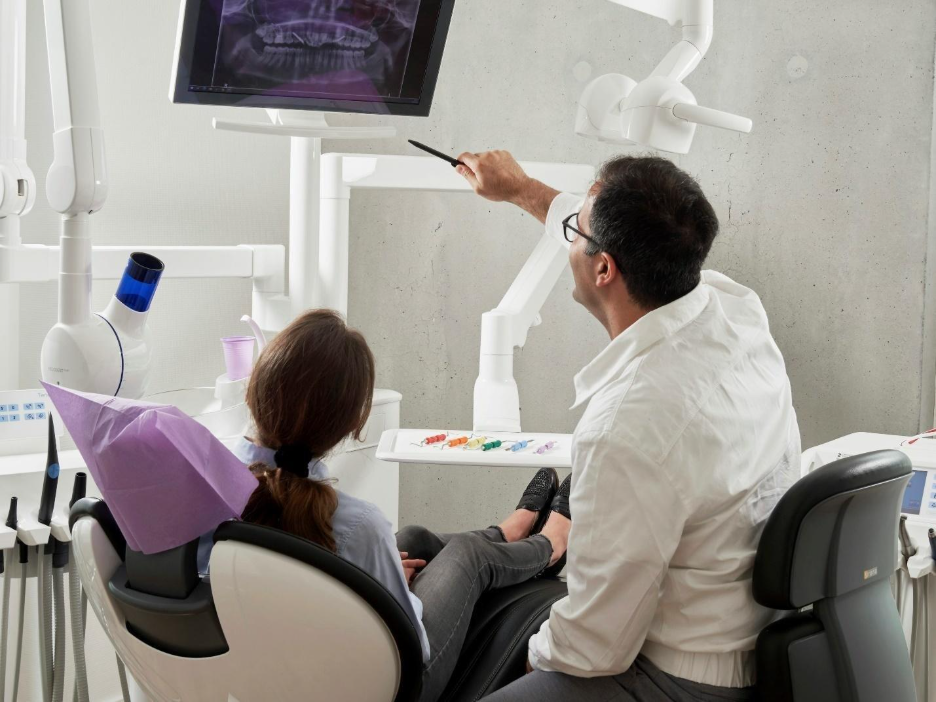
Regular dental check-ups are imperative to monitor the health condition of your implants and to timely notice any onset of infection. The dentist will also check the health of the surrounding tissues and bone and assess the overall functionality of the implant.
Consistent follow-ups will make it possible for your dentist to make necessary interventions in case any anomalies are detected to prevent possible implant failure. Another measure includes scheduling periodic cleanings that help maintain oral hygiene and protect the gums and surrounding teeth.
Ensuring these appointments are prioritized helps in managing the success rates of dental implants in the long run.
- Quit Smoking
Smoking considerably complicates the healing process and lowers the success rate in dental implantation. This prevents the implant from properly welding to the jawbone, besides increasing the chances of implant infections and failures.
Even quitting smoking temporarily for the healing period dramatically improves healing outcomes. For long-term implant health, avoiding tobacco entirely is recommended.
This will not only ensure proper healing but will also improve your oral health and systemic health, thus making sure that you protect your investment in dental implants for many years to come.
- Manage Discomfort As Directed
It is normal to experience some discomfort, swelling, or minor pain after receiving dental implants. Managing this discomfort according to your dentist’s instructions is crucial for a smooth recovery. Over-the-counter pain relievers or prescribed medications should be taken as directed to minimize discomfort and inflammation.
Applying cold compresses or following dietary recommendations can also help reduce swelling and soreness. In addition, avoid self-medicating or taking any medication not approved by your dentist, as this can interfere with healing.
By managing discomfort responsibly, you support the recovery process and ensure your dental implants integrate properly and comfortably.

Wrapping Up
Proper aftercare is pivotal in ensuring long-term success and durability of dental implants. Following your dentist’s instructions, maintaining excellent oral hygiene, avoiding hard foods, attending regular check-ups, quitting smoking, and managing discomfort are all crucial steps to support healing and protect your investment.
These practices not only accelerate your recovery process but also improve the health condition of your gum tissues, jawbone, and natural remaining teeth.
With a commitment to careful post-operative care practices, dental implant patients in Bensalem can reap the full benefits of dental implant solutions, including restored functionality, improved aesthetics, and a confident smile for a lifetime.