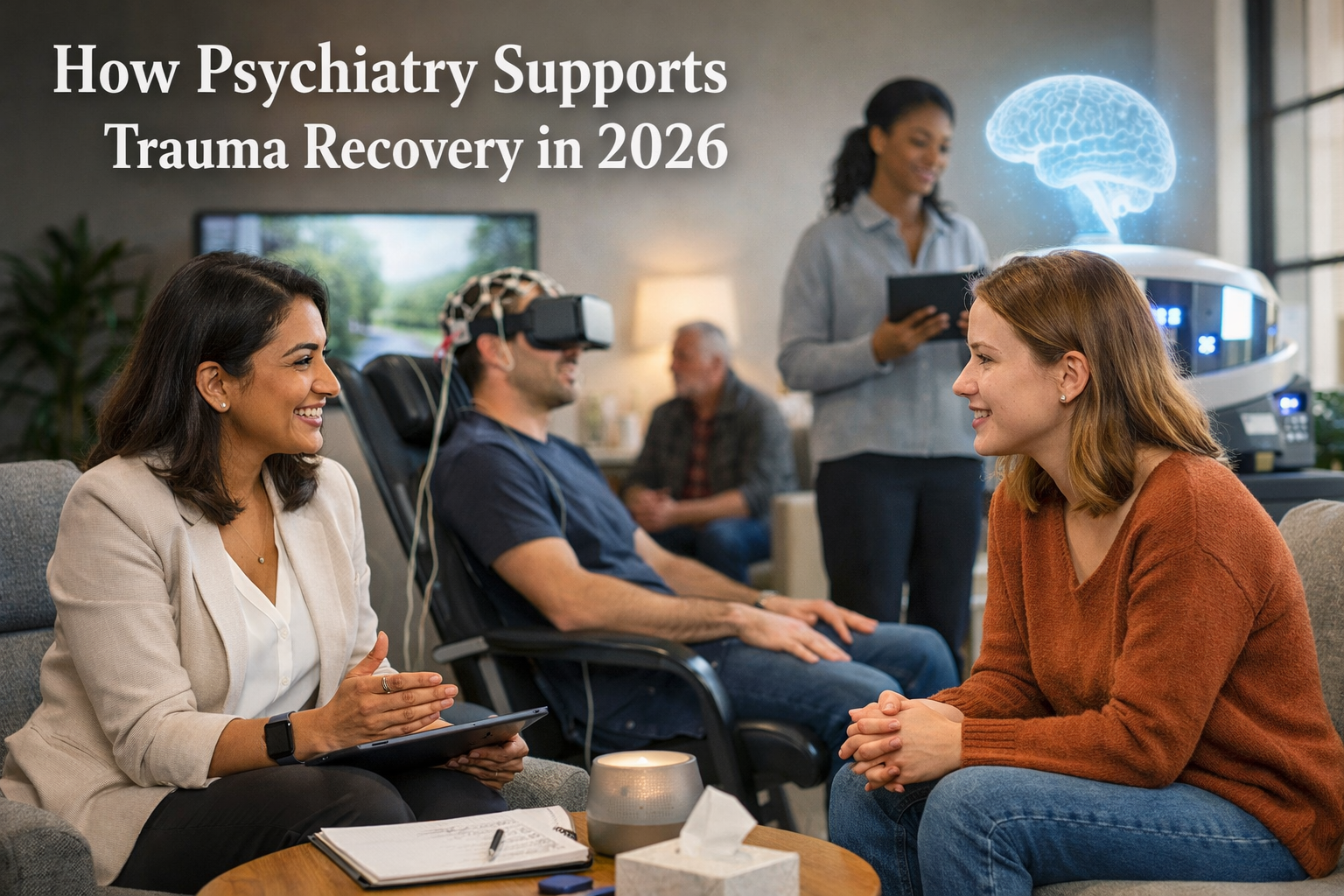
Trauma can have a lasting impact on an individual’s mental, emotional, and even physical well-being. Whether it stems from a single life-altering event or prolonged exposure to stress, trauma can reshape how a person experiences the world. In 2026, psychiatry plays a critical role in helping individuals process trauma, regain a sense of safety, and rebuild their lives through advanced, compassionate, and personalized care.
Understanding Trauma and Its Effects
Trauma is the emotional response to a deeply distressing or disturbing experience. This can include events such as accidents, abuse, loss of a loved one, natural disasters, or ongoing stress in unsafe environments. While some individuals recover naturally over time, others develop more persistent conditions such as post-traumatic stress disorder (PTSD).
Common symptoms of trauma-related conditions include intrusive thoughts, flashbacks, nightmares, emotional numbness, irritability, hypervigilance, and avoidance of reminders associated with the event. These symptoms can interfere with daily life, relationships, and overall functioning if not properly addressed.
The Psychiatrist’s Role in Trauma Recovery
Psychiatrists are uniquely equipped to help individuals navigate trauma recovery. As medical doctors, they understand both the psychological and biological effects of trauma on the brain and body. This allows them to take a comprehensive approach to treatment, addressing both emotional distress and physical symptoms.
During an initial evaluation, a psychiatrist will assess the individual’s history, current symptoms, and any co-occurring mental health conditions such as anxiety or depression. This thorough understanding forms the foundation for a personalized treatment plan that meets the patient’s specific needs.
Evidence-Based Therapies for Trauma
In 2026, several evidence-based therapies are widely used in psychiatric treatment for trauma. One of the most effective approaches is trauma-focused cognitive behavioral therapy (TF-CBT), which helps individuals process traumatic memories and develop healthier thought patterns.
Eye Movement Desensitization and Reprocessing (EMDR) is another highly regarded therapy. EMDR uses guided eye movements or other forms of bilateral stimulation to help the brain reprocess traumatic experiences, reducing their emotional intensity.
Additionally, exposure therapy is often used to gradually help individuals face and overcome fears associated with their trauma. These therapies are carefully guided by trained professionals to ensure safety and effectiveness.
The Role of Medication in Trauma Treatment
While therapy is a central component of trauma recovery, medication can also play an important role. Psychiatrists may prescribe antidepressants, anti-anxiety medications, or sleep aids to help manage symptoms such as mood instability, panic attacks, or insomnia.
Medication is typically used in combination with therapy to provide a balanced approach to treatment. Psychiatrists closely monitor patients to ensure medications are effective and make adjustments as needed.
Personalized and Holistic Care
One of the most important developments in psychiatry is the shift toward personalized and holistic care. Trauma affects each individual differently, and treatment must reflect those differences. Psychiatrists consider factors such as the type of trauma, the individual’s support system, and their overall health when developing a treatment plan.
Holistic approaches may also include mindfulness practices, yoga, and relaxation techniques that help regulate the nervous system. These methods can complement traditional treatments and provide additional tools for managing stress and emotional responses.
The Importance of a Safe and Supportive Environment
Recovery from trauma requires a sense of safety and trust. Psychiatrists work to create a supportive environment where individuals feel comfortable discussing their experiences without judgment. Building this therapeutic relationship is essential for effective treatment.
Support from family and friends can also play a significant role in recovery. Encouraging open communication and understanding can help individuals feel less isolated and more empowered in their healing journey.
Breaking the Stigma Around Trauma Treatment
Despite growing awareness, some individuals still hesitate to seek help for trauma-related conditions. Stigma and misconceptions about mental health can prevent people from accessing the care they need.
Reaching out to a professional provider, such as Argos Psychiatry Indianapolis, can be a life-changing step toward recovery. Seeking help is not a sign of weakness—it is a proactive and courageous decision to prioritize one’s well-being.
The Role of Technology in Trauma Care
In 2026, technology is playing an increasingly important role in psychiatric care. Telepsychiatry allows individuals to access treatment from the comfort of their homes, making care more accessible than ever before. Mobile apps and digital tools can also support recovery by helping individuals track symptoms, practice coping strategies, and stay connected with their providers.
Virtual reality (VR) therapy is another emerging tool, offering controlled environments where patients can safely confront and process traumatic experiences. These innovations are expanding the possibilities for effective treatment.
Looking Ahead
As research continues to advance, psychiatry is gaining a deeper understanding of how trauma affects the brain and body. New therapies and technologies are being developed to improve outcomes and provide more targeted care.
The future of trauma treatment is focused on early intervention, personalized care, and continued innovation. With the support of skilled psychiatric professionals, individuals can move beyond their trauma and build a healthier, more fulfilling life.
Final Thoughts
Trauma can leave a lasting imprint, but it does not have to define a person’s future. With the right support, healing is possible. Psychiatry offers the tools, expertise, and compassionate care needed to guide individuals through recovery.
By seeking help and embracing treatment, individuals can regain control, rediscover hope, and create a path forward grounded in resilience and strength.