
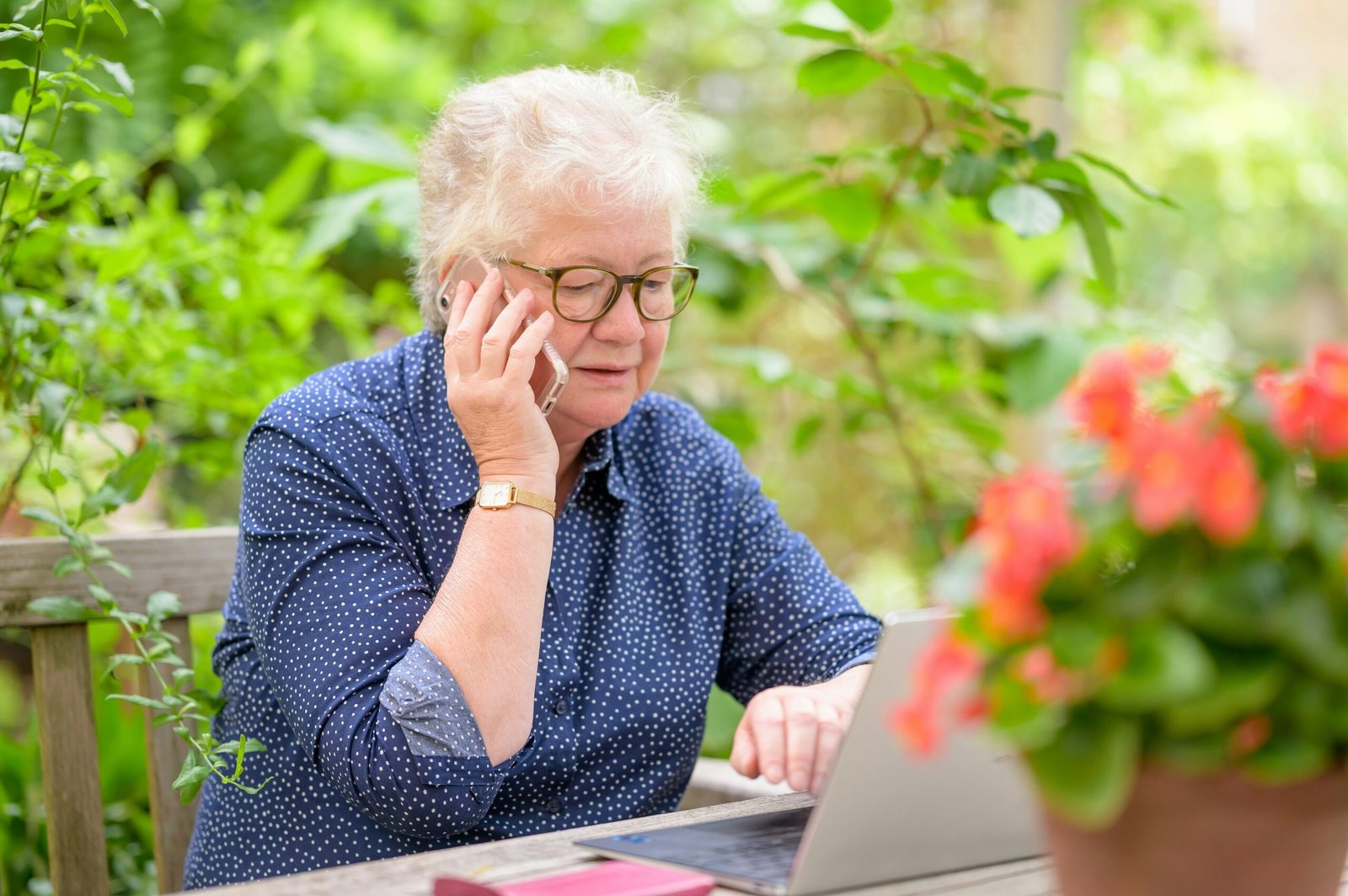
Healthy aging depends on more than medical care and physical activity. Social connection plays a central role in overall wellbeing, especially for older adults who may face changes in mobility, family structure, or daily routine. As individuals age, maintaining meaningful relationships and consistent engagement can support emotional stability, cognitive resilience, and long‑term health. Understanding the importance of social connection helps families and caregivers encourage lifestyles that promote vitality and happiness in later years.
Emotional Wellbeing and Reduced Feelings of Isolation
Social connection is a powerful contributor to emotional health. Older adults who regularly interact with friends, neighbors, or community groups often experience a greater sense of purpose and belonging. These interactions help reduce feelings of loneliness, which can otherwise lead to anxiety or decreased motivation. The simple act of participating in conversations, group activities, or shared meals encourages emotional balance and fosters a sense of community.
For individuals who enjoy Independent Living with supportive services**, social engagement becomes even more accessible through planned activities and communal spaces. These environments naturally encourage interaction and help residents form meaningful friendships. A strong emotional support network provides comfort, reassurance, and an enhanced sense of wellbeing, helping older adults maintain a positive outlook and healthier daily routine.
Cognitive Stimulation and Mental Sharpness
Engaging with others regularly stimulates the brain and supports cognitive health. Activities such as discussion groups, card games, book clubs, or educational sessions challenge the mind in a healthy, enjoyable way. These forms of mental stimulation help older adults stay sharp by encouraging focus, memory use, and problem solving. Social environments also provide opportunities to learn new skills, which has been linked to improved cognitive resilience.
In communities designed for active engagement, older adults may have access to ongoing classes or structured learning opportunities. These activities reduce the risk of cognitive decline by keeping the mind active and adaptable. Even casual conversations provide mental stimulation by prompting recall, communication, and social awareness.
Physical Health Benefits Through Active Engagement
Socially connected older adults often engage in more physical activities than those who remain isolated. Group exercise classes, walking clubs, gardening teams, and recreational outings encourage consistent movement and help maintain physical strength. Remaining active supports cardiovascular health, balance, and mobility, all of which contribute to long‑term independence.
Communities that encourage social activity typically integrate physical programs into their daily calendars. Participating in activities with others can be more enjoyable than exercising alone, helping older adults stay motivated. Physical health improves when movement becomes a natural part of a social routine, creating a positive cycle of engagement and wellbeing.
Stronger Immune Function and Reduced Stress
Research has long shown a connection between social engagement and overall physical health. Positive social interactions help reduce stress levels by lowering cortisol, a hormone linked to inflammation and weakened immune response. When older adults feel emotionally supported, their stress decreases, which can contribute to better immune system performance.
A calmer emotional state also improves sleep quality, appetite, and energy levels. Regular contact with others creates a sense of security and comfort that supports both mental and physical equilibrium. Over time, this consistent sense of stability can help the body better resist illness and maintain stronger long‑term health.
Greater Safety, Support, and Daily Reliability
Socially connected environments naturally increase safety and support for older adults. Friends, neighbors, and community staff can notice changes in behavior, provide reminders, or offer help when unexpected situations arise. This network of awareness contributes to safer daily living by ensuring someone is always nearby to assist.
Living settings that promote regular interaction offer more opportunities for residents to share concerns or ask for help. Whether through organized programs or informal check‑ins, these connections help create a reliable support system that supplements individual independence. Knowing that someone is available provides peace of mind and encourages older adults to participate more fully in community life.
Conclusion
Social connection serves as a vital foundation for emotional stability, cognitive health, physical wellbeing, stress reduction, and increased daily support. For older adults, maintaining strong relationships and engaging in regular social activities can significantly improve both quality of life and long‑term health outcomes. Encouraging an environment filled with meaningful interaction helps ensure that seniors enjoy a balanced, fulfilling, and vibrant lifestyle.
