
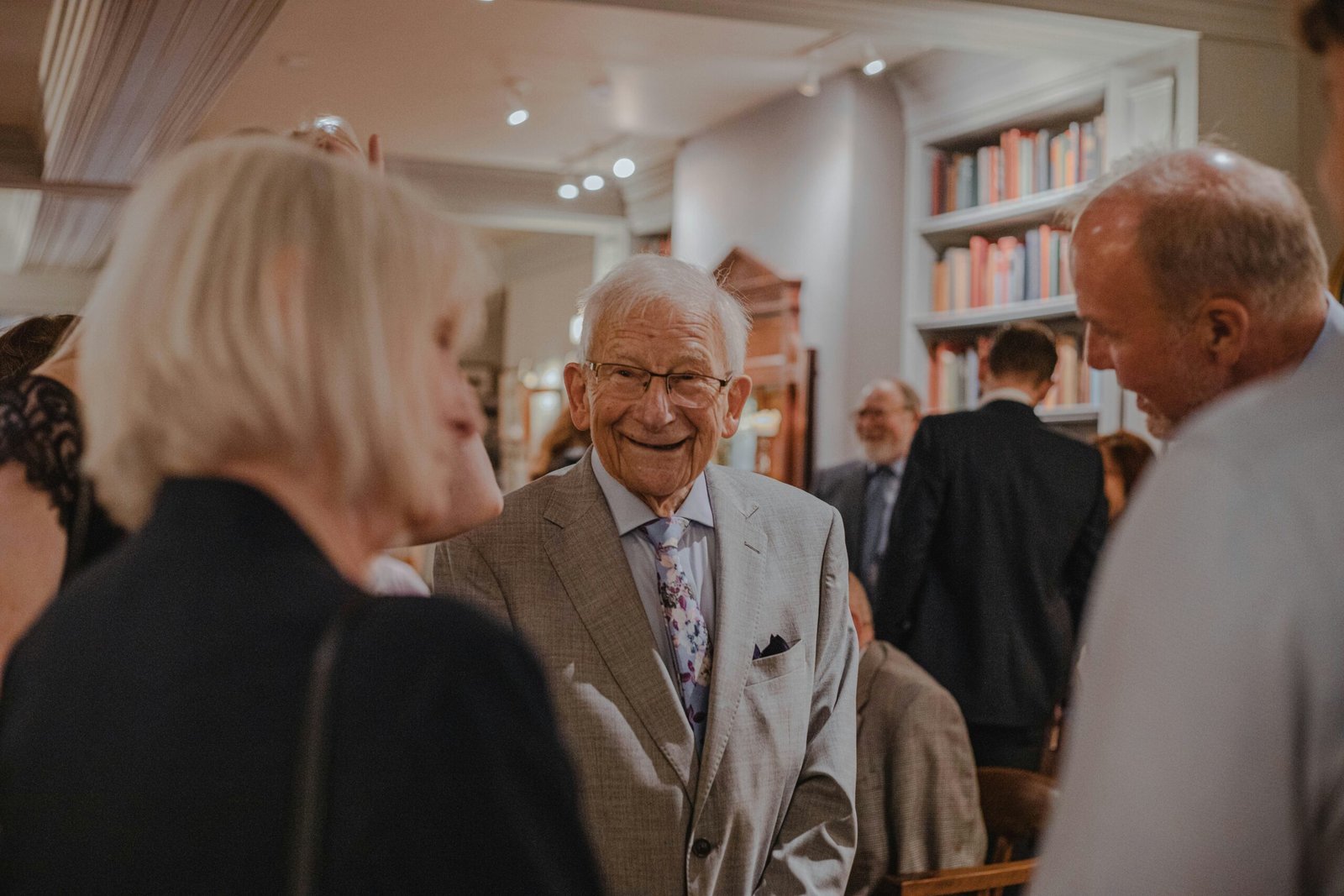
Retirement represents a major transition in life, offering the opportunity to slow down, explore personal interests, and enjoy time with family and friends. However, it also introduces new considerations related to safety, comfort, and long term well being. Creating an environment that supports both enjoyment and security is essential for making the most of this stage of life.
A well designed retirement environment should promote independence while reducing risks associated with aging. At the same time, it should encourage engagement, relaxation, and a sense of fulfillment. By carefully evaluating living arrangements, daily routines, and available support systems, retirees can build a lifestyle that balances safety with enjoyment, ensuring a positive and sustainable retirement experience.
Designing a Living Space That Supports Safety
The physical environment plays a crucial role in ensuring both safety and comfort after retirement. As mobility and balance may change over time, it becomes important to create a living space that minimizes potential hazards while remaining easy to navigate.
Simple adjustments can make a significant difference. Features such as non slip flooring, adequate lighting, and clear pathways reduce the risk of falls. Installing grab bars in bathrooms, ensuring proper stair support, and organizing furniture for easy movement all contribute to a safer home environment. These changes help maintain independence by allowing individuals to move confidently within their space.
Accessibility is another key factor. Homes that are designed or modified to include step free entryways, wider doorways, and easy to reach storage areas create a more functional environment. These features reduce physical strain and allow retirees to continue performing daily tasks without unnecessary difficulty.
When safety is thoughtfully built into the living space, it creates a foundation for both peace of mind and long term comfort.
Creating Opportunities for Daily Enjoyment
An enjoyable retirement environment goes beyond safety by incorporating elements that bring fulfillment and happiness into daily life. This includes designing routines and spaces that support hobbies, relaxation, and personal interests.
Retirees often have more time to pursue activities they enjoy, such as reading, gardening, cooking, or creative arts. Creating dedicated areas for these activities encourages consistent engagement and adds structure to each day. Whether it is a quiet reading corner or an outdoor garden space, these personal touches contribute to a sense of purpose and satisfaction.
In addition to individual activities, incorporating opportunities for social interaction enhances enjoyment. Inviting friends and family, participating in community events, or joining clubs and classes helps maintain strong connections and promotes emotional well being.
An environment that supports enjoyable activities fosters a positive outlook and helps retirees remain active and engaged in their daily lives.
Building Access to Support and Services
While independence is an important goal in retirement, having access to support services is equally essential. Building a safe and enjoyable environment includes ensuring that assistance is available when needed without disrupting daily routines.
Many retirees choose living arrangements that offer a blend of independence and support. Options such as Independent Living with supportive services** in Lakeland provide a structured environment where individuals can maintain autonomy while benefiting from services such as housekeeping, transportation, and wellness programs.
These services reduce the burden of daily responsibilities and allow retirees to focus on enjoying their time. At the same time, access to professional support ensures that help is readily available for tasks that may become more challenging over time.
Having reliable support also provides reassurance for family members. Knowing that assistance is accessible if needed creates confidence in the overall environment and allows retirees to live with greater peace of mind.
Encouraging Health and Wellness Practices
Health is a central component of both safety and enjoyment in retirement. Maintaining physical and mental well being supports independence, energy levels, and the ability to participate in meaningful activities.
Incorporating regular physical activity into daily routines is one of the most effective ways to promote long term health. Activities such as walking, stretching, or participating in fitness classes can improve balance, strength, and flexibility. These benefits not only enhance quality of life but also reduce the risk of injury.
Mental stimulation is equally important. Engaging in activities that challenge the mind, such as puzzles, reading, or learning new skills, helps maintain cognitive health and keeps retirees mentally active. Social interaction also contributes to mental wellness by providing emotional support and reducing feelings of isolation.
Nutrition plays a vital role as well. Access to balanced meals and hydration supports overall health and ensures that the body receives the nutrients it needs to function effectively. Establishing healthy habits in these areas creates a strong foundation for long term comfort and enjoyment.
Fostering a Sense of Community and Belonging
A fulfilling retirement environment includes a strong sense of community. Social connections are essential for emotional health, providing opportunities for companionship, shared experiences, and mutual support.
Living in a community setting or actively participating in local activities allows retirees to build relationships with others who share similar interests. These connections create a sense of belonging and contribute to overall happiness.
Communal spaces, group events, and organized activities help facilitate interaction and engagement. Whether it is attending a group class, joining a discussion group, or simply sharing a meal with others, these moments create meaningful experiences that enrich daily life.
Family involvement also plays an important role. Maintaining strong relationships with loved ones provides emotional support and continuity. Regular visits, communication, and shared activities strengthen these connections and enhance the sense of security.
A supportive community environment ensures that retirees do not feel isolated and can continue to enjoy meaningful interactions throughout their retirement years.
Conclusion
Building a safe and enjoyable environment after retirement involves a thoughtful balance of practical planning and lifestyle choices. By designing a secure living space, creating opportunities for daily enjoyment, ensuring access to supportive services, prioritizing health and wellness, and fostering a sense of community, retirees can establish a foundation for a fulfilling and comfortable life.
This approach allows individuals to embrace retirement with confidence, knowing that their environment supports both independence and well being. With careful preparation and a focus on both safety and enjoyment, retirement can become a rewarding chapter filled with purpose, connection, and peace of mind.
