Introduction
Home remodeling is one of the most effective ways to enhance the comfort, functionality, and value of a living space. As lifestyles evolve and family needs change, homes must adapt to support modern living requirements says Eagle Property Management experts. Remodeling allows homeowners to improve outdated layouts, repair aging structures, and incorporate new design elements that align with current preferences and technological advancements. Rather than moving to a new property, many homeowners choose remodeling as a practical solution to transform their existing space into one that better suits their needs and aspirations.
Unlike simple cosmetic updates, home remodeling is a comprehensive process that involves planning, design, construction, and long-term considerations. A successful remodeling project balances aesthetics with practicality, ensuring that every improvement enhances daily living while contributing to long-term durability. Whether it involves upgrading a single room or undertaking a full-house renovation, thoughtful remodeling can significantly improve quality of life while protecting and increasing property value.
Understanding the Scope of Home Remodeling
Home remodeling encompasses a wide range of projects, from minor upgrades to complete structural transformations. The scope of a remodeling project depends on factors such as budget, existing home condition, and desired outcomes. Some homeowners focus on specific areas like kitchens, bathrooms, or living spaces, while others pursue whole-home remodeling to achieve a cohesive design and improved functionality throughout the property.
A clear understanding of the project scope is essential before construction begins. This involves evaluating structural conditions, electrical systems, plumbing, and insulation to identify areas that require repair or replacement. Proper scoping helps prevent unexpected costs, delays, and design changes during the remodeling process. It also allows homeowners to prioritize improvements that deliver the greatest functional and financial benefits.
Planning and Design Considerations
Planning is the foundation of any successful home remodeling project. Effective planning ensures that design choices align with practical needs, budget limitations, and long-term goals. During the planning phase, homeowners consider how spaces are currently used and how they would like them to function in the future. This includes evaluating traffic flow, storage needs, natural lighting, and overall layout efficiency.
Design considerations also play a critical role in remodeling outcomes. A well-designed home balances visual appeal with comfort and usability. Color schemes, materials, textures, and architectural details should complement each other while reflecting personal style. Thoughtful design improves not only the appearance of a home but also how enjoyable and efficient it is to live in every day.
Kitchen Remodeling as a Central Upgrade
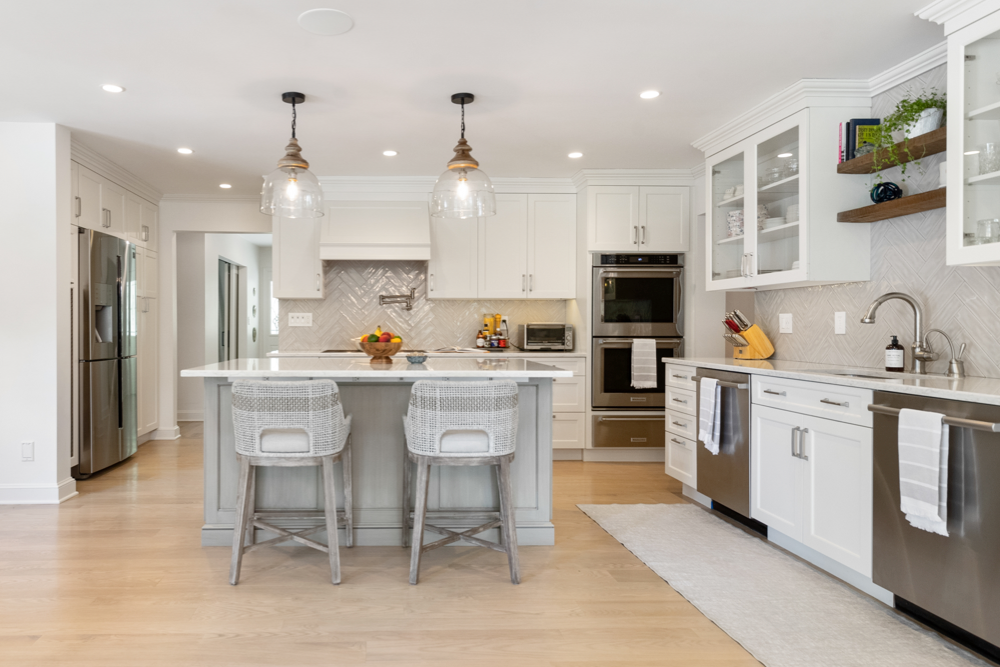
The kitchen is often considered the heart of the home, making it one of the most popular areas for remodeling. Kitchen remodeling focuses on improving layout efficiency, storage capacity, and appliance functionality. Modern kitchens emphasize open layouts, ample counter space, and durable materials that support daily use.
Upgrading cabinetry, countertops, and appliances can significantly enhance both functionality and aesthetics. Proper lighting design, including task and ambient lighting, improves usability while creating a welcoming atmosphere. A well-remodeled kitchen not only supports cooking and dining but also serves as a central gathering space that enhances family interaction and entertainment.
Bathroom Remodeling for Comfort and Efficiency
Bathroom remodeling improves comfort, hygiene, and relaxation while addressing functional concerns such as water efficiency and storage. Modern bathroom designs prioritize clean lines, efficient layouts, and durable materials that withstand moisture and frequent use. Remodeling often includes upgrading fixtures, flooring, wall finishes, and ventilation systems.
Well-designed bathrooms enhance daily routines by offering improved lighting, optimized storage, and efficient water usage. Incorporating features such as walk-in showers, upgraded vanities, and modern fixtures adds both comfort and value. A thoughtfully remodeled bathroom provides a personal retreat while supporting long-term durability and easy maintenance.
Living Spaces and Interior Remodeling
Remodeling living spaces allows homeowners to create environments that support relaxation, social interaction, and everyday activities. Interior remodeling may involve reconfiguring layouts, removing unnecessary walls, or enhancing natural light through window upgrades. Open-concept designs are increasingly popular, as they improve flow and create a sense of spaciousness.
Updating flooring, wall finishes, and ceiling details can dramatically change the feel of a room. Durable flooring materials and neutral design elements ensure long-lasting appeal while allowing flexibility for future décor changes. Interior remodeling enhances comfort while creating a cohesive and inviting home environment.
Structural and Layout Improvements
Structural remodeling focuses on improving the foundation, framing, and overall integrity of a home. This may include reinforcing load-bearing walls, correcting uneven floors, or addressing aging structural components. Structural upgrades are essential for safety and longevity, particularly in older homes.
Layout improvements often go hand in hand with structural work. Repositioning walls, expanding rooms, or adding new living areas allows homeowners to adapt their space to modern lifestyles. These changes require careful planning and professional expertise to ensure safety and compliance with building standards.
Electrical and Plumbing Upgrades
Electrical and plumbing systems are critical components of home remodeling projects. Upgrading outdated wiring and plumbing improves safety, efficiency, and reliability. Modern homes require sufficient electrical capacity to support appliances, lighting, and technology, making electrical upgrades an important consideration during remodeling.
Plumbing upgrades address water pressure, drainage efficiency, and fixture compatibility. Replacing aging pipes reduces the risk of leaks and water damage while improving overall system performance. Proper installation ensures that remodeled spaces function efficiently and meet long-term usage demands.
Flooring and Surface Finishes
Flooring and surface finishes play a major role in both aesthetics and durability. Home remodeling projects often include replacing worn or outdated flooring with materials that offer improved performance and visual appeal. Options such as hardwood, tile, engineered flooring, and luxury vinyl provide durability while complementing various design styles.
Wall finishes, backsplashes, and trim details add character and cohesion to remodeled spaces. Selecting high-quality finishes reduces maintenance requirements and preserves appearance over time. Coordinated surface finishes contribute to a polished and professionally remodeled look throughout the home.
Storage Solutions and Organization
Effective storage is a key objective in home remodeling. Custom storage solutions improve organization while reducing clutter and maximizing available space. Built-in cabinets, shelving, and multifunctional furniture enhance usability without sacrificing aesthetics.
Thoughtful storage design ensures that every area of the home serves a purpose. By integrating storage into walls, staircases, and unused corners, homeowners can improve functionality and maintain a clean, organized environment. Well-planned storage solutions support long-term comfort and efficiency.
Energy Efficiency and Sustainability
Modern home remodeling increasingly emphasizes energy efficiency and sustainable practices. Upgrading insulation, windows, and doors improves temperature control and reduces energy consumption. Energy-efficient appliances and lighting systems lower utility costs while supporting environmental responsibility.
Sustainable remodeling practices focus on durable materials, efficient systems, and thoughtful design choices that minimize waste. These improvements not only benefit the environment but also enhance indoor comfort and long-term savings. Incorporating energy efficiency into remodeling projects adds lasting value to the home.
Safety and Accessibility Improvements
Safety is a vital consideration in home remodeling, particularly for long-term usability. Improvements such as non-slip flooring, better lighting, and secure handrails enhance safety without compromising design. Accessibility features support users of all ages and abilities, ensuring the home remains functional as needs change.
Incorporating safety elements during remodeling prevents future modifications and increases overall comfort. Thoughtful planning allows safety features to blend seamlessly with design, creating a secure yet visually appealing environment.
Budgeting and Cost Management
Budget planning is a critical aspect of home remodeling. Understanding costs associated with materials, labor, permits, and unexpected repairs helps prevent financial strain. Professional estimates and clear project scopes ensure transparency and control throughout the remodeling process.
While high-quality materials and skilled labor may involve higher upfront costs, they often provide better long-term value through durability and reduced maintenance. Strategic budgeting allows homeowners to prioritize essential upgrades while achieving desired design outcomes.
Project Management and Timeline
Effective project management ensures that home remodeling projects are completed on time and within budget. Coordinating design, material delivery, labor schedules, and inspections requires careful planning and communication. Clear timelines reduce disruptions and help homeowners plan around construction activities.
Professional oversight ensures quality control and timely problem resolution. Proper management minimizes delays, prevents costly mistakes, and ensures that remodeling goals are achieved efficiently.
Long-Term Value of Home Remodeling
Home remodeling is widely regarded as a valuable investment that enhances both lifestyle and property value. Well-executed remodeling projects improve daily comfort, increase energy efficiency, and create spaces that align with modern living standards. These improvements make homes more attractive and functional for long-term use.
By addressing both aesthetic and structural aspects, home remodeling delivers lasting benefits. Quality craftsmanship and thoughtful design ensure that improvements remain relevant and durable for years to come, providing a strong return on investment.
Conclusion
Home remodeling is a comprehensive process that transforms living spaces to meet evolving needs while enhancing comfort, efficiency, and value. From planning and design to construction and finishing, each stage plays a crucial role in achieving successful outcomes. Thoughtful remodeling improves not only the appearance of a home but also how it functions on a daily basis.
When approached strategically, home remodeling becomes an investment in quality of life. By focusing on durable materials, efficient systems, and practical design, homeowners can create environments that support comfort, safety, and long-term satisfaction. A well-remodeled home reflects thoughtful planning, professional execution, and a commitment to lasting value.