Trees are a beautiful and valuable addition to any landscape, providing shade, oxygen, and aesthetic appeal, but once a tree is removed, the remaining stump can create challenges for homeowners and landscapers alike. Stumps not only take up space but can also become hazards, attract pests, and impede the growth of new plants. For these reasons, stump grinding has become an essential practice in modern tree care and landscape management. This comprehensive guide explores everything related to stump grinding, including its importance, the methods and equipment used, the process itself, benefits, safety considerations, and maintenance tips, offering readers a thorough understanding of how to manage tree stumps efficiently and effectively.
Understanding the Importance of Stump Grinding in Landscape Management
Once a tree is removed, the remaining stump can present multiple problems that interfere with both the visual appeal and functionality of a yard or garden. Stumps left untreated can begin to decay over time, attracting insects such as termites, ants, or beetles, which may spread to nearby plants or structures. In addition, they can serve as a tripping hazard, particularly in areas where children or elderly individuals frequent, making their removal essential for safety. Stump grinding solves these problems by completely eliminating the stump below ground level, allowing for the safe, aesthetic, and functional use of the space.
Beyond safety, stump grinding facilitates proper landscape maintenance. Removing stumps allows for replanting or installation of features such as walkways, patios, or lawns without obstruction. It also prevents the unsightly appearance of rotting wood that can detract from the overall beauty of a garden. By investing in professional or properly executed stump grinding, homeowners ensure that their outdoor spaces remain safe, functional, and visually appealing while promoting long-term yard health.
Methods and Equipment Used in Stump Grinding
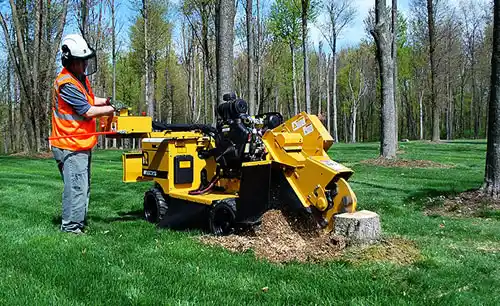
Stump grinding is typically performed using specialized machines called stump grinders, which are equipped with rotating cutting wheels designed to chip away the wood of the stump. These machines vary in size and functionality, ranging from small walk-behind grinders for residential use to large industrial grinders suitable for commercial projects.
Walk-behind grinders are ideal for stumps that are small to medium in size, offering maneuverability and precision in tight spaces. These machines allow operators to grind stumps to the desired depth without causing damage to surrounding structures or landscaping features. For larger stumps or extensive tree removal projects, self-propelled or ride-on stump grinders are preferred due to their power and efficiency. These machines can grind large stumps quickly and evenly, reducing labor time and ensuring a thorough removal.
In addition to mechanical grinders, some stump removal techniques involve chemical treatments that accelerate decomposition. However, chemical methods are slower, often taking months or years to fully break down the stump, and can introduce potential environmental hazards if not applied carefully. As a result, mechanical stump grinding remains the preferred method for most homeowners and professionals seeking immediate and reliable results.
The Stump Grinding Process Explained
The process of stump grinding begins with a careful assessment of the stump and surrounding area to ensure safety and efficiency. Before grinding, all debris such as rocks, soil, or branches must be cleared to prevent damage to the grinder and allow smooth operation. Operators then position the stump grinder, adjusting the cutting wheel to the appropriate height and angle to grind the stump gradually.
Grinding typically starts at the outer edge of the stump and progresses toward the center. The machine chips away the wood in layers, reducing the stump to small wood chips and allowing the operator to grind below ground level. Depth is usually determined by future landscaping plans; stumps are often ground six to twelve inches below the surface, enabling safe replanting or lawn installation.
Once the stump is fully ground, the remaining wood chips can either be removed or left in place to decompose naturally, providing organic matter that enriches the soil. After the stump grinding process is complete, the area can be filled with soil and leveled, preparing it for new planting or other landscaping projects. Proper execution of stump grinding ensures that no part of the stump remains to cause future issues with regrowth, pest infestations, or obstacles in the yard.
Benefits of Stump Grinding for Homeowners and Landscapers
The advantages of stump grinding extend well beyond simply removing a tree’s remains. One of the most immediate benefits is safety, as stumps are eliminated as tripping hazards, reducing the risk of injuries. Additionally, grinding stumps below ground level prevents unwanted regrowth from the stump, which can occur if the roots remain intact, particularly with species such as maple, oak, or willow.
From an aesthetic perspective, stump grinding restores a clean and uniform appearance to the landscape, allowing homeowners to design and implement landscaping features without interference. It also reduces maintenance, as stumps left in place require mowing and trimming around the uneven surface, creating an ongoing challenge for yard upkeep.
Environmental benefits are also significant. By removing stumps properly, the risk of attracting pests such as termites, ants, and wood-boring beetles is minimized. This protects not only the immediate landscape but also nearby trees, plants, and even buildings from potential infestations. Additionally, the wood chips produced by stump grinding can be reused as mulch, providing a sustainable and practical solution for enriching garden soil and conserving moisture.
Safety Considerations During Stump Grinding
Despite its effectiveness, stump grinding involves certain risks, making safety a crucial concern. The equipment used is powerful, and operators must wear protective gear, including eye protection, gloves, and sturdy footwear, to prevent injuries from flying debris. Before starting, the area around the stump should be cleared of pets, children, and bystanders, and any obstacles such as rocks, pipes, or wires must be identified and removed to prevent accidents or damage to the grinder.
Proper training is essential for operating stump grinders, as improper use can result in injuries or ineffective stump removal. For homeowners without experience, hiring professional services ensures that stump grinding is performed safely, efficiently, and with minimal risk to property and individuals. Professionals can also provide advice on post-grinding landscaping and soil treatment to optimize the long-term health and appearance of the yard.
Post-Stump Grinding Maintenance and Landscaping Opportunities
After a stump has been ground, the resulting wood chips and soil adjustments provide an opportunity to enhance the landscape. Wood chips can be repurposed as mulch, enriching soil quality and retaining moisture for surrounding plants. The ground area can also be leveled and prepared for new planting, whether for grass, shrubs, or additional trees, allowing homeowners to make the most of their outdoor space.
Regular monitoring of the ground where stump grinding occurred is also recommended, as any remaining roots may occasionally produce minor sprouting. These can be addressed through additional grinding, trimming, or careful application of environmentally friendly herbicides. By combining stump grinding with proper post-removal maintenance, homeowners ensure that the yard remains safe, visually appealing, and ready for future landscaping projects without interference from old tree stumps.
Conclusion:
Stump grinding is a vital aspect of tree removal and landscape management that offers numerous benefits for homeowners and professionals alike. From eliminating safety hazards and preventing pest infestations to improving the aesthetic appeal of a yard and facilitating future landscaping, stump grinding ensures that tree stumps no longer pose obstacles or risks. By using proper equipment, following a careful grinding process, and adhering to safety guidelines, homeowners can achieve effective stump removal and prepare their yard for new plantings or design projects.
For those looking to maintain a clean, safe, and functional outdoor space, investing in professional or properly executed stump grinding is an invaluable step that promotes the long-term health and beauty of the landscape. By understanding the process, benefits, and post-grinding maintenance strategies, homeowners can make informed decisions that maximize the value, safety, and enjoyment of their property. Through careful attention to these practices, tree stumps can be transformed from unsightly obstacles into opportunities for improved yard design and sustainable landscaping solutions.