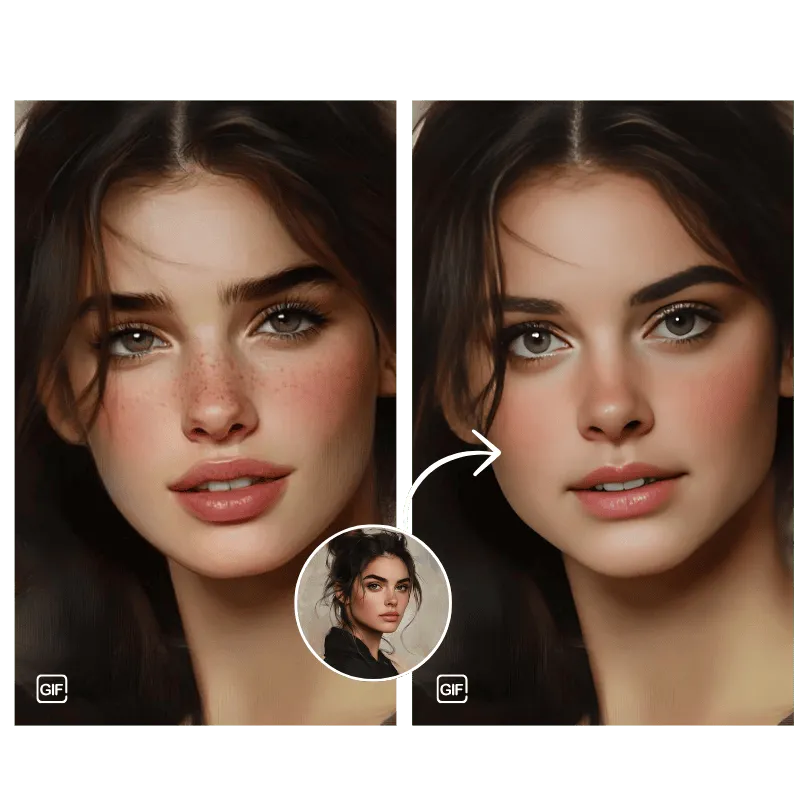
Artificial intelligence is transforming the way we edit photos and videos. What once required advanced software skills and hours of manual work can now be done in minutes with the help of an AI photo editor. Among the most exciting innovations in this space is video faceswap, a technology that allows users to replace faces in videos seamlessly and realistically. Today, face swap video tools are not only popular for entertainment but are also being used in marketing, content creation, and digital storytelling.
What Is an AI Photo Editor?
An AI photo editor uses machine learning algorithms to automatically enhance, modify, or transform images. Unlike traditional photo editing tools, AI-powered editors analyze facial features, lighting, expressions, and background details to produce high-quality results with minimal effort.
These editors can perform tasks such as:
- Automatic background removal
- Facial enhancement and retouching
- Style transfer and filters
- Face replacement and morphing
AI photo editors are designed for both beginners and professionals, making advanced editing accessible to everyone.
Understanding Video FaceSwap Technology
Video faceswap is an advanced form of face swapping that works on moving images instead of static photos. Using deep learning models, the software detects facial landmarks in each frame of a video and replaces them with another face while maintaining natural expressions, head movements, and lighting.
Modern video faceswap tools focus on:
- Realistic skin tones and shadows
- Accurate facial expressions
- Smooth frame-to-frame transitions
- High-resolution output
As a result, face swap video results now look far more natural than earlier versions, which often appeared artificial or glitchy.
How Face Swap Video Works
A face swap video process typically involves three main steps:
- Face Detection
The AI scans the video and identifies facial features such as eyes, nose, mouth, and jawline across all frames. - Face Mapping
The selected replacement face is mapped onto the detected face structure. The AI learns how the face moves, smiles, and reacts. - Blending and Rendering
Advanced blending techniques ensure the new face matches the original lighting, angle, and motion, producing a realistic final video.
Thanks to AI photo editor integration, many platforms now allow users to perform these steps automatically without technical expertise.
Popular Uses of AI Photo Editor and Face Swap Video
The demand for AI-powered editing tools is growing rapidly. Here are some of the most common use cases:
1. Social Media Content
Creators use face swap video tools to make entertaining reels, short clips, and memes. These videos often go viral because of their humor and creativity.
2. Marketing and Advertising
Brands experiment with video faceswap to localize campaigns, personalize ads, and create engaging promotional content. AI photo editor tools help maintain brand consistency while customizing visuals.
3. Entertainment and Film
Face swap video technology is used for visual effects, dubbing corrections, and even de-aging actors, saving time and production costs.
4. Education and Training
AI-generated videos with face swapping can be used to create interactive lessons and simulations, making learning more engaging.
Benefits of Using AI Photo Editor for Video FaceSwap
Using an AI photo editor alongside video faceswap technology offers several advantages:
- Time Efficiency: Automated processing reduces editing time dramatically.
- Cost-Effective: No need for expensive software or professional editors.
- User-Friendly: Simple interfaces make face swap video creation easy for beginners.
- High Accuracy: AI ensures better facial alignment and realism.
- Scalability: Ideal for creators and businesses producing content at scale.
Ethical Considerations and Responsible Use
While face swap video technology is powerful, responsible usage is essential. Misuse can lead to misinformation, privacy violations, or identity misuse. Ethical AI photo editor platforms emphasize user consent, watermarking, and content guidelines to prevent abuse.
Best practices include:
- Always obtaining permission before using someone’s face
- Avoiding deceptive or harmful content
- Using face swap video tools for creative and educational purposes
Responsible innovation ensures that video faceswap remains a positive and trusted technology.
The Future of Video FaceSwap and AI Editing
The future of video faceswap looks promising. As AI models continue to improve, we can expect:
- Even more realistic facial expressions
- Real-time face swap video editing
- Better integration with mobile apps
- Enhanced security and authenticity checks
AI photo editor tools will continue to evolve, offering creators more control, customization, and realism than ever before.
Conclusion
The combination of AI photo editor, video faceswap, and face swap video technology is reshaping digital content creation. From social media entertainment to professional marketing and filmmaking, these tools are unlocking new creative possibilities. As long as they are used responsibly, AI-powered face swapping will remain a valuable and exciting part of the digital future.