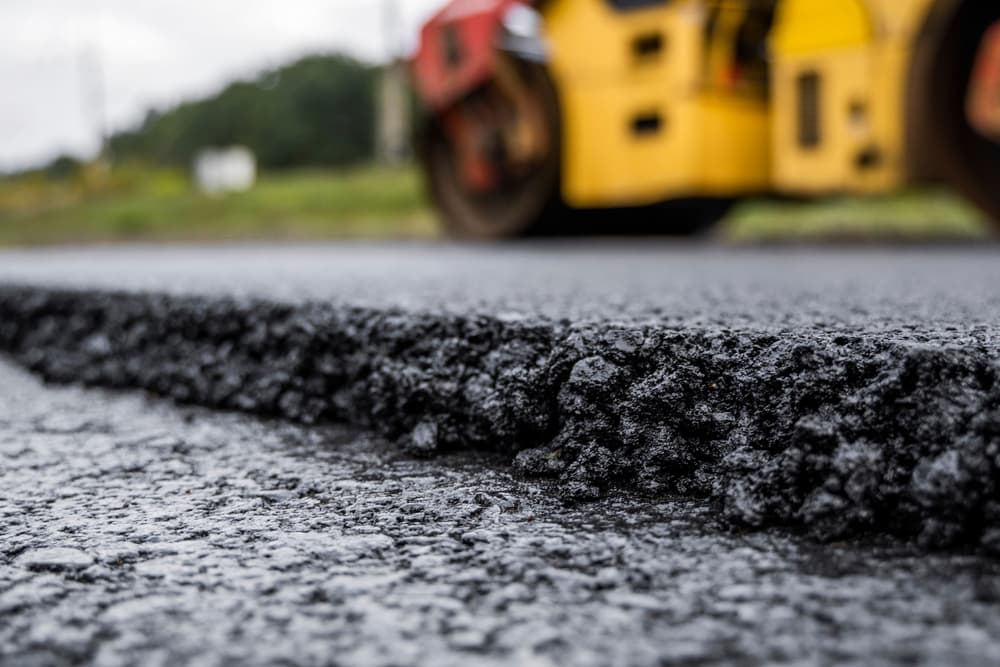
Asphalt paving is one of the most widely used solutions for constructing roads, driveways, parking lots, and other paved surfaces. Its combination of durability, cost-effectiveness, and versatility makes it a preferred choice for municipalities, commercial properties, and homeowners alike. The process of asphalt paving goes beyond simply laying down a black surface; it involves careful planning, material selection, preparation, and professional installation to ensure long-lasting performance. Understanding the principles of asphalt paving, its benefits, applications, and maintenance requirements can help property owners make informed decisions and maximize the lifespan of their paved surfaces.
The quality of an asphalt installation depends heavily on the expertise of the contractors involved, the materials used, and the preparation of the underlying base. Poorly executed paving can lead to premature cracking, potholes, and drainage issues, while a well-planned asphalt surface can last decades with minimal maintenance. Whether applied to a residential driveway, a commercial parking lot, or a city street, asphalt paving delivers both functional and aesthetic value when executed properly.
The Importance of Proper Asphalt Paving
Proper asphalt paving is critical for both performance and safety. Roads and parking areas experience constant wear from traffic, weather, and environmental factors. Without a strong and well-compacted surface, asphalt can deteriorate quickly, leading to hazardous conditions and expensive repairs. Cracking, potholes, and uneven surfaces can pose risks to drivers and pedestrians alike.
In addition to safety, proper asphalt paving enhances the appearance of a property. A smooth, dark surface creates a professional and well-maintained impression, which is especially important for commercial properties and residential neighborhoods. Beyond aesthetics, asphalt’s smooth surface reduces vehicle wear and improves fuel efficiency compared to rough or damaged surfaces.
The durability of asphalt is largely due to its composition and installation process. Asphalt is a mixture of aggregates, sand, and asphalt binder. When heated and compacted, this combination forms a solid, flexible surface capable of withstanding heavy loads while resisting deformation. Professional asphalt paving ensures that the mix is correct, the base is stable, and compaction is thorough, resulting in long-lasting performance.
Key Steps in the Asphalt Paving Process
The asphalt paving process involves several essential steps that contribute to the strength and longevity of the final surface. The first step is site preparation, which includes clearing the area, grading, and establishing a stable base. Proper drainage is crucial during this stage to prevent water from undermining the asphalt over time.
Next, the sub-base and base layers are installed. These layers provide structural support and distribute weight evenly across the surface. Depending on the project, the base may consist of crushed stone, gravel, or other aggregates, compacted to create a firm foundation.
Once the base is prepared, the asphalt mix is applied. The hot mix asphalt is delivered to the site at a specific temperature to ensure workability and proper compaction. Asphalt paving contractors use specialized equipment, including pavers and rollers, to spread and compact the material evenly. This ensures a smooth, level surface with consistent thickness.
Finally, finishing touches such as striping, sealing, and edge treatments are applied. Sealing protects the asphalt from moisture and UV damage, extending its life and maintaining its appearance. Proper finishing also improves safety by clearly delineating traffic lanes, parking spaces, and pedestrian areas.
Benefits of Asphalt Paving
Asphalt paving offers a wide range of benefits for both residential and commercial applications. One of the primary advantages is cost-effectiveness. Compared to concrete or other paving materials, asphalt is generally less expensive to install while still providing a durable, long-lasting surface.
Flexibility is another significant benefit. Asphalt can adapt to minor movements in the ground without cracking, making it ideal for areas with variable soil conditions or freeze-thaw cycles. This flexibility also contributes to easier and less costly repairs compared to rigid surfaces like concrete.
Durability and strength are essential features of asphalt paving. Properly installed asphalt can withstand heavy traffic, resist rutting, and endure harsh weather conditions. Regular maintenance, including sealcoating and crack filling, further extends the surface’s lifespan, making asphalt a reliable investment.
Aesthetically, asphalt provides a clean, uniform appearance. Its dark color contrasts well with landscaping, curbs, and painted markings, enhancing the visual appeal of driveways, parking lots, and streets. Asphalt surfaces can also be textured or stamped for decorative purposes, offering design versatility for residential or commercial projects.
Applications of Asphalt Paving
Asphalt paving is suitable for a wide variety of applications, ranging from large-scale infrastructure projects to small residential improvements. Roads and highways are perhaps the most visible applications, where asphalt provides smooth, safe, and durable travel surfaces. Its flexibility allows it to accommodate temperature fluctuations and heavy traffic without significant damage.
Commercial parking lots are another common application. Asphalt provides a cost-effective and easily maintained solution for large parking areas, accommodating vehicles of all sizes. Its smooth surface facilitates efficient traffic flow and reduces the risk of vehicle damage.
Residential driveways and walkways also benefit from asphalt paving. Homeowners appreciate the relatively low installation cost, quick curing time, and aesthetic appeal of a smooth black surface. Asphalt can be customized with decorative borders or stamped patterns, creating attractive entrances and pathways.
In addition to these applications, asphalt is used for airport runways, sports courts, and industrial facilities. Its versatility and adaptability make it suitable for virtually any paved surface requirement.
Maintenance and Longevity of Asphalt
Proper maintenance is essential to maximize the life of asphalt paving. Regular inspections help identify minor issues before they become major problems. Cracks and potholes should be addressed promptly to prevent water infiltration, which can weaken the base and cause further deterioration.
Sealcoating is a key maintenance practice that protects asphalt from UV rays, moisture, and chemical exposure. Applying a sealcoat every few years extends the surface’s lifespan and maintains its dark, uniform appearance. Additionally, proper drainage management ensures that water does not pool on the surface or undermine the underlying layers.
With routine maintenance, asphalt paving can last 20 years or more. The longevity depends on the quality of the installation, the type of traffic it bears, and environmental conditions. High-traffic roads may require periodic resurfacing, while residential driveways generally remain serviceable for decades with minimal intervention.
Environmental Considerations
Asphalt paving is increasingly recognized for its environmental benefits. Modern asphalt is highly recyclable, and old asphalt can be reused in new paving projects, reducing the need for raw materials and minimizing waste. This recycling capability contributes to sustainable construction practices and lowers the environmental footprint of paving projects.
Permeable asphalt options are also available, allowing water to filter through the surface and reduce runoff. This helps manage stormwater, mitigate flooding, and support environmental regulations in urban areas.
Energy efficiency is another consideration. Asphalt’s dark surface absorbs heat, which can contribute to urban heat islands, but innovations such as reflective coatings and modified asphalt mixes are helping mitigate these effects.
Choosing Professional Asphalt Paving Contractors
Selecting professional asphalt paving contractors is critical for ensuring a high-quality installation. Experienced contractors provide expertise in site preparation, material selection, and construction techniques, resulting in durable and visually appealing surfaces. Homeowners and property managers should evaluate contractors based on reputation, portfolio, and adherence to industry standards.
Clear communication and transparent pricing are essential. Reputable asphalt paving contractors provide detailed estimates, explain the construction process, and address any concerns before work begins. Proper licensing, insurance, and compliance with local regulations are also key indicators of professionalism.
Conclusion
Asphalt paving is a versatile, durable, and cost-effective solution for creating roads, driveways, parking lots, and other paved surfaces. Its combination of strength, flexibility, and aesthetic appeal makes it an ideal choice for a wide range of applications. Proper installation, professional expertise, and regular maintenance are essential to maximize the lifespan and performance of asphalt surfaces.
By investing in quality asphalt paving and following best practices for upkeep, property owners can enjoy safe, attractive, and long-lasting surfaces that meet both functional and aesthetic needs. Asphalt paving is more than a construction method; it is an investment in infrastructure, safety, and value that serves communities, businesses, and homeowners for decades.