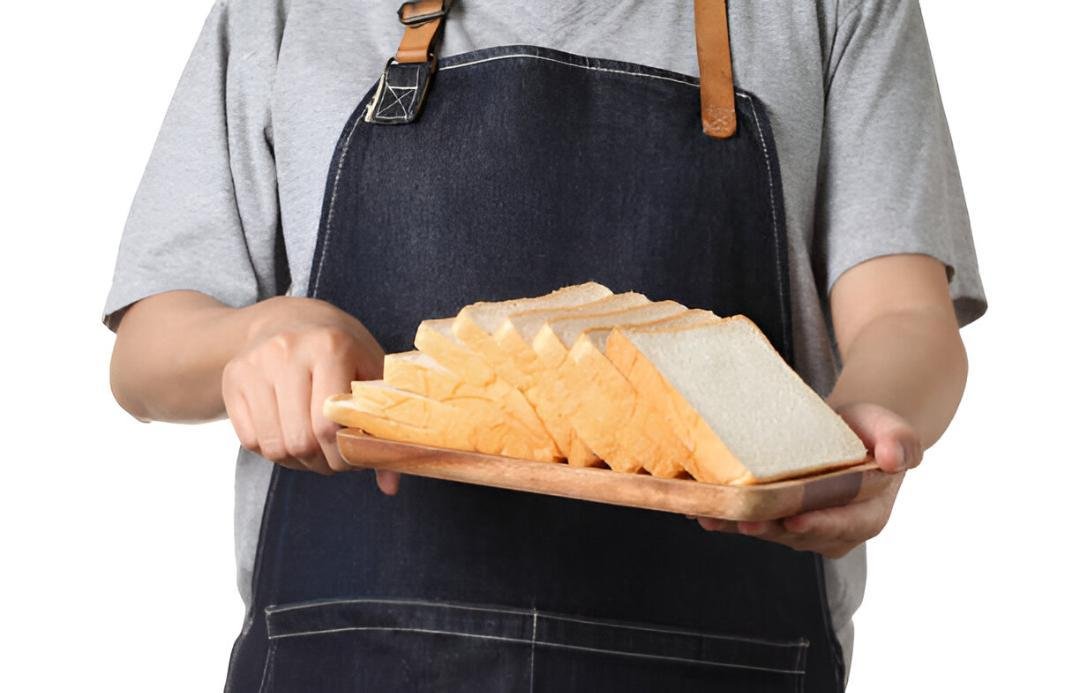
A well-designed Bread Slicer is not only about speed and neat slices. It also plays a major role in two areas that every bakery must take seriously: hygiene and workplace safety. In many bakeries, slicing is done quickly during busy hours. When pressure is high, small mistakes happen—loaves get crushed, crumbs spread everywhere, and knives become a safety risk. Over time, these issues can hurt your operation, increase cleaning workload, and even damage customer trust.
Customers today care more than ever about cleanliness. Even if they never see your production area, they can notice signs of poor hygiene in the final product—extra crumbs inside the bag, messy packaging, or slices that look handled too much. For wholesale buyers like cafés, restaurants, and stores, hygiene and consistent handling are also important. They want bread that looks clean, is packed neatly, and feels professionally prepared.
This guest post focuses on a different angle than the previous two articles. Here, we will discuss how better slicing equipment supports hygienic production, reduces contamination risks, improves staff safety, and helps you maintain a more professional bakery environment.
Why Hygiene and Safety Are Business Issues (Not Just “Rules”)
Some bakery owners think hygiene and safety are only about meeting basic requirements. In reality, they affect your business every day.
Hygiene affects:
- Product appearance
- Shelf confidence
- Customer trust
- Storage quality
- Brand reputation
Safety affects:
- Staff performance and speed
- Injury risk and downtime
- Training needs
- Long-term team stability
When slicing is handled poorly, both hygiene and safety suffer. And when hygiene and safety suffer, quality suffers too—even if your bread recipe is excellent.
The Real Hygiene Problems That Start at the Slicing Stage
Slicing is one of the messiest steps in bread production. It creates crumbs, and it involves direct contact with finished bread. If this step is not controlled, small hygiene problems can easily grow.
Common slicing-related hygiene issues include:
Too many crumbs in packing areas
Crumbs fall on tables, into bags, on gloves, and sometimes onto other products.
Dirty tools and surfaces
Knives, boards, and countertops can collect crumbs and moisture, becoming harder to clean properly during busy hours.
Frequent handling of loaves
Manual slicing often means loaves are touched more times, increasing the risk of contamination through hands or surfaces.
Cross-contact risks
If the same area is used for different bread varieties (such as seeded, sweet, or specialty loaves), crumbs can mix and create cross-contact problems. This can be a serious concern for some customers.
A controlled slicing system helps reduce these risks by keeping slicing in one stable, predictable spot—and making cleaning routines easier.
Why Manual Knife Slicing Increases Safety Risks
Knife slicing might feel normal in many bakeries, but it brings real safety problems—especially when staff are tired or rushing.
Manual slicing risks include:
- accidental cuts during fast slicing
- tired hands and reduced focus
- inconsistent cutting due to fatigue
- increased strain on wrists and fingers
- unsafe habits during peak hours
Even skilled workers can make mistakes when the bakery is busy. A safer slicing process reduces the chance of injuries and keeps the team working confidently.
How a Bread Slicer Supports Cleaner Production
A bread slicer creates a more controlled work environment. Instead of slicing on open counters with knives, slicing becomes a dedicated process with a defined area.
A good slicing setup can help in several ways:
1) Cleaner slicing zone
The machine keeps slicing in one place, reducing how far crumbs spread.
2) More consistent handling
Loaves are loaded and sliced in a consistent way, reducing excessive touching.
3) Easier cleaning routines
Machines designed for bakery use often support regular cleaning by providing practical access points and crumb control.
4) Improved packaging appearance
Cleaner slicing means fewer crumbs in the bag and less mess around the loaf, giving a more premium look.
When customers open a bread bag and see clean slices with minimal crumbs, they automatically feel the bread is fresher and better prepared.
The Packaging Connection: Clean Slices Look More Premium
Even when bread tastes great, the packaging experience influences customer decisions.
A clean loaf in a bag shows:
- professional preparation
- freshness
- quality control
- premium value
But if the bag has crumbs everywhere and slices look torn, the customer may assume the bread is old or handled carelessly.
Better slicing supports better packaging. And better packaging supports better brand perception.
Safety Benefits: Why a Controlled Process Helps Staff
A professional slicing process reduces knife use and gives staff a more stable routine.
Key safety advantages include:
Reduced direct blade contact
Staff rely less on open knife cutting and more on a controlled machine process.
Less fatigue
Machines reduce repetitive cutting motion, which reduces strain.
More stable workflow
When slicing becomes predictable, staff can focus on packing and labeling without rushing.
Easier training
New staff can often learn machine-based slicing faster than perfect knife slicing. This improves consistency even when your team changes.
A safer workplace also improves productivity. When staff feel confident, they work faster and make fewer mistakes.
Equipment Choice and Hygiene: What to Look For
If hygiene is your priority, certain features become very important.
Easy-to-clean design
Choose equipment that supports daily cleaning. If cleaning is difficult, it will be delayed, and crumbs will collect.
Crumb management
Better crumb control helps keep packing areas clean and reduces cleanup time.
Smooth surfaces and accessible areas
Equipment should be designed in a way that prevents crumbs from hiding in hard-to-reach corners.
Stability during operation
A stable machine reduces loaf damage and prevents messy slicing outcomes.
Supporting Food Safety Culture in a Bakery
Food safety is not just equipment—it is culture. But the right equipment makes it easier to build good habits.
A controlled slicing system supports habits like:
- cleaning crumbs at regular times
- keeping a dedicated slicing station
- reducing unnecessary handling
- maintaining consistent packaging standards
- improving quality checks before delivery
When systems are easier to manage, staff follow rules more naturally. This reduces daily stress and improves long-term quality.
Why Professional Suppliers Matter
A slicer is used daily. That means it needs to perform reliably and support practical cleaning routines. Equipment that looks good but is hard to clean often becomes a problem after a few weeks of use.
Professional suppliers understand bakery conditions: high output, crumbs, cleaning cycles, and the need for consistent results. For example, mirabake.com is associated with bakery equipment solutions designed for real production environments where durability, hygiene-friendly handling, and repeatable performance matter.
When you choose equipment built for bakery conditions, you protect both your product and your team.
Building Customer Trust Through Cleaner Results
Customers might never see your work area, but they can still feel the difference:
- cleaner slices
- less crumb mess
- neat packaging
- consistent appearance
These small signs tell customers your bakery is professional. Over time, professional consistency becomes a reason customers choose you over competitors.
For wholesale buyers, cleaner handling also reduces their own concerns. They want products that are safe, reliable, and consistently prepared.
Smart Growth: Making Hygiene Easier as Volume Increases
As production grows, hygiene becomes harder to manage if systems are not improved. More loaves means more crumbs, more handling, and more cleaning time.
A slicing upgrade helps control this growth by keeping slicing clean and organized. It reduces mess, reduces handling, and gives you a repeatable routine.
Just like ovens support baking consistency, slicing equipment supports finishing consistency. Together, they protect quality.
If your bakery wants cleaner packaging, better process control, and a safer slicing routine, a dependable Bread Slicer can be a strong and practical upgrade.
Final Thoughts
In a bakery, slicing is not only about cutting bread. It is about delivering a product that looks clean, feels professional, and is prepared in a safe way. Manual slicing often creates extra crumbs, extra handling, and safety risks—especially during busy hours. Over time, these issues can affect customer trust and operational stability.
A controlled slicing process supports better hygiene, easier cleaning routines, cleaner packaging, and a safer workplace. When your bread looks neat and clean in every bag, customers feel confident in your quality—even before they take the first bite.